Latimer Tuition

Find the right Art tutor

Compare Art tutors by level, medium, teaching background and portfolio experience, with practical guidance on online lessons, pricing and ethical support.

  • One-to-one tuition
  • Pay as you go
  • Direct tutor contact
Compare current Art tutor profiles by level, medium, practical or teaching background, assessment familiarity, feedback style, online working method, price and availability. This page explains what Art tutoring can support, how practical online lessons can work, how qualification and portfolio needs differ, and why assessed work must remain the learner’s own.

The send button becomes available when the secure enquiry form has loaded.

Art tuition enquiry

Tell us the subject, level and priorities. We’ll recommend tutors whose teaching experience and approach fit the brief.

Your contact details

We will use these details to reply to this enquiry.

Tutoring details

Subject and level are optional on this page.

I'm looking for

  • Art
Level (optional)

Choose a level only if you already know which one applies.

Change subject
Subject (optional)

Choose a subject only if you already know what support is needed.

Free tutor matching personal recommendations pay as you go when lessons begin.

We use your contact details to reply to this enquiry. See our Privacy Policy for other uses.

How one-to-one tuition can help

  • Subject expertise matched to the learner’s course and level
  • Clear explanations, worked examples and targeted practice
  • Lessons focused on the named topics, question types and assessed skills

Available tutors

Compare Art tutors

4 tutor profiles selected

Review current profiles for level, medium, practical and teaching background, assessment or portfolio experience, lesson approach, price and availability. The most suitable Art tutor depends on the learner’s goal rather than one universal credential.

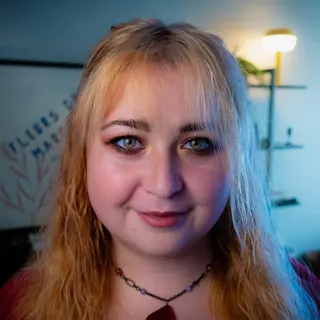
Portrait of Sophie Clark

Sophie Clark

Art, and English as a Foreign Language Specialist

London

£25.00 per hourDBS checkediAccepting enquiries
ArtArt and DesignFine ArtHistory of Art+1 more
  • Currently teaches Art, and English Language to students of all ages through personalised online lessons.
  • Holds a Bachelor of Arts in Fine Art, and a Diploma in Professional Art Studies from Central Saint Martins, University of the Arts London.
  • Over 8 years' of experience working in the world of Art, including roles at major museums and galleries in London.
  • Holds a TEFL certificate in teaching English as a foreign language from the World TEFL Institute.
  • Has experience teaching at a language school in Spain and online.
  • Skilled in practical Art techniques including painting, collage, printmaking, and ceramics.

Sophie Clark is a TEFL-certified english tutor and Art specialist offering online tutoring for KS3, GCSE and A Level, plus BA-level Art and Design. Central Saint Martins BA/Diploma; personalised lessons with optional homework and session reports.

Send a quick enquiry from here and the Latimer Tuition team will pass it on to Sophie.
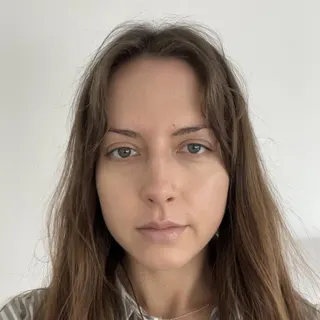
Portrait of Axenia Raulet

Axenia Raulet

MFL and Art Specialist

St Austell

£30.00 per hourDBS checkediAccepting enquiries
ArtFrenchGermanHistory of Art+1 more
  • Over 10 years' of experience in intercultural communication, art projects, and education.
  • Holds a Masters of Art in Didactics from Unibo, Bologna University, Italy.
  • Also holds a Bachelors of Art in Intercultural Mediation from La Sapienza University, Rome, Italy.
  • Currently pursuing a career as a professional artist.
  • Fluent in 8 European languages.
  • Adopts a trauma-informed approach to ensure a safe and respectful space for all students.

Axenia Raulet is a French tutor, Italian tutor and German tutor with 10+ years’ experience, a Master’s in Didactics (Unibo Bologna) and fluency in 8 European languages. She also teaches GCSE/A Level Art and History of Art with a trauma-informed approach.

Send a quick enquiry from here and the Latimer Tuition team will pass it on to Axenia.

Portrait of Jessica Page

Jessica Page

Qualified Art, Mathematics, and Photography Teacher

Hove

£60.00 per hourDBS checkediAccepting enquiriesQualified teacher
ArtArt and DesignBusiness StudiesFine Art+2 more
  • Jess has over 6 years' of tutoring experience and has run her own tutoring business for over 5 years'.
  • Holds a First Class Bachelor of Arts with Honours in Fine Art, from Kingston University London.
  • Holds a Level-7 in Further Education and Training PGCE Visual Arts from the University of Brighton.
  • Achieved a Distinction in her Level 3 Art Foundation Diploma.
  • Holds an A* for Art at A-Level.
  • Holds 2 A*s and 5 As at GCSE level.

Jessica Page is a qualified teacher and GCSE Maths tutor for KS3–GCSE, plus Art/Photography for KS3–A Level. First-Class Fine Art BA and PGCE Visual Arts, 6+ years’ experience, online tutoring or in person, including SEND; lesson reports included.

Send a quick enquiry from here and the Latimer Tuition team will pass it on to Jessica.

Portrait of Kalina Vasileva

Kalina Vasileva

English and TEFL Specialist

Glasgow, United Kingdom

£25.00 per hourDBS checkediAccepting enquiries
ArtEnglish LanguageEnglish LiteratureEnglish skills+1 more
  • Holds a Masters of Arts in English Language from the University of Glasgow (with 5 PGDE modules).
  • Holds over 10 years' of experience in English teaching.
  • Kalina has lived in the USA and UK for over 15 years' and has a neutral English accent.
  • Experienced in preparing students for IELTS, TOEFL, and Cambridge certifications.
  • Holds a TESOL professional certificate.

Kalina Vasileva is an English tutor and TEFL specialist with an MA in English Language (University of Glasgow) and a TESOL certificate, with 10+ years’ experience preparing learners for IELTS, TOEFL and Cambridge exams. Teaches ages 5+ to adults, incl. Business English.

Send a quick enquiry from here and the Latimer Tuition team will pass it on to Kalina.

Choose an Art tutor around the learner, not a label

The right Art tutor depends on what the learner is trying to do. A younger learner building drawing confidence needs something different from a GCSE student developing a sketchbook, an A-Level student sustaining an investigation, or an applicant preparing a digital portfolio.

Use the live profiles to compare practical specialisms, teaching background, assessment experience, feedback style, price and availability. A practising artist or subject specialist may be especially helpful for technique and critique; a qualified teacher may be valuable when school context and assessment familiarity matter. Neither background is automatically best for every learner.

  • Match the tutor to the learner’s age, level, qualification and current goal.
  • Check the tutor’s strongest media and practical pathways rather than assuming every profile covers all of Art and Design.
  • Ask how critique will help the learner make their own decisions instead of redesigning the work for them.
  • Use current profile prices, credentials and availability rather than relying on fixed page-level claims.

How to compare and contact Art tutors

Start with the profiles, then use the enquiry to test the details that matter for Art. Latimer’s current process lets families browse tutors, send a message, receive a direct introduction and, where useful, arrange a free introductory meeting before deciding whether to begin lessons. If the fit is not right, the family can keep comparing profiles.

A useful Art enquiry includes the learner’s age or level, qualification and awarding body where relevant, medium, current project or portfolio stage, deadlines, teacher feedback, confidence and the kind of support sought. That gives the tutor enough context to explain whether their experience and online working method fit the need.

  1. Compare profiles

    Check level, media, practical or teaching background, feedback style, live price and availability.

  2. Send a focused enquiry

    Share the learner’s goal, current work, qualification context, deadline and practical constraints.

  3. Speak directly

    Use the email introduction or introductory meeting to test fit, communication and expectations.

  4. Agree how lessons will work

    Confirm photographs or files, materials, lesson timing, independent work and how feedback will be given.

  5. Start or keep comparing

    Begin when the fit feels right; otherwise return to the Art tutor directory.

How to choose the right Art tutor

Compare tutor fit by the learner’s problem, not by one credential hierarchy. A profile should give enough evidence to ask better questions about the tutor’s subject level, media, practical experience, teaching background, assessment familiarity and approach to critique.

For assessed or application work, the most useful tutor is one who can strengthen the learner’s process while protecting ownership. Relevant SEND or confidence-support experience should only be relied on where the current profile states it and the tutor can explain how lessons would be adapted.

  • Ask which levels, qualifications and Art titles the tutor currently supports.
  • Ask how physical sketchbooks, larger work, three-dimensional pieces or digital files will be reviewed online.
  • Ask how feedback stays general enough for assessed work to remain authentic.
  • Check the current rate, availability, lesson length and expectations for independent work.
Practical specialist or practising artist
May suit technique, media exploration, visual development and critique. Check the specific media, recent practice and feedback approach.
Qualified teacher
May suit school context, curriculum familiarity and structured progression. Check the relevant age range, qualification and recent subject experience.
Assessment-experienced tutor
May suit understanding portfolio expectations, assessment objectives and controlled-work boundaries. Verify the exact board or qualification experience; do not infer examiner status.
Portfolio or digital-work specialist
May suit sequencing, documentation, scans, photography and digital presentation. The chosen course requirements and learner ownership still control.
SEND or confidence-support experience
May suit pacing, routines, communication and manageable critique. Check what the profile states and discuss adaptations directly.

Art tutor pricing, lesson length and flexibility

Latimer tutors set their own rates, so the live profile price is the most useful figure for an individual Art tutor. Latimer’s current general guidance places many student, graduate, teaching-assistant and full-time tutors in a usual £20–£30 hourly band, and many current or retired teachers, examiners and lecturers in a usual £25–£50 band. These are broad site-wide guides, not an Art tariff, and individual profiles can sit outside them.

Latimer currently describes lessons as pay-as-you-go rather than a required long-term package. Invoices are issued after lessons, card and bank-transfer payments are supported, and the service says it gives 48 hours’ notice before charging a saved card. The current FAQ says tutors generally use a 24-hour cancellation approach and that most lessons last between 45 minutes and two hours. Agree the duration with the tutor around age, concentration, practical work and critique needs.

“The price we present is the price you pay.” — Latimer Tuition

What sets the hourly price?
The tutor sets the rate. Background, experience, specialism and the live profile matter more than a page-level Art average.
Are there useful comparison bands?
Latimer publishes broad usual bands, but current Art profiles may sit outside them; compare the price shown on each live profile.
Is there a required package?
Current service information describes pay-as-you-go tuition rather than a compulsory long-term package.
How long is a lesson?
Agree the duration around the learner and task; current FAQs say most sessions last from 45 minutes to two hours.
What about cancellations?
The current FAQ uses a general 24-hour approach and notes that late cancellation or rescheduling may be at the tutor’s discretion.

Online Art lessons: what works well and where in-person helps

Online Art tutoring can be practical when the working method is clear. Photographs, scans, digital files and screen sharing can support sketchbook review, work-in-progress critique, portfolio discussion, contextual research, planning and demonstrations. It is not limited to digital Art: physical drawing, painting, print, textiles and three-dimensional work can also be discussed when images show the work clearly enough.

There are honest limits. A remote tutor cannot feel the paper, inspect every surface texture, mix paint on the learner’s palette or replace access to specialist studio equipment. In-person or group settings may be stronger when direct handling of materials is central. Latimer is online-first, so online comparison gives families a wider national choice; an in-person arrangement should only be mentioned where a real nearby tutor and learner both agree.

Online one-to-one
Strong for national tutor choice, critique, screen sharing, digital presentation and regular feedback. It needs clear images and cannot reproduce every tactile or studio interaction.
In-person or studio tuition
Strong for hands-on materials, specialist equipment and direct physical observation. Choice may be limited by location, schedule and local availability.
Group class
Strong for shared studio practice, demonstrations and peer energy. It offers less individual diagnosis and less time on one learner’s work.
Self-study and free resources
Useful for technique ideas, references and independent experimentation. They do not provide personalised diagnosis, critique or accountability.

What an online Art lesson can look like

A practical online lesson does not need to follow one fixed script. A useful example is to share the work and context beforehand, agree one concrete goal, review or demonstrate, and finish with a small number of learner-owned next actions.

The first discussion may cover level, medium, deadline, confidence, teacher feedback and the learner’s own goal. Teacher comments or assessment objectives can help identify a process gap, but the lesson should not become a search for exact mark-winning instructions. Independent making between sessions remains essential.

  • Share clear photographs, scans or digital files, plus the assignment brief or relevant teacher feedback.
  • Choose one specific goal, such as observational accuracy, composition, material choice, project development or an evidence gap.
  • Use screen sharing, camera views or separate demonstration material to discuss technique and decisions.
  • Finish with two or three tasks the learner will make, test, document or reflect on independently.
  1. Before the lesson

    Share clear images or files, the brief and any relevant feedback.

  2. Set one goal

    Choose a precise question: observational accuracy, composition, material choice, project development or an evidence gap.

  3. Review and demonstrate

    Zoom into details, compare versions, discuss decisions and model techniques on separate material.

  4. Agree next actions

    Record two or three tasks the learner will make, test, document or reflect on independently.

Tutor credentials, safeguarding and realistic expectations

Current profiles can help families compare degree subject, practical background, qualified-teacher status, school or assessment experience, stated SEND experience, price and availability. These details differ by tutor and should not be assumed across the whole shortlist.

Latimer’s safeguarding policy describes agreed online platforms, parent or carer awareness for younger learners, professional communication and clear expectations for camera use, chat, screen sharing and recording. Because role and legal eligibility matter, this page does not make a new blanket DBS claim; use the current profile information and safeguarding policy for the precise position.

A tutor can support understanding, technique, creative decision-making, confidence, planning and reflection. No tutor can guarantee a grade, portfolio acceptance, university admission or a particular creative outcome.

  • Compare the evidence on each current profile rather than assuming every tutor has the same credentials or specialisms.
  • Keep parents or carers appropriately aware for younger learners while allowing older students to build independence.
  • Use current policy and FAQ wording for safeguarding, lesson reports and operational details.
  • Treat realistic outcomes and learner ownership as trust signals, not small-print caveats.

What Art tutors can help learners develop

Art tutoring is most useful when it identifies where the creative process is getting stuck. England’s Art and Design curriculum emphasises creative work, ideas, drawing, painting, sculpture and other techniques, evaluation, and understanding artists, craft makers and designers. Later qualification frameworks make development, experimentation, recording, reflection and personal response increasingly explicit.

A useful broad pathway is to observe and record, learn techniques, explore materials, investigate artists and visual sources, develop ideas, experiment and refine, evaluate decisions, and produce a personal response. This is a practical synthesis rather than one universal UK specification.

  • Weak observational recording or low confidence in drawing.
  • Reluctance to experiment or refine after the first idea.
  • Artist research that sits separately from the learner’s practical decisions.
  • Sketchbook pages that record activity without showing development.
  • Unclear composition, material choices, reflection, annotation or personal response.
Observe and record
Drawing from observation, visual notes, photographs, studies and purposeful documentation.
Explore techniques and materials
Testing media, surfaces, processes and combinations rather than repeating one safe method.
Investigate visual sources
Using artists, designers and contexts to inform decisions rather than copying or adding detached research.
Develop and refine ideas
Trying alternatives, reviewing evidence, changing composition and making reasoned material choices.
Reflect and communicate
Explaining intentions, evaluating experiments and showing why the work changed.
Produce a personal response
Creating an outcome that visibly grows from the learner’s own investigation.

GCSE and A-Level Art support: what changes

This is a broad Art page, so learners should identify the exact qualification, awarding body, title and cohort before relying on detailed assessment advice. AQA provides a useful English-board example.

For AQA GCSE Art and Design, the current structure is a 60% portfolio and a 40% externally set assignment with 10 hours of supervised time. The four equally weighted objectives can be translated into practical questions: Are ideas developing? Has the learner experimented and refined? Is the process recorded? Does the final response follow meaningfully from the investigation?

For AQA A-Level Art and Design, the current structure is a 60% Personal Investigation and a 40% externally set assignment with 15 supervised hours. The Personal Investigation includes 1,000–3,000 words of continuous prose, so tutor fit may need deeper experience of sustained independent enquiry, contextual links, critical reflection and written-practical coherence.

Tutoring should build understanding and independence before supervised work. It must not intervene during unaided controlled time.

  • Plan around deadlines and the work cycle rather than relying on a conventional past-paper-only revision model.
  • Use teacher feedback, project stage and evidence gaps to decide the next useful lesson goal.
  • Treat AO1–AO4 as diagnostic questions, not instructions for a tutor to direct assessed changes.
  • Use the dedicated GCSE or A-Level page where the learner wants a level-specific shortlist.
AQA GCSE example
60% portfolio; 40% externally set assignment; 10 supervised hours. Support may focus on sustained project development, experimentation, recording and a meaningful personal response.
AQA A-Level example
60% Personal Investigation; 40% externally set assignment; 15 supervised hours; 1,000–3,000 words in the investigation. Support may focus on independent enquiry and written-practical connections.
Assessment objectives
AO1 develop; AO2 refine; AO3 record; AO4 present. Use them to diagnose process gaps while keeping all assessed choices and work the learner’s own.
Externally set work
Preparation is followed by unaided supervised time. Tutoring belongs before that controlled period, not inside it.

Art qualifications differ across the UK and by cohort

English GCSE and A-Level examples are not universal rules for Wales, Scotland, Northern Ireland or IB Visual Arts. Tell the tutor the qualification, awarding body, UK nation and assessment cohort before relying on exact component details.

In Wales, the Made-for-Wales GCSE Art and Design qualification began teaching from September 2025 and includes separate titles such as Art, Craft and Design, Fine Art, Textile Design, Graphic Communication, Three-Dimensional Design and Photography. Scottish learners should use qualification language such as National 5 and Higher; Qualifications Scotland replaced SQA on 1 February 2026, while some current course material may remain on former SQA-hosted pages during the transition.

Northern Ireland’s current statutory curriculum remains in force while Curriculum 2028 is a proposal under consultation, not current statutory content. Detailed CCEA assessment claims should come from the current CCEA specification.

IB Visual Arts is also changing: the previous course has its final assessment in 2026, while the revised course is first assessed in May 2027. The learner should tell the tutor which cohort they are in.

  • Name the qualification, awarding body or nation before discussing exact assessment structures.
  • Do not apply English GCSE or A-Level terminology to Scottish National 5 or Higher learners.
  • Do not treat a Northern Ireland consultation proposal as current law.
  • Do not publish one timeless IB Visual Arts assessment summary across both course versions.

Portfolio support without taking over the work

A tutor can teach, question, demonstrate on separate examples and give general critique. Assessed decisions and submitted work must remain the learner’s own. A tutor should not make the artwork, rewrite annotation, prescribe exact mark-winning changes, supply a finished composition or intervene in supervised assessment.

Legitimate portfolio support can include critique, reflection, documentation, sequencing, photography or scanning, presentation and discussion of creative decisions. UAL’s own portfolio advice describes a portfolio as evidence of development over time, including research, planning, techniques, experimentation and mistakes. Its guidance puts the principle simply: “we want to see you within the pages.” That is UAL-specific advice, not a universal admissions rule.

Current centre, subject and awarding-body rules control assessed work. Where computer-generated material is used, current JCQ guidance requires transparent provenance and authentication; that does not make generative AI acceptable in every Art component.

  • Use current school, centre, subject and awarding-body rules as the controlling standard.
  • Acknowledge sources and keep the learner’s thinking, decisions and practical work authentic.
  • Keep advice general enough for the learner to demonstrate initiative.
  • Use course-specific portfolio requirements rather than one universal application formula.

Different Art goals need different support

A useful Art tutor starts from the learner’s stage, goal and current work. The same teaching style will not suit every age, level or confidence level, and profile evidence should be used before assuming the tutor supports a particular pathway.

For younger learners, the emphasis may be confidence, core techniques and sketchbook habits. For qualification learners, the focus may move towards sustained development, assessment understanding and independent reflection. Applicants may need help presenting an authentic creative journey. Adults or self-directed learners may want technique, routine or critique, but current profile availability should be confirmed before assuming adult support.

  • Use one clear lesson goal and manageable feedback for learners who feel overwhelmed by critique.
  • Stretch high-achieving learners through deeper questions, selective experimentation and independent decisions rather than guaranteed grades.
  • Use parent awareness and useful lesson updates without making the learner dependent on adult direction.
  • Match the current profile to the learner’s age, level, medium and communication needs.
  • Younger or foundation-stage learner

    Drawing confidence, sketchbook habits, trying unfamiliar materials and learning to discuss visual decisions.

  • GCSE learner

    Board and title, portfolio stage, teacher feedback, deadlines and the weakest part of development, refinement, recording or response.

  • A-Level learner

    Sustained investigation, contextual links, purposeful experimentation, critical reflection and written-practical coherence.

  • Portfolio applicant

    Authentic development, documentation, sequencing, scans or photographs and course-specific presentation.

  • High-achieving or self-directed learner

    Deeper critique, conceptual direction, selective experimentation and independent decision-making.

  • Confidence-sensitive learner

    One clear goal, visual demonstration, predictable pacing, manageable critique and learner-owned next steps.

Home education, private candidates and access arrangements

Tutoring can support the learning, but it does not replace an exam centre. A private candidate taking an Art qualification with non-exam assessment needs an approved centre willing to accept the work and manage the required supervision, authentication, administration and marking. Centre processes, fees and internal deadlines vary, and a tutor cannot guarantee that a particular centre will accept the candidate’s work.

A tutor may adapt ordinary lessons through clearer visual instructions, chunked demonstrations, slower pacing, predictable routines, written follow-up and agreed breaks. Formal access arrangements are different: the school, exam centre or SENCo decides them using evidence of need and the learner’s normal way of working. A tutor cannot diagnose eligibility, arrange extra time or control the centre’s decision.

  • Secure an accepting centre early for qualification routes involving portfolio or non-exam assessment.
  • Confirm the centre’s supervision, authentication, submission and deadline requirements.
  • Check the current tutor profile for relevant SEND experience rather than assuming every Art tutor has it.
  • Keep lesson adaptations separate from formal exam arrangements.

How often should Art tutoring happen?

There is no evidence-based fixed number or universal frequency of Art lessons. The useful rhythm depends on the goal, deadline, portfolio stage, current skill and how much independent making can happen between sessions.

Regular critique may help a learner build routine and accountability. A short focused block may suit a defined portfolio or externally set assignment preparation period. Occasional specialist review may suit a self-directed learner. Free resources may be enough when the learner knows what to practise and can evaluate progress independently; tutoring adds most value when diagnosis, critique, planning or accountability is missing.

Art progress still requires the learner to make, test, document and refine work between lessons. Tuition cannot replace that practical time.

  • Plan around project and assessment deadlines rather than generic revision countdowns.
  • Use teacher feedback, project stage and process gaps as review checkpoints.
  • Agree preparation or independent work with the tutor rather than assuming a fixed homework amount.
  • Check the live profile for current evening, weekend, holiday or urgent-start availability.
Weekly or fortnightly critique
May suit learners building routine, receiving regular feedback and making substantial work between sessions.
Short focused block
May suit a defined portfolio, externally set assignment preparation period or application deadline.
Occasional specialist review
May suit self-directed or advanced learners seeking critique at key decision points.
Self-study first
May suit learners with a clear goal, suitable resources and enough independence to progress without regular diagnosis.

Where Art study can lead

Art develops sustained creative work, experimentation, evaluation, critical reflection and communication of visual ideas. These habits can support further creative study and practice, but they do not guarantee a course place or career.

The National Careers Service fine-artist profile gives one example of progression through university, college or self-teaching, with related study areas such as Art and Design, Fine Art, Visual Arts, Graphic Arts and printmaking. Portfolio-based applications remain course-specific: tutoring can support critique, documentation and presentation, but the applicant’s work and voice must stay authentic.

  • Further Art and Design study

    The learner may need a clear, authentic portfolio and course-specific evidence rather than one universal formula.

  • Fine-art and visual-practice routes

    Progression can include university, college or self-teaching; exact routes and expectations vary.

  • Transferable creative skills

    Experimentation, reflection, evaluation, visual communication and sustained independent work.

  • Portfolio-based applications

    Tutoring can support critique and presentation, but cannot guarantee acceptance or manufacture an applicant’s work.

Questions to ask before choosing an Art tutor

Use the introductory conversation to test fit, working method and boundaries. A strong answer should be specific to the learner and the tutor’s current profile rather than a generic promise to cover everything.

  • Which ages, levels, qualifications and Art titles do you currently support?
  • Which media or practical pathways are strongest in your own experience?
  • How will you review sketchbooks, physical pieces, digital work or larger work online?
  • How do you give critique while keeping creative decisions and assessed work mine?
  • What preparation or independent work do you normally expect between lessons?
  • How do you adapt pacing or communication where a learner needs additional support?
  • What is your current rate, availability and usual lesson length?
  • What should I share before an introductory meeting or first lesson?

Compare current Art tutor profiles

Profile price, availability, credentials and specialisms are tutor-specific and can change. Use the live Art shortlist to compare current information, then contact a tutor whose experience and working method fit the learner’s goal.

Support and clarity

Frequently asked questions

Straight answers to the questions people ask most often.

How do I choose the right Art tutor?

Match the profile to the learner’s level, medium, goal, assessment or portfolio context and preferred feedback style. Compare practical background, teaching or assessment experience, online working method, current price and availability. Use the introductory conversation to test fit rather than assuming one credential is always best.

Can Art tutoring work online?

Yes. Clear photographs, scans, screen sharing and digital files can support sketchbook review, work-in-progress critique, portfolio discussion, planning and demonstrations. Online tuition is not limited to digital Art, although it cannot reproduce every tactile or studio advantage of working with materials in person.

How much does an Art tutor cost?

Latimer tutors set their own rates, so the current profile price is the best figure for an individual tutor. Latimer’s present site-wide guidance gives broad usual bands of £20–£30 for many student, graduate, teaching-assistant and full-time tutors and £25–£50 for many current or retired teachers, examiners and lecturers, but these are not an Art tariff and live profiles can sit outside them.

Can I speak to a tutor before booking, and what if the fit is wrong?

Latimer’s current process allows direct contact and may include a free introductory meeting before lessons begin. It should not be described as a guaranteed free trial lesson. If the tutor does not feel right, the family can return to the directory and continue comparing profiles.

How do payment, cancellations and lesson length work?

Latimer currently describes tuition as pay-as-you-go, with invoices after lessons and card or bank-transfer payment. Its FAQ says tutors generally use a 24-hour cancellation approach and that most lessons last between 45 minutes and two hours. Agree the exact duration and cancellation expectations with the tutor before starting.

Can a tutor help with GCSE or A-Level assessed Art work?

Yes, within clear limits. A tutor may teach techniques, explain criteria, ask questions, demonstrate on separate examples and give general critique. The learner’s assessed decisions and submitted work must remain their own: the tutor should not make the artwork, rewrite annotation, prescribe exact mark-winning changes or intervene during supervised assessment.

What is different about GCSE and A-Level Art support?

Using AQA as a labelled example, GCSE has a 60% portfolio and a 40% externally set assignment with 10 supervised hours. A-Level has a 60% Personal Investigation, including 1,000–3,000 words of continuous prose, and a 40% externally set assignment with 15 supervised hours. A-Level therefore usually needs deeper independent investigation and stronger written-practical connections. Other boards and UK nations differ.

Can a tutor help with an Art school portfolio?

Yes, with critique, reflection, sequencing, documentation, scans or photography and presentation. Requirements differ by course, and all work must remain authentically the applicant’s. A tutor should help the learner communicate their development, not select or create work on the learner’s behalf.

Can home-educated or private candidates take Art qualifications with a tutor?

Tutoring can support the learning, but a qualification with Art non-exam assessment still needs an approved centre willing to accept and manage the work. The centre controls supervision, authentication, administration, marking, fees and internal deadlines, so a tutor cannot guarantee that a particular centre will accept the candidate.

Can an Art tutor help with SEND or access arrangements?

A tutor may adapt ordinary lessons through pacing, visual instructions, chunked demonstrations, routines and written follow-up where their experience fits. Formal access arrangements are decided by the school, exam centre or SENCo, not by the tutor.

Can I find an Art tutor near me?

Latimer is online-first. Online tutoring lets families compare suitable tutors nationally instead of being limited to local availability. In-person tuition should only be mentioned where a current tutor is genuinely nearby and both tutor and learner agree to the arrangement.

How many Art lessons will I need?

There is no evidence-based fixed number. It depends on the learner’s goal, deadline, current skill, portfolio stage, independent practice and whether the need is regular critique, a focused block or occasional specialist review.

Which qualification, nation or IB cohort should I tell the tutor about?

State the awarding body, qualification title, UK nation and assessment cohort before relying on exact component details. IB Visual Arts learners should identify whether they are in the course with final assessment in 2026 or the revised course first assessed in May 2027.

What can Art study lead to?

Art develops experimentation, reflection, evaluation, visual communication and sustained creative work. Progression can include further Art and Design study and creative practice, but tutoring cannot guarantee a course place, career or particular creative outcome.

Related tutor pages

Compare other tutor searches selected from the page's subject, subject family and level context.

GCSE tuition

GCSE Art tutor

Compare online one-to-one tutors for GCSE Art and Design, with support for sketchbooks, portfolio development, annotation, artist research and externally set assignment preparation.

A-Level tuition

A-Level Art Tutor

Compare online A-Level Art tutors for portfolio, sketchbook, coursework and exam support, with profile prices and reassuring guidance for parents.

A-Level tuition

A-Level Art and Design tutor

Compare one-to-one tutors for A-Level Art and Design, including online support for sketchbooks, portfolios, Personal Investigation planning, exam-board expectations and confident creative development.