
Building confidence with tricky Media Studies topics and knowledge gaps
GCSE tuition
Expert 1-to-1 GCSE Media Studies Tuition
We match your child with a vetted, UK-based Media Studies specialist. Boost confidence and exam grades with zero contracts or sign-up fees.
Takes 60 seconds • No payment required • No long-term contracts
- 1 GCSE Media Studies tutors
- Rated Excellent on Trustpilot
- DBS-checked tutors
- Pay-as-you-go
- 5000+ happy clients
Tailored tutor matching
What our Media Studies tutors help with:
Improving exam technique, past-paper strategy, and mark-scheme confidence
Creating a clear revision plan around your child's timetable and goals
Tailored to AQA, Edexcel, OCR, and more.
Available tutors
Meet a few of our high-performing Media Studies specialists.
Showing 1 matching tutor.

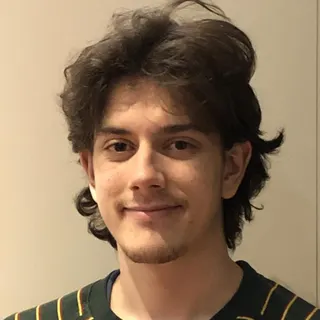
Alfie Morris
Humanieis, Media, and Music Specialist
Bristol
- Holds over 5 year's of tutoring experience.
- Holds a 2:1 Bachelor's degree in Philosophy & Religion.
- Holds Distinction in a Media & Film Diploma.
Alfie Morris is a private tutor for GCSE to A Level Philosophy, Religious Studies, Media Studies and Music, plus guitar lessons, with online tutoring available. He has 5+ years’ experience, a 2:1 BA in Philosophy & Religion, and a Media & Film diploma.
Send a quick enquiry from here and the Latimer Tuition team will pass it on to Alfie.
Why choose Latimer for GCSE Media Studies?
GCSE Media Studies tutoring works best when it is specific to the subject, not treated as generic essay help. A good tutor can help your child connect media language, representation, industries and audiences with clear exam answers and responsible production planning. Latimer is designed around tutor comparison: you can look at profiles, prices, availability and teaching backgrounds before deciding who to contact.
- One-to-one support can target the exact mix your child needs: theory, terminology, analysis, set products, exam timing or production planning.
- Tutor profiles help you compare practical fit before you enquire, including teaching style, price, availability and relevant experience where listed.
- The page keeps Media Studies precise, while still using natural parent language such as GCSE Media tutor, tuition, Year 10, Year 11 and KS4 where helpful.
- Best fit for
- Families who want subject-specific GCSE Media Studies support, not a generic revision page.
- Use school details
- Mention the exam board, current products or topics, NEA status, mock results and any confidence concerns when you enquire.
- Outcome promise
- Tutoring can support understanding, confidence, revision habits and exam technique, but no tutor can guarantee a grade.
How to compare tutors and start lessons
Start with the filtered tutor list, then narrow your choice by the details that matter most for GCSE Media Studies: exam board, topic confidence, NEA timing, price, availability and teaching style. Latimer supports direct tutor contact, so you can ask practical questions before agreeing lessons.
- Include the exam board if known, such as AQA or Eduqas/WJEC, because set products, assessment choices and NEA details vary.
- Tell the tutor whether your child needs exam technique, terminology, mock review, confidence, production planning or a structured revision routine.
- If you are unsure who to choose, contact Latimer with the subject, level, board, budget, schedule and the kind of support your child needs.
- 1. Compare profiles
- Filter by subject and GCSE level, then review the tutor’s profile, price, availability and relevant background.
- 2. Send an enquiry
- Explain the student’s year group, exam board, goals, deadlines and preferred lesson times.
- 3. Discuss fit
- Ask how the tutor would diagnose weak areas and structure the first few lessons.
- 4. Arrange lessons
- Agree timing, online platform and expectations for homework or parent updates.
- 5. Review progress
- Use lesson feedback, mock evidence and confidence changes to adjust the plan.
Pricing, tutor types and what affects fit
Latimer tutors set their own hourly rates, so the individual tutor profile is the best place to check the current price. Latimer’s own pricing wording is simple: “The price we present is the price you pay.” Use broad tutor-type bands as guidance, then decide what level of experience your child actually needs.
- A recent high-achieving student or graduate may be a good fit for confidence, accountability and relatable explanation.
- A qualified teacher, examiner or lecturer may be useful when the priority is exam-board experience, assessment language or a complex learning situation.
- The most expensive tutor is not automatically the best fit; exam-board familiarity, communication style and availability matter just as much.
- Current profile price
- Check the tutor card first. Subject-specific Media Studies rates should come from live profiles, not a general estimate.
- Broad Latimer guidance
- Latimer’s how-it-works page lists £20–£30 per hour for A-Level students or graduates, university students or graduates, teaching assistants and full-time tutors.
- Teacher or examiner background
- Latimer’s broad guidance lists £25–£50 per hour for current or retired teachers, examiners and lecturers.
- Payment and billing
- Latimer describes pay-as-you-go tuition, invoicing after lessons and payment by card or bank transfer.
Online lessons, near-me intent and other ways to get support
Many families search for a tutor near them, but online tutoring lets you compare suitable GCSE Media Studies tutors nationally rather than being limited to local availability. That can work well for this subject because lessons often involve close discussion of media products, shared notes, exam questions, planning grids and feedback on written analysis.
- Latimer describes Microsoft Teams as the default online lesson platform, while tutor and family may agree another platform such as Google Meet or Zoom.
- A tutor can share permitted materials, discuss interpretations, model answer planning and review written work using shared documents or screen sharing.
- Do not assume in-person coverage in every town; use online comparison first, then discuss any location-specific need directly with the tutor or Latimer.
- Online one-to-one tuition
- Best when you want a wider tutor choice, flexible scheduling and subject-specific support from home.
- Local in-person tuition
- Can suit students who strongly prefer face-to-face learning, but availability may be narrower for a specialist GCSE subject.
- Group revision course
- Can provide structure close to exams, but usually offers less diagnosis and less individual feedback.
- School support and free resources
- Useful for consolidation, but may not give enough personalised feedback when a student is stuck.
Credentials, DBS checks and realistic outcomes
Tutor credentials matter, but they are not all the same. A strong GCSE Media Studies tutor might be a qualified teacher, examiner, subject graduate, experienced tutor or someone with a strong media-related background. Latimer’s FAQs state: “All Latimer Tuition tutors are DBS checked.” The safer approach is to use the tutor profile and your first message to confirm the exact experience you want.
- Look for profile evidence of GCSE Media Studies, media theory, essay feedback, exam technique, production planning or relevant school experience.
- Ask how the tutor handles age-appropriate media examples and parent communication, especially where topics could be sensitive.
- Treat grade claims carefully: the goal is better understanding, confidence and exam technique, not a guaranteed result.
- Profile signals
- Subject background, teaching experience, qualified teacher status, examiner experience, DBS status, SEND-aware experience and lesson style.
- Safety signal
- Latimer links DBS and online lesson safety information in its FAQs and Enhanced DBS page.
- Realistic outcome
- A tutor can help the student work more clearly and consistently, but the final grade depends on many factors.
What GCSE Media Studies tutoring can cover
GCSE Media Studies is built around the way media texts create meaning and influence audiences. The AQA specification describes four key areas: media language, representations, media industries and audiences. A tutor can use those areas to diagnose where a student is struggling and build a clearer revision plan.
- The subject covers a range of media forms, including audio-visual, print and online or participatory media.
- For AQA, film is treated as part of wider media study rather than as the main subject identity, so Media Studies is not the same as Film Studies.
- Good tutoring should connect terminology with real examples, not leave students memorising definitions they cannot apply.
- Media language
- How layout, camera, editing, sound, image, design and codes create meaning.
- Representation
- How people, places, events and ideas are constructed and why those choices matter.
- Industries
- How media products are made, distributed, regulated and monetised.
- Audiences
- How audiences are targeted, positioned, interpreted and measured.
- Production choices
- How a student plans a product for an intended audience while keeping the work their own.
Exam boards, assessment and NEA support
Exam-board awareness matters in GCSE Media Studies. As one concrete example, AQA Media Studies is linear and uses two written papers plus non-exam assessment. Eduqas/WJEC also frames the subject around a theoretical framework and rich media products, but specification choices, options and annual materials differ. A tutor should align support with the student’s school specification rather than teaching from a stale set of products.
- For AQA, Media One is 35%, Media Two is 35% and the NEA is 30% of the GCSE.
- AQA Close Study Products are published before the course starts and reviewed annually, so hard-coded product lists can date quickly.
- NEA support should focus on understanding, planning, reflection and revision habits, not producing assessed work for the student.
- AQA example
- Media One: 1 hour 30 minutes, 84 marks, 35%. Media Two: 1 hour 30 minutes, 84 marks, 35%. NEA: 60 marks, 30%.
- AQA skill mix
- AQA assessment objective weightings are 30% knowledge and understanding, 40% analysis and judgement, and 30% creation for an intended audience.
- Eduqas/WJEC
- Eduqas highlights the theoretical framework, rich media products and options for production and set products/texts.
- Annual freshness
- Set products, NEA briefs and operational dates may change, so final planning should use the current school or board information.
Exam technique, weak areas and mock review
Media Studies students can know the product but still lose marks if they do not answer the question, use terminology precisely or explain the effect of a media choice. A tutor can turn a vague concern such as “I do not know what to write” into a more useful diagnosis.
- Weak areas often include precise terminology, applying the theoretical framework, comparing products, audience and industry context, unseen analysis and extended responses.
- Mock review should look beyond the grade: timing, command words, missing terminology, unsupported points and confidence patterns are all useful clues.
- Past-paper work is most valuable when the tutor helps the student mark, reflect and change their next answer, not just complete another paper.
- Command words
- Practise turning words such as analyse, compare and explain into a clear answer plan.
- Mark-scheme language
- Use assessment objectives to understand what stronger analysis and judgement look like.
- Mock review
- Break down component gaps, timing issues, terminology, source handling and confidence triggers.
- Next steps
- Agree one content target, one technique target and one independent practice task after each review.
Ready to compare GCSE Media Studies tutors?
Start with the filtered tutor list, or contact Latimer with your child’s exam board, year group, goals, budget, availability and any learning needs. If the filtered list is thin, tutor matching is a safer next step than assuming local or subject-specific availability that has not been confirmed.
Support and clarity
Frequently asked questions
Straight answers to the questions people ask most often.
How do I find a GCSE Media Studies tutor at Latimer?
Use the filtered tutor list to compare profiles for GCSE Media Studies at GCSE level. Look at the tutor’s price, availability, teaching background and profile details, then message a tutor directly. If you are unsure who fits best, contact Latimer with the exam board, year group, goals, budget, schedule and support needs so the team can help you shortlist suitable options.
How much does a GCSE Media Studies tutor cost?
Tutor prices vary because Latimer tutors set their own rates. Latimer’s general guidance lists £20–£30 per hour for some student, graduate, teaching-assistant and full-time tutor profiles, and £25–£50 per hour for current or retired teachers, examiners and lecturers. Treat those as broad platform guidance, not a Media Studies-specific price promise, and check the live tutor card before enquiring.
Can a tutor help with GCSE Media Studies NEA or coursework?
Yes, but only within ethical boundaries. A tutor can help a student understand the brief, plan their time, discuss relevant theory, practise skills, reflect on feedback and prepare for the examined parts of the course. They should not write the NEA, correct the final assessed work, provide a template answer or tell the student exactly what to submit.
Do GCSE Media Studies tutors support AQA and Eduqas/WJEC?
Many GCSE Media Studies students follow AQA or Eduqas/WJEC specifications, and those specifications can differ in set products, production choices, dates and assessment details. When enquiring, tell the tutor the exam board if known and ask how they would align lessons with your child’s school specification.
Is online tutoring suitable for GCSE Media Studies?
Online tutoring can work well for GCSE Media Studies because much of the subject involves looking closely at media products, discussing interpretation, planning written responses and reviewing work. Shared documents, screen sharing and online whiteboards can support analysis and feedback, while online tutor choice may be wider than local in-person availability.
What happens in the first GCSE Media Studies lesson?
A useful first lesson usually confirms the exam board, current topics or set products, NEA stage, target grade, recent mock evidence, confidence level and preferred learning style. The tutor may then use a short analysis task or exam-style question to diagnose whether the main need is knowledge, terminology, analysis, timing, planning or confidence.
How often should my child have GCSE Media Studies tuition?
It depends on the starting point and deadline. Fortnightly support may suit a student who is mostly on track and needs occasional feedback. Weekly lessons often work better for a student who needs regular accountability, mock review or exam-technique practice. Short-term extra lessons can help around mocks, Easter revision or NEA deadlines, but they are not a guaranteed substitute for steady independent work.
Can a tutor help if my child is anxious about Media Studies exams?
A tutor can make revision feel less overwhelming by setting manageable goals, using low-stakes practice, explaining command words and building a clearer routine. Tutoring should not be presented as mental-health treatment, so serious distress should also involve appropriate school, pastoral or wellbeing support.
Can tutors support students with access arrangements?
A tutor can adapt lessons around the student’s learning routine and existing needs, such as practising with extra processing time or planning more structured revision. Official access arrangements are managed by schools or exam centres under the relevant assessment framework, so a tutor cannot arrange extra time or other formal adjustments directly.
Can a homeschool, external-candidate or adult learner get GCSE Media Studies tutoring?
Tutoring may help with independent study, but exam entry and NEA arrangements need early checking. AQA GCSE Media Studies 8572 is not available to private candidates. Eduqas private candidates need an approved centre willing to handle the exams and any non-exam assessment. That makes board and centre choice especially important for external candidates.
Is GCSE Media Studies the same as Film Studies or just “Media”?
No. Media Studies is broader than Film Studies and should not be reduced to general media production. GCSE Media Studies covers areas such as media language, representation, industries and audiences across different media forms. Film may appear within wider media study, but it is not the whole subject.
What does a GCSE Media Studies tutor do that free resources cannot?
Free videos, revision guides and exam-board materials can be useful, especially for independent students. A tutor adds diagnosis, live questioning, feedback, accountability and ethical guidance around assessed work. That is most valuable when the student is unsure why answers are not improving or needs help turning revision into better exam responses.
Can we change tutor if the fit is not right?
Latimer’s process is designed around profile comparison and direct contact before regular lessons begin. If a tutor is not the right fit, contact Latimer with the reason and the support needed, so the team can advise on next steps or help you look for a better match. Check the current FAQs for payment, cancellation and rescheduling details before booking.
Related tutor pages
Explore similar tutor searches
Continue comparing nearby subjects and levels so you can find the right tutor fit for your next step.
GCSE Sociology tutor
Compare online GCSE Sociology tutors by subject fit, price, availability and credentials, then use a free introductory conversation to check the right match for your child.
Find a GCSE History tutor who fits your exam board
Compare online GCSE History tutors by topic knowledge, teaching background, price and availability. Send the tutor your child’s board, topics and goals, then use the intro conversation to check fit before starting lessons.
GCSE Geography tutor support that fits your exam board
Compare one-to-one Geography tutors for board-aware help with case studies, fieldwork, map and data questions, mocks and GCSE exam technique.
GCSE Design and Technology tutor
Compare tutors who can support written-paper technique, design thinking, NEA organisation and confident online learning without crossing assessed-work boundaries.