One-to-one piano tuition

Find a Grade 3 piano tutor

Work on fluent playing, prepare for a Practical or Performance exam, or connect music theory with the keyboard. Choose lessons around the learner’s board, current playing and musical goals.

  • One-to-one tuition
  • Pay as you go
  • Direct tutor contact
A useful Grade 3 lesson plan identifies what is holding the playing back: uneven scale changes, a melody lost beneath the accompaniment, hesitant reading or an unreliable performance. Share the music already being studied and any exam plans so the tutor can focus on the next improvement.

The form controls become available when the enquiry form has loaded.

Grade 3 Piano tuition enquiry

Tell us what you know, skip anything you’re unsure about, and add a short description if you skip both subject and level.

  1. Tutoring brief
  2. Contact details

Final question

Contact details

Where should we send tutor options?

We’ll reply by email. Mobile is an optional fallback only.

Your tutoring brief

Subject
Piano
Level
Grade 3

Free matching request skip anything you’re unsure about pay as you go when lessons begin.

We use your contact details to reply to this enquiry. See our Privacy Policy for other uses.

How one-to-one tuition can help

  • Smoothing scale changes and balancing melody with accompaniment
  • Preparing the pieces and supporting skills for the chosen board and route
  • Turning lesson feedback into a small, specific home-practice task

Tell the tutor whether you are following ABRSM, Trinity or another board, and which exam format you intend to take.

Available tutors

Compare Grade 3 piano tutor profiles

4 tutor profiles selected

Look for an approach suited to the learner’s age, board and musical interests. Use an introductory conversation to discuss the current repertoire and what a first lesson would assess.

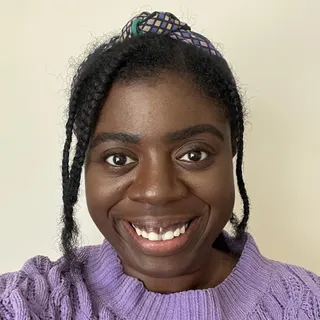
Portrait of Stacy Jarvis

Stacy Jarvis

Music and Russian Specialist

Manchester, United Kingdom

£35.00 per hourDBS checkediAccepting enquiries
MusicMusic PerformanceMusic TheoryPiano+2 more
  • She currently teaches Music at a primary school and provides private Violin lessons to a diverse range of students, including children with SEN.
  • Holds a Masters degree in Musicology from the University of Manchester.
  • Currently studying for her Doctorate of Music at the University of Birmingham, focusing on the conceptualisation of artistic ideas in nocturnes.
  • Holds a Bachelors degree in Violin Performance from the Royal Northern College of Music.
  • Has extensive experience teaching violin and piano to students of all ages, from Year 1 primary students to adult learners.

Stacy Jarvis is a music educator and violinist who teaches Music, Violin, Piano and Music Theory from KS2 to A-Level, with experience supporting children with SEN and adult learners.

Send a quick enquiry from here and the Latimer Tuition team will pass it on to Stacy.

Portrait of Simon OKeeffe

Simon OKeeffe

Music and Music Performance Specialist

london, United Kingdom

£40.00 per hourDBS checkediAccepting enquiries
ABRSMGCSE (general)GuitarMusic Performance+4 more
  • Simon has over 12 years' of experience as a music educator across primary and secondary schools in addition to further education.
  • Holds a Bachelor of Arts (Hons) in Music (Guitar Institute).
  • Holds a Master of Arts in Record Production and Distribution (University of West London).
  • Professional background as a musician, producer, arranger, and musical director.

Music educator with 12+ years’ experience offering private lessons as a guitar tutor and piano tutor, plus drums and music theory. Supports GCSE, A Level and university music performance and music technology, with lesson reports and optional homework.

Send a quick enquiry from here and the Latimer Tuition team will pass it on to Simon.

Portrait of Abigail Ajala

Abigail Ajala

Music, and Musical Instrument Specialist

Rushmere St Andrew, United Kingdom

£45.00 per hourDBS checkediAccepting enquiries
GuitarMusicMusic PerformanceMusic Technology+2 more
  • Over 11 years' of Music teaching experience.
  • Holds a Bachelor of Arts in Commercial Music.
  • Has been the vocal coach for the Stagecoach Performing Arts School (Ipswich).
  • Teaches guitar, ukulele, piano (up to intermediate), vocals, and music theory.

Abigail Ajala is a guitar tutor with 11+ years’ teaching experience, BA in Commercial Music, and Stagecoach Performing Arts (Ipswich) vocal coach. She is also a piano tutor (to intermediate) teaching ukulele and music theory for ages 4+, KS1–3, GCSE and A Level; online and Suffolk-based.

Send a quick enquiry from here and the Latimer Tuition team will pass it on to Abigail.

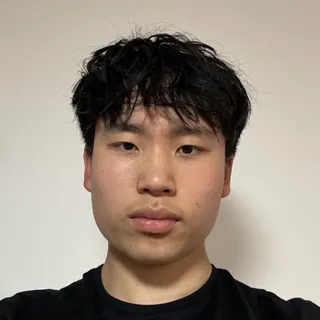
Portrait of Wenyu Boris Xie

Wenyu Boris Xie

Mathematics, Physics, and Geography Specialist

London

£30.00 per hourDBS checkediAccepting enquiries
11+ (general)BiologyChemistryCreative Writing+8 more
  • Wenyu holds over 3 years' of teaching experience.
  • Currently studying for his Bachelors of Engineering in Civil Engineering at the University of Bristol.
  • Holds A*, A for Physics and Mathematics at A-Level.
  • Holds 5 A*s for Mathematics, Physics, Biology, Chemistry, and Geography at GCSE-level.
  • Holds an ARSM Diploma in Violin Peformance and ABRSM Grade 8 in Piano Peformance.

Maths and physics tutor for KS2–A Level, plus GCSE Geography and 11+/13+. Civil Engineering MEng student at the University of Bristol with 3+ years’ teaching experience, offering tailored lessons with session reports and optional homework.

Send a quick enquiry from here and the Latimer Tuition team will pass it on to Wenyu.

Choose the board and the kind of Grade 3 exam

Grade 3 piano preparation depends on the board and exam format. Tell the tutor which route you intend to take before choosing pieces or dividing practice time. If you are unsure, discuss whether you want an exam that assesses supporting skills as well as pieces, a programme-focused assessment, or lessons without an exam.

The ABRSM piano examples here use its 2025–2026 syllabuses. For a later exam date, confirm the applicable edition and any overlap arrangements with the board before buying music or choosing a programme.

ABRSM Practical Grade 3
In a face-to-face exam, play three pieces, one from each of lists A, B and C, plus scales and arpeggios, sight-reading and aural tests. The lesson plan needs room for all of these components, including work that cannot be learned simply by repeating the set pieces.
ABRSM Performance Grade 3
Prepare four pieces as one continuous video performance, including at least one piece from each of lists A, B and C. The fourth can be another listed piece or a suitable own-choice piece. There are no separate supporting tests, so preparation focuses on musical control across the whole programme as well as each piece.
Trinity face-to-face Grade 3
Prepare three pieces and technical work, then choose two supporting tests from sight-reading, aural, improvisation and musical knowledge. Both sight-reading and aural are therefore not compulsory together at this grade. Tell the tutor which two options you intend to prepare.
Trinity digital Grade 3
Choose the Technical Work pathway with three pieces and technical work, or the Repertoire-only pathway with four pieces. Neither includes the face-to-face supporting tests. Use Trinity’s requirements for the selected pathway when deciding how to divide lesson time.


Make the scale change sound as even as the easy notes

The ABRSM Piano Practical syllabus for 2025–2026 includes D major scales over two octaves, hands together, from memory. The notes are D–E–F♯–G–A–B–C♯–D, repeated into the next octave before descending. Knowing the two sharps is only part of the task: both hands need to keep an even sound and pulse through their finger changes.

Here is a practice example. Suppose the right hand pauses between F♯ and G when the thumb moves underneath. With the tutor’s agreed fingering, play E–F♯–G–A slowly in the right hand alone. Listen for four evenly spaced notes, with no extra accent on G. Repeat that small group, then put it back into the full scale before adding the left hand at a manageable speed.

A useful improvement is that the listener can no longer hear where the thumb moved. Playing the passage faster while keeping the same gap has not solved the problem. This is an illustrative practice task, not a substitute for the complete scale and arpeggio requirements of the chosen board.

Read the rhythm, then listen beyond the notes

ABRSM Grade 3 piano sight-reading can introduce 3/8 time, simple semiquavers, two-note chords and movement beyond a five-finger position. Preparation should include unfamiliar short music so reading does not become another memory exercise. The following are constructed practice examples, not exam questions.

  • Keep the short notes inside the pulse

    Try a 3/8 bar containing a quaver, two semiquavers, then a quaver. Count slowly “1, 2-and, 3”: the two semiquavers share the middle quaver pulse. If every note receives a full count, the bar grows too long. Clap the rhythm, then play it on one piano note; the final quaver should still arrive on 3.

  • Let the melody remain audible

    Trinity’s Grade 3 technical work includes tone and balance exercises. For a practice example, choose a right-hand tune with left-hand accompaniment. If the tune disappears when both hands play, first sing or play the melody alone, then add a quieter left hand. Record a short attempt and listen for the melody remaining clear through the phrase.

  • Describe a change you actually hear

    During listening practice, use a short passage that changes from quiet to loud. Describe where the change occurs and whether it is sudden or gradual. “It gets gradually louder towards the end” gives a specific musical observation; “it sounds different” does not yet name what changed.

Use Grade 3 theory to explain what the hands are playing

ABRSM Grade 3 Music Theory is a separate assessment from Grade 3 Piano. Its content includes compound time and major and minor keys with up to four sharps or flats. Theory work can also be included in piano lessons to make notation, rhythm and key patterns easier to understand.

For a compound-time example, take a 6/8 bar with three quavers followed by a dotted crotchet. The first three quavers form one main beat; the dotted crotchet fills the second. Count “1-la-li, 2-la-li”, holding the dotted crotchet through the whole second group. The misconception is to give the bar six equally strong beats. Clap two steady main beats, then play the written rhythm on one note and keep those two beats underneath it.

The better result is a clear two-beat shape with each beat divided into three. This is a Grade 3 Theory illustration: 6/8 is introduced later, at Grade 4, in ABRSM’s piano sight-reading progression. If a separate Theory exam is the goal, name it in the enquiry so the tutor can plan that syllabus alongside the playing.

Practise the change between pieces as well as the pieces

For the Performance route, a piece-by-piece run-through can hide a problem that appears only in the complete programme. Try this practice scenario: a brisk dance is followed by a slower, singing melody. The first piece goes well, but the second begins at the dance’s pace because the player has carried that pulse straight across.

Practise the final two bars of the first piece, release its last sound, then silently establish the second piece’s opening pulse before playing its first phrase. Listen for a settled start at the intended speed and volume. Next, include the transition in an uninterrupted programme run so the learner can maintain that control without stopping for a tutor’s prompt.

This is a suggested rehearsal task, not a prescribed exam sequence. It develops the continuity needed for a complete performance without encouraging the learner to rush from one piece into the next.

Build practice around a change the learner can hear

Agree lesson frequency around the learner’s starting point, attention and access to a piano. Between lessons, a short task with a clear listening target gives the learner something to repeat accurately. This example cycle can be adapted to the chosen exam route or to learning without an exam.

  1. Hear the starting point

    Play a current piece and some technical work for the tutor. For a Practical route, include unfamiliar reading and listening work too. Identify the passage or skill that needs attention, rather than treating finishing an exam book as proof of readiness.

  2. Work on one defined correction

    Use a task such as smoothing the D-major thumb passage above. Start slowly enough to keep the notes even. After the isolated task succeeds, return to the surrounding music to check that the improvement survives in context.

  3. Keep a small practice record

    Write the passage, the agreed fingering or counting, and what to listen for. At the next lesson, demonstrate it before the tutor prompts the correction. This helps distinguish remembering an instruction from being able to use it independently.

  4. Test the whole musical task

    As an exam approaches, try the full set of components for the chosen route. For a performance programme, include transitions between pieces and recovery after a slip. Use the result to choose the next task and discuss an exam date, rather than promising a pass after a fixed number of lessons.

Choose a tutor who can explain the next change

Use the free introductory meeting to discuss the learner’s goals, the tutor’s approach and lesson arrangements. It is a conversation before paid lessons, rather than a full free teaching lesson. Describe a real difficulty, such as the left hand covering the tune or losing the beat at a hand-position change. Ask what the tutor would listen for first and how they would break that difficulty into manageable practice.

For a child, agree a task the child can explain back in their own words, so a parent can help them remember it without having to teach piano. For an adult returning after a break, discuss comfortable repertoire and rusty reading separately. Mention any need for larger notation, slower demonstrations or fewer instructions at once; agree the adaptation with the individual tutor.

  • Check the tutor’s familiarity with the exact syllabus and exam format you plan to use.
  • Discuss repertoire the learner enjoys as well as set pieces, and how both will serve the technical goal.
  • Agree what feedback you want after a lesson, including the passage to practise and what to listen for.

Prepare the piano and camera for online lessons

Latimer’s service is online-first and one-to-one. Before the first lesson, place the camera where the tutor can see both hands and the keyboard, and test whether quiet and loud playing can both be heard clearly. Keep the score within reach and have the relevant edition ready to identify. A brief test with the tutor is more useful than buying extra equipment before you know what is needed.

Microsoft Teams is the default lesson platform; another platform can be agreed with the tutor. If you need in-person tuition, discuss that arrangement individually. Tell the tutor what instrument you have and when it is accessible between lessons, since the home-practice plan needs to be possible on that instrument.

Arrange lessons and a budget you can sustain

Each tutor sets their own rate, shown on their profile. Latimer uses pay-as-you-go lesson billing. Compare the proposed lesson length and frequency alongside the rate, and discuss any music books or exam-entry costs before committing to a preparation timetable.

  1. Describe the starting point

    Send the learner’s age, current pieces, board and route if known, instrument access and preferred lesson times. Include a budget and the part of playing they most want to improve.

  2. Discuss the first teaching priorities

    At the introductory meeting, agree how the tutor will assess the starting point in paid lessons. Ask what can be practised independently and whether a parent needs to help with setup or reminders.

  3. Review what has changed

    Choose a review point with the tutor. Return to the original passage or skill and listen for the agreed improvement before adding more lesson time or a new exam target.

Support and clarity

Frequently asked questions

Straight answers to the questions people ask most often.

Must I pass Grade 2 before taking Grade 3 piano?

No previous grade pass is required for ABRSM Grade 3 Piano Practical or Performance. Trinity graded music exams also have no formal entry prerequisites. That allows a learner to enter at a suitable level, but does not establish readiness. Ask the tutor to hear current pieces and assess the other skills needed for the chosen route before deciding whether Grade 3 is the right next step.

How long does it take to prepare for Grade 3 piano?

There is no reliable lesson count that applies to every learner. Bring current pieces and explain how often the piano is accessible. The tutor can then assess the starting point across the skills your chosen route needs. Agree an initial plan and a review point; set an exam target after the learner can demonstrate those skills consistently.

What piano or keyboard do I need for lessons?

Tell the tutor what instrument you have and when you can practise on it. Exam rules differ: ABRSM Piano Performance permits suitable digital pianos with full-size weighted, touch-sensitive keys and the range and facilities the music needs. Trinity digital piano allows touch-sensitive electronic keyboards through Grade 3 if they meet every demand of the pieces. Neither route permits changing the music to fit the keyboard. Check the piano sound, key range and any required pedal before buying equipment or preparing a recording.

Can lessons follow Grade 3-standard music without an exam?

Yes. Make that the goal in the enquiry. Lessons can use repertoire at a suitable level to work on fluency, interpretation, technique, reading and listening without setting an exam date. Progress might mean playing a chosen piece comfortably for friends or learning unfamiliar music more independently. Discuss the next level when it serves those musical goals.

Who books the exam and handles a performance recording?

Agree that responsibility with the tutor before setting a deadline. Confirm who will make the entry, pay the exam fee, check the syllabus edition and obtain the required music. For a recorded route, also agree who will check the recording instructions and submit the file. ABRSM Performance recordings for under-18s must be overseen by an adult. Include any access needs early so the relevant board’s arrangements can be checked.

How can I support my child if I do not play piano?

Ask for a practice note your child can explain: which passage, how to begin and what to listen for. You can help make the piano accessible, remember the task and listen to the result. For example, ask whether the scale stayed even at the finger change. Leave decisions about fingering and technique with the tutor, and report if the instruction is unclear or practice is causing frustration.

Further information

Useful links and resources

Related tutor pages

Explore related tuition options and guidance for choosing the right support.