
One-to-one online tuition

Online Bengali tutors

Learn to use Bengali in conversation, build reading and writing skills, or prepare for an exam. Find one-to-one online help around what you already know and what you want to do next.

  • One-to-one tuition
  • Pay as you go
  • Direct tutor contact
Tell us your starting point in speaking, listening, reading and writing. Whether you are beginning from scratch, developing the Bengali you use with family or working towards a qualification, the lesson goal should be clear enough to practise and review.

The form controls become available when the enquiry form has loaded.

Online Bengali Tutors tuition enquiry

Tell us what you know, skip anything you’re unsure about, and add a short description if you skip both subject and level.

  1. Tutoring brief
  2. Contact details

2 questions remaining

Tutoring brief

What level is the tuition for?

Choose a level

Choose a suggestion or type your own answer. You can skip this if you’re unsure.

This form works best for one learner at one level and up to six subjects. If your circumstances are more complicated, email us at Contact@LatimerTuition.com so you can explain everything properly.

How one-to-one tuition can help

  • Build replies you can form yourself in Bengali
  • Connect spoken Bengali with reading and writing
  • Practise the tasks for your named Bengali qualification

Available tutors

Explore Bengali tutor profiles

Compare the teaching approach and experience described in each profile, then discuss how online lessons would fit your Bengali goals.

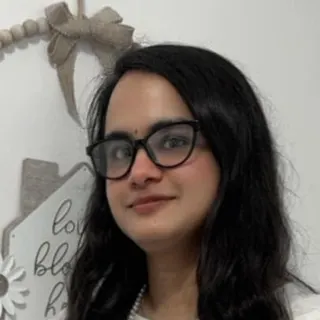
Portrait of Habiba Nasrin

Habiba Nasrin

Bengali Specialist

Chelmsford, United Kingdom

£25.00 per hourDBS checkediAccepting enquiries
Bengali
  • Habiba has over 9 years' of experience working as an online tutor.
  • She holds over 2 years' of experience working as a Lecturer of Bengali Language & Literature in a college.
  • Holds a Masters of Arts in Education (Merit) from Anglia Ruskin University.
  • Holds another Master of Arts (Distinction) and Bachelor of Arts (Distinction) in Bengali Language and Literature from Khulna University.
  • She is also working as a Teaching Assistant.
  • Holds certificate of Teaching Assistant/Cover Supervisor and Exam invigilator training.
  • Habiba is a native Bengali speaker from Bangladesh.

Habiba Nasrin is a native Bengali language tutor offering online tutoring for children and adults, from 11+ and GCSE to A Level and BA. MA Education (Merit), 9+ years’ tutoring and 2 years as a Bengali lecturer.

Send a quick enquiry from here and the Latimer Tuition team will pass it on to Habiba.

Start with the Bengali you want to use

A useful starting point is a task you want to manage: introduce yourself, reply to a relative, read a short message or answer a particular exam question. Tell the tutor what you can already understand, say, read and write. These need not all be at the same stage.

  • Starting from the beginning

    Begin with a short spoken exchange and the written words that go with it. You can start without prior Bengali knowledge. Ask for explanations in a language you understand and a manageable introduction to the alphabet alongside listening and speaking.

  • Using Bengali with family

    If you understand conversations but find it hard to reply, start with a familiar situation and practise making your own answer. If speaking is comfortable, check reading and writing separately. A useful literacy task is to read a short message, explain its meaning and write a reply.

  • Studying for a qualification

    Bring the qualification name, awarding body, exam year and a recent piece of work. Match lessons to the assessed tasks as well as general language confidence. The AQA GCSE and A-level routes below require different kinds of preparation.

A first exchange: asking and giving a name

Here is a short practice example using the name Rina. The romanisation shows the Bengali in Latin letters as a reading aid; listen to the words as well as reading them.

Question: আপনার নাম কী?
apnar nam ki? — What is your name?

Answer: আমার নাম রিনা।
amar nam Rina. — My name is Rina.

A beginner may reach for আমি — ami — “I” when starting an answer about themselves. But before নাম — nam — “name”, this pattern needs আমার — amar — “my”: it is my name. In the question, আপনার — apnar — “your” points to the other person’s name. The correction is to choose the word that shows whose name it is, then say the complete answer again.

For a follow-up, answer the same question with your own name. Use আমার নাম … — amar nam … — “My name is …”, replacing the dots with your name. Then cover the model and try again. If reading and writing are part of your goal, write the answer too and compare it with the model. Notice whether you can choose “my” yourself, rather than only repeat a sentence you can see.

Make the words clear on screen

Latimer’s lessons are one-to-one and online-first. Microsoft Teams is the default platform; you and the tutor can agree another. Before the first teaching session, check that the arrangement lets you hear the sounds and see the Bengali script clearly.

  1. Test the spoken exchange

    Check the microphone and speaker sound with a short question and answer. If the sound breaks up, sort that out before working on pronunciation: the learner needs to hear the model and the tutor needs to hear the response.

  2. Agree how to show writing

    Have paper and a pen ready for handwriting. Agree whether to hold the page to the camera, share a clear photo or use a document. Test whether individual letters and corrections are readable. Ask for larger text or material in advance if that helps; agree what is practical with the tutor.

  3. Set up the space and support

    Use a table or desk and open only the material needed for the lesson when sharing a screen. For a child, agree where a parent or carer will be and what help they will provide. NSPCC guidance recommends an adult being within earshot. Let the child give their own answers, with the agreed support.

Match exam preparation to the qualification

These are AQA’s named Bengali qualifications; other awarding bodies can use different tasks. Confirm the exact course before choosing materials. A learner preparing for an exam needs practice in its assessed skills alongside the Bengali they use in everyday life.

AQA GCSE Bengali — 8638
Listening, speaking, reading and writing each contribute 25%. All four papers are taken at the same tier. Speaking includes role-play, a photo card and general conversation. For a photo task, try describing the visible detail, then answering a follow-up without relying on a memorised speech. Bring the tier and teacher feedback so written practice fits the same course.
AQA A-level Bengali — 7637
The assessment covers listening, reading and writing, with no speaking examination. Preparation includes translation, an individual research response and critical analysis of set texts or film. When working on an essay, move from recounting what happens to making a point, selecting a precise detail from the work and explaining how that detail supports the point. General conversation alone does not cover these demands.

Use the introduction to check how you will learn

A free introductory meeting gives you time to discuss goals, the tutor’s approach and lesson arrangements. Explain the learner’s age and starting point, then ask about teaching learners with similar goals. For a child, include what helps them stay involved; for an adult, describe where you want to use Bengali.

Discuss how the tutor would respond when you get stuck. Would they break a sentence into smaller parts, show its meaning, or give a prompt and let you try again? Agree how much correction feels manageable and how you will see written feedback. If you use Bengali at home, give examples of the words and expressions familiar to your family.

For exam tuition, ask about experience with your named qualification and how feedback will address its tasks. Bring a short piece of work if you have one. Use the meeting to decide whether the explanations and practical arrangements suit you; it is an introduction to the proposed tuition, not a full teaching lesson.

Keep practice small enough to repeat

Agree one practice task at the end of a lesson and how you will check it next time. For speaking, this might be answering the practised question without looking at the model. For literacy, it might be reading back a short message and checking one correction before writing it again. Choose material the learner understands, with a pronunciation aid or translation where needed.

Keep the first attempt and the corrected version of a writing task. At a later review, compare a similar independent attempt: can you spot the same error, explain the change and use it without a prompt? For speaking, note whether a reply is your own or still needs the tutor’s sentence starter. For exam work, use feedback on the relevant task to choose the next focus.

Set lesson frequency around the learner’s goal, timetable and time for practice. A short routine that can be repeated is a sensible starting proposal; agree a review point to decide whether the task or pace needs to change.

Agree the cost and lesson pattern

Tutors set their own hourly rates, shown on their profiles, and Latimer uses pay-as-you-go billing. Check the proposed lesson length and frequency when considering the cost. Ask what preparation or practice materials you will need and whether you should buy anything before starting.

Choose a pattern that leaves time to use the Bengali between lessons. Discuss your budget and available times alongside the learning goal so the proposed arrangement is realistic for you. You can read more about the service on the how tuition works page.

Tell us what you want to do in Bengali

Requesting a tutor match is free. Tell us the learner’s age, what they can already do, their next goal and that they want online lessons. Add suitable times, your budget and any support needed to take part. If an exam is the goal, include the awarding body and qualification.

Support and clarity

Frequently asked questions

Straight answers to the questions people ask most often.

Do I need to read Bengali before starting?

No. A beginner can start with short spoken exchanges alongside an introduction to the script. Ask for the Bengali text, a Latin-letter reading aid and the meaning together at first. Agree when to try reading without that aid as your confidence grows.

What if my family's Bengali sounds different from the lesson examples?

Describe the Bengali you hear or use at home and the people you want to speak with. Give the tutor a few familiar words or expressions and discuss the language you want to practise. Confirm their experience with your needs before agreeing lessons.

Can I focus on conversation without taking an exam?

Yes. You can set practical goals such as introducing yourself or joining a familiar conversation. Say whether reading and writing are also priorities. A qualification syllabus is relevant when an exam is your goal; it need not define a general language-learning plan.

What if online lessons are difficult for my child?

Describe the particular difficulty, such as hearing the tutor, reading small text or staying with a task. Agree a practical adjustment and review whether it helps. If you need in-person or a mixture of formats, that requires a separate arrangement with the tutor.

Is the free introduction a free Bengali lesson?

It is a meeting to discuss your goals, the teaching approach and practical arrangements. Use it to decide whether you would like to arrange tuition. The introduction should not be treated as a full free teaching lesson.

Further information

Useful links and resources

Related tutor pages

Explore related tuition options and guidance for choosing the right support.