
One-to-one violin tuition

Find a violin tutor for your next step

Start from scratch, return to playing or prepare for a performance with one-to-one online lessons shaped around your musical goals.

  • One-to-one tuition
  • Pay as you go
  • Direct tutor contact
A useful violin lesson connects what you can already play with what you want to change: a cleaner string crossing, more reliable pitch or a piece you can play with confidence. Choose teaching that fits your starting point, the music you enjoy and whether you want to work towards an exam.

The form controls become available when the enquiry form has loaded.

Violin tuition enquiry

Tell us what you know, skip anything you’re unsure about, and add a short description if you skip both subject and level.

  1. Tutoring brief
  2. Contact details

2 questions remaining

Tutoring brief

What level is the tuition for?

Choose a level

Choose a suggestion or type your own answer. You can skip this if you’re unsure.

This form works best for one learner at one level and up to six subjects. If your circumstances are more complicated, email us at Contact@LatimerTuition.com so you can explain everything properly.

How one-to-one tuition can help

  • Getting comfortable with the violin and bow
  • Playing in tune and keeping a steady pulse
  • Preparing chosen repertoire or a named violin grade

Available tutors

Compare violin tutors

Look for teaching experience that fits your stage, musical interests and preferred way of learning. Use the free matching request to explain any more specific requirements.

Portrait of Stacy Jarvis

Stacy Jarvis

Music and Russian Specialist

Manchester, United Kingdom

£35.00 per hourDBS checkediAccepting enquiries
MusicMusic PerformanceMusic TheoryPiano+2 more
  • She currently teaches Music at a primary school and provides private Violin lessons to a diverse range of students, including children with SEN.
  • Holds a Masters degree in Musicology from the University of Manchester.
  • Currently studying for her Doctorate of Music at the University of Birmingham, focusing on the conceptualisation of artistic ideas in nocturnes.
  • Holds a Bachelors degree in Violin Performance from the Royal Northern College of Music.
  • Has extensive experience teaching violin and piano to students of all ages, from Year 1 primary students to adult learners.

Stacy Jarvis is a music educator and violinist who teaches Music, Violin, Piano and Music Theory from KS2 to A-Level, with experience supporting children with SEN and adult learners.

Send a quick enquiry from here and the Latimer Tuition team will pass it on to Stacy.

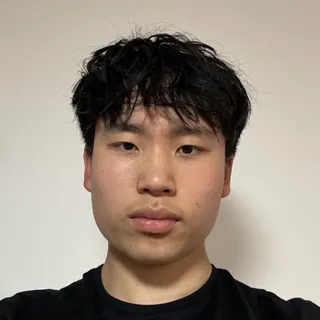
Portrait of Wenyu Boris Xie

Wenyu Boris Xie

Mathematics, Physics, and Geography Specialist

London

£30.00 per hourDBS checkediAccepting enquiries
11+ (general)BiologyChemistryCreative Writing+8 more
  • Wenyu holds over 3 years' of teaching experience.
  • Currently studying for his Bachelors of Engineering in Civil Engineering at the University of Bristol.
  • Holds A*, A for Physics and Mathematics at A-Level.
  • Holds 5 A*s for Mathematics, Physics, Biology, Chemistry, and Geography at GCSE-level.
  • Holds an ARSM Diploma in Violin Peformance and ABRSM Grade 8 in Piano Peformance.

Maths and physics tutor for KS2–A Level, plus GCSE Geography and 11+/13+. Civil Engineering MEng student at the University of Bristol with 3+ years’ teaching experience, offering tailored lessons with session reports and optional homework.

Send a quick enquiry from here and the Latimer Tuition team will pass it on to Wenyu.

Start with the player you are now

You do not need a grade number to describe your starting point. A favourite tune, a piece you used to play or a passage that keeps going wrong can make the first discussion much more useful. Children and adults may need different pacing and support even when they are learning the same notes.

First lessons
Begin with a comfortable playing position, holding the bow and making a controlled sound on open strings. Listening, simple rhythms and the first steps in reading music can develop together.
Adult beginners and returning players
Explain what draws you to the violin and what you remember. If you have played before, suggest starting with a manageable familiar passage so the tutor can identify what is secure and what needs rebuilding.
Developing technique and expression
A passage may need cleaner bow changes, more accurate finger placement or a change in musical character. Later work can include moving the left hand into higher positions and varying bow speed, weight and contact point to shape the sound.
Playing for enjoyment or with others
Choose music that matters to you: a tune, an ensemble part or a performance piece. A lesson plan can use those goals to guide technical work without making exams the destination.

A practice example: crossing from D to A

Here is a simple constructed exercise for a beginner, using a violin that has been tuned. An open string sounds without a left-hand finger pressing it down. Keeping the left hand out of this task lets you concentrate on the bow. The aim here is to sound one string at a time.

  1. Play the starting pattern

    Play open D–D–A–A twice, using one separate bow stroke for each note at a slow, even pulse. Tap four steady beats before you begin if that helps you keep the rhythm.

  2. Listen for the difficulty

    Suppose you intend to play A but hear D sounding with it. The bow may be touching both strings as you make the crossing. Playing the whole pattern faster will not isolate that movement.

  3. Adjust the crossing

    Pause before A and, with the tutor’s guidance, adjust the bow’s level until it contacts the A string alone. Repeat the D-to-A movement slowly. The tutor can observe the bow arm and adapt the demonstration to your setup.

  4. Check the result and use it in music

    Repeat D–D–A–A at the same comfortable pulse. Listen for each intended string sounding clearly without a pause at the change. Once that is repeatable, use the same crossing in a short phrase chosen with the tutor.

Give practice a clear listening target

The string-crossing example has a result you can hear. Apply the same idea to other work: name the passage, identify what needs to change and agree how to check it. For intonation, meaning playing in tune, a tutor might have you sing a familiar short tune and then play it, listening for notes that sound higher or lower than intended. Suitable notes can also be checked against open strings.

Keep practice manageable and spread it through the week. For a young beginner, ask the tutor to show the supporting adult exactly what to listen for. At the next lesson, return to the same short passage so you can discuss what changed and what still needs attention. Set the amount of practice around the learner’s stage and routine.

If you want to work towards a violin grade

Tell the tutor the exam board, grade and assessment route, as well as the pieces you are using. These affect what needs practice. The ABRSM routes below illustrate the difference; check the current requirements for your own board before choosing repertoire or entering.

ABRSM Practical Grades
Violin Practical Grades assess three pieces, scales and arpeggios, sight-reading and aural tests. Preparation needs room for unfamiliar short music and listening responses alongside polished pieces. For example, connect a scale to the key of a piece, then practise reading a short new passage without treating it as another set piece.
ABRSM Performance Grades
Performance Grades assess four pieces and the performance as a whole in a continuous video recording, without separate supporting tests. Alongside fixing difficult passages, rehearse the programme in order: keep the character of each piece clear and practise the transitions between them.

Use the introduction to check teaching fit

Latimer offers a free introductory meeting to discuss goals, teaching approach and arrangements before paid lessons. Use it to explain the music you want to play and the obstacle you would most like help with.

  • Relevant experience

    Look for violin teaching at your starting point and ask about your preferred styles or named exam route. Experience preparing a performance programme and experience introducing a young beginner answer different needs.

  • Clear feedback

    Ask how the tutor would turn a difficulty into a manageable practice task and how they would review it. You should be able to explain what to try between lessons and what improvement would sound like.

  • Learning support that suits you

    Mention practical needs such as larger notation, a slower demonstration, smaller steps or a different instrument support. Discuss suitable adjustments with the individual tutor. For a child, agree how a parent or carer will help with setup and practice.

Prepare for an online violin lesson

Latimer’s service is online-first. Microsoft Teams is the default lesson platform, with alternatives by agreement. Before the first lesson, test the sound while playing and position the camera so the tutor can see the violin, both hands and the bow’s movement. Leave enough space for the bow and place the music where you can read it without twisting towards the screen.

Have the violin, bow, rosin and agreed music ready. Discuss instrument size and support before buying or hiring: an age-based size chart is only a guide, and the instrument needs to fit the player. For a young beginner, agree who can help with setup and tuning between lessons.

If you want in-person violin tuition, discuss the location and arrangement with the tutor. It needs to be agreed individually.

Support and clarity

Frequently asked questions

Straight answers to the questions people ask most often.

Do I need to read music before I start violin lessons?

No. A beginner can develop reading alongside listening and playing. Tell the tutor if notation is new to you so written notes and rhythms can be introduced through short patterns you can hear and play. If you have learnt some music already, explain what you feel comfortable reading and where you need help.

Do I need my own violin before making an enquiry?

You can enquire before you have an instrument. Say that you need advice on getting ready. For practical lessons and practice between them, arrange access to a playable violin and bow, with rosin and a suitable support if needed. Confirm the size with the tutor before committing to a purchase or hire arrangement.

How often should violin lessons happen?

Agree a lesson length and frequency that leave time for purposeful practice between meetings. A young beginner’s routine and an adult returner’s schedule may be different. Choose a manageable first goal and a point to review it with the tutor; there is no fixed lesson count that can establish how quickly an individual will be ready for a piece or grade.

How much does violin tuition cost?

Each tutor sets their own hourly rate, shown on their profile, and Latimer uses pay-as-you-go lesson billing. Compare the current rate with the lesson length and a schedule you can maintain. Ask separately about books, instrument hire and any exam or accompaniment costs relevant to your plans, so you know what to budget for.

Can I have lessons without taking violin exams?

Yes. You can make a favourite piece, playing with others or improving a specific part of your technique the goal. Tell the tutor what you want to be able to play, then agree suitable music and a way to review progress. If you later decide to take a grade, identify the board and route before changing the lesson plan.

Further information

Useful links and resources

Related tutor pages

Explore related tuition options and guidance for choosing the right support.