A-Level tuition

Expert 1-to-1 A-Level Media Studies Tuition

We match your child with a vetted, UK-based Media Studies specialist. Boost confidence and exam grades with zero contracts or sign-up fees.

  • UK-based tutors
  • Tailored to your child
  • Results that last

Match Me With an A-Level Media Studies Tutor

Step 1 of 3

Tell us what you need so we can find the perfect tutor for your child.

Choose the subject, level, and what you want the tutor to help with.

Which subject or subjects?

Choose the main areas where support is needed.

What level is this for?

Choose every level that applies.

What is the main goal?

Required fields are marked with . We use your details only to respond to this matching request.

What our Media Studies tutors help with

  • Building confidence with tricky Media Studies topics and knowledge gaps
  • Improving exam technique, past-paper strategy, and mark-scheme confidence
  • Creating a clear revision plan around your child's timetable and goals

Tailored to AQA, Edexcel, OCR, and more.

Available tutors

Meet a few of our high-performing Media Studies specialists.

Showing 1 matching tutor.

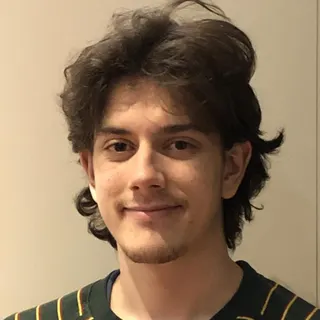
Portrait of Alfie Morris

Alfie Morris

Humanieis, Media, and Music Specialist

Bristol

£25.00 per hourDBS checkediAccepting enquiries
GuitarMedia StudiesMusicMusic Technology+2 more
  • Holds over 5 year's of tutoring experience.
  • Holds a 2:1 Bachelor's degree in Philosophy & Religion.
  • Holds Distinction in a Media & Film Diploma.
  • Alfie has worked professionally throughout the media industry; on set, in post production and as a film critic.
  • Holds A, A for Mathematics and English at GCSE level.

Alfie Morris is a private tutor for GCSE to A Level Philosophy, Religious Studies, Media Studies and Music, plus guitar lessons, with online tutoring available. He has 5+ years’ experience, a 2:1 BA in Philosophy & Religion, and a Media & Film diploma.

Send a quick enquiry from here and the Latimer Tuition team will pass it on to Alfie.

View profile
Compare A Level Media Studies tutors, check fit and pricing, then use the guidance below to understand online lessons, exam technique, NEA boundaries, tutor credentials and the subject-specific questions to ask before booking.

Why choose Latimer for A Level Media Studies tutoring

A Level Media Studies is not just a set of revision notes. Students have to connect theory, set products, media forms, essays, unseen analysis and independent production work. Latimer helps parents compare one-to-one tutors who can support that exact mix, then move from profile comparison to an introductory chat without committing to a long package first.

Use this page when your child needs clearer theory, sharper essay planning, better mock feedback, help applying mark schemes or ethical support around NEA planning. It is also useful if you are deciding whether a private tutor would add more value than school support, free videos or a general revision course.

  • One-to-one support for theory, set products, exam technique, mock review and NEA planning boundaries.
  • A clear pay-as-you-go process, with tutor profile rates shown before you decide to book lessons.
  • Online lessons that can use shared clips, screen sharing, whiteboards, past papers, essay plans and feedback.
  • Practical support for Year 12 transition, Year 13 exam pressure, confidence, high-achiever stretch and revision routines.

How to compare tutors and start lessons

Start with the tutor profiles above, then use the introductory chat to test fit before arranging paid lessons. Latimer’s normal process is simple: choose a tutor, talk through goals, receive the tutor’s contact details and arrange lessons directly with them. If you are unsure which profile fits, send the matching team the student’s exam board, set products, target grade, budget, availability and learning needs.

  1. Shortlist

    Filter for Media Studies and A Level, then compare profile details such as rate, qualifications, availability and board experience.

  2. Enquire

    Message a tutor or contact Latimer with the subject, level, exam board, preferred times and any learning needs.

  3. Intro chat

    Use the free introductory chat to discuss goals, teaching style, NEA deadlines, mock results and lesson frequency.

  4. Agree lessons

    After the intro, arrange lesson timing directly with the tutor and agree what the first paid session should cover.

  5. Review fit

    After the first few sessions, check whether the student is clearer, more confident and getting useful feedback. Families can change tutor if the fit is not right.

Pricing, tutor types and what affects fit

Latimer’s model is pay as you go. The tutor’s hourly rate is shown on the profile, and Latimer’s own billing wording is: “The price we present is the price you pay.” General guidance on Latimer’s site gives example bands of around £20–£30 per hour for younger or student tutors and around £25–£50+ for qualified or highly experienced tutors, but the live rate on the tutor profile is the rate to use when making a decision.

The best fit is not always the most expensive profile. For Media Studies, parents should compare the tutor’s board experience, essay-feedback style, understanding of set products, comfort with media theory and ability to set clear independent practice.

Student or near-peer tutor
Often helpful for confidence, recent exam experience, approachable explanations and lower-cost support. Check board and topic fit.
Graduate or subject specialist
Useful for deeper analysis, theory, essay structure, close product reading and transferable media skills.
Qualified teacher
Can be valuable for curriculum planning, classroom experience and assessment expectations, where this is shown on the profile.
Examiner experience
May help with mark-scheme precision and exam technique, but only use it as a factor when the profile clearly shows it.
SEN or access-aware tutor
Can adapt lesson routines and practice tasks, while official access arrangements remain with the school or exam centre.

Online Media Studies lessons and honest near-me support

Many families search for an A Level Media Studies tutor near them, but online tutoring can be a better option when the subject is niche or the student needs a tutor who knows a specific board, set product or production brief. Online lessons can still be highly practical: the tutor can screen-share clips, annotate stills, compare webpages, build essay plans in a shared document, review past-paper answers and set focused tasks for the next session.

If in-person lessons matter to you, mention that in the enquiry. The safest general promise, however, is national online comparison rather than claiming local in-person availability in every area.

Online one-to-one tutor
Best when the family wants flexible scheduling, a wider tutor pool and board-specific feedback without travel.
In-person tutor
Best when a suitable local tutor is available and travel time does not reduce consistency.
Group revision course
Good for broad recaps, but usually less personalised for set products, essays or NEA planning.
School support
Helpful when available, but one-to-one tuition can add diagnosis, accountability and individual feedback.
Self-study resources
Useful for practice, but weaker when the student cannot identify why answers are missing marks.

Tutor credentials, DBS checks and realistic outcomes

Tutor profiles are there to help you compare fit, not just names. Look for the tutor’s subjects, levels, qualifications, rate, availability, DBS information and any board-specific experience. Latimer states in its FAQs that all tutors hold an Enhanced DBS check including the Children’s Barred List, and lessons are usually delivered online.

A good tutor should diagnose the issue, model a better approach, give guided practice, set manageable next steps and build independence. A tutor can help with understanding, confidence, revision habits and exam technique, but no tutor can guarantee a particular grade.

  • Ask whether the tutor has taught or tutored the student’s board and set products.
  • Check whether the tutor’s style suits the student: discussion-led, visual, essay-focused, theory-led or exam-practice-led.
  • Use qualified teacher or examiner experience as useful evidence where shown, not as the only sign of quality.
  • Avoid anyone who promises a guaranteed grade or offers to complete assessed work for the student.

What A Level Media Studies tutors can cover

Official AQA wording is a useful anchor for the subject’s conceptual core: “media language, media representation, media industries, media audiences.” Across A Level Media Studies, students may also work with television, film, radio, newspapers, magazines, advertising, marketing, online and social media, video games and music videos, depending on their board and set products.

Tutoring should turn that breadth into clear thinking: what the product is doing, which evidence proves it, how theory applies and how the student can express the answer under timed conditions.

Media language
How images, sound, layout, editing, camera, words and conventions create meaning. Tutors can help students name techniques and explain effects.
Representation
How people, groups, places and issues are selected and constructed. Tutors can build balanced paragraphs with precise product evidence.
Media industries
How products are produced, distributed, regulated and monetised. Tutors can connect case studies to ownership, platforms and audience reach.
Audiences
How audiences are targeted, measured and understood. Tutors can help students compare audience readings and apply theory carefully.
Media forms
Television, film, radio, newspapers, magazines, advertising, online media, games and music videos may appear differently by board and set product.

Exam boards, assessment structure and NEA support

The student’s exam board matters. For AQA A Level Media Studies, the qualification has two written papers: Media One and Media Two. Each paper is 2 hours, 84 marks and 35% of the A Level. The AQA NEA is 60 marks and 30% of the qualification, and asks students to create a cross-media production for an intended audience with a Statement of Intent of up to 500 words. AQA also says students should acknowledge non-original material and template or software use.

Eduqas/WJEC also uses a theoretical framework and includes analysis of media products, understanding of industries and audiences, and creation of media products. A tutor should ask which specification the student follows, which products or briefs are current, and what the school has already covered. For OCR or any less common specification, ask Latimer or the tutor to confirm current board experience before booking.

AQA written papers
Media One and Media Two are each 2 hours, 84 marks and 35% of the A Level.
AQA NEA
The non-exam assessment is 60 marks and 30%, involving a cross-media production and a Statement of Intent.
Eduqas/WJEC
The qualification also uses a theoretical framework and includes analysis, industries, audiences and media production.
Board-fit questions
Ask: which specification, which set products, which NEA brief, what mark scheme and what upcoming deadlines?

Common weak areas, exam technique and mark-scheme support

Students often know the product but lose marks because the answer is descriptive, the theory is bolted on, or the paragraph does not connect evidence to the question. A Media Studies tutor can slow the process down: identify the command word, choose the most useful product evidence, connect it to language, representation, industry or audience, and then build a clearer answer.

This is where one-to-one tutoring can be more useful than simply watching another revision video. The tutor can spot the student’s actual pattern of mistakes and set targeted practice until the method becomes more independent.

  • Turning theory into usable argument rather than name-dropping theorists.
  • Moving from description to analysis in set-product and unseen-product questions.
  • Planning essays that answer the command word instead of retelling the product.
  • Using mark schemes and examiner language to understand why answers gain or lose marks.
  • Reviewing mocks by timing, topic, theory, evidence, structure and confidence rather than only total score.
  • If the student struggles with theory

    Build a one-page theory bank with examples from their actual set products.

  • If essays are vague

    Practise paragraph frames that move from point, evidence and terminology to a precise analytical judgement.

  • If mocks are disappointing

    Break the script down by question type, timing, missing terminology and weak topic patterns.

  • If revision feels passive

    Use active tasks: timed plans, product annotations, flashcards, short-answer drills and self-correction logs.

Ready to compare A Level Media Studies tutors?

Compare available tutor profiles filtered for Media Studies and A Level, or contact Latimer with your child’s exam board, set products, availability, budget and learning needs. The aim is a tutor who understands both the subject and your child’s situation.

Support and clarity

Frequently asked questions

Straight answers to the questions people ask most often.

How much does an A Level Media Studies tutor cost?

Latimer is pay as you go. Tutor profiles show the hourly rate before you book, and Latimer’s general guidance gives example bands of around £20–£30 per hour for younger or student tutors and around £25–£50+ for qualified or highly experienced tutors. The live profile rate is the rate to use when comparing tutors, because experience, availability and specialism can vary.

How do online A Level Media Studies lessons work?

Online lessons can use screen sharing, shared documents, whiteboards, past papers, set-product screenshots, clips, essay plans and live feedback. They are well suited to a subject where students need to discuss media products, apply theory, plan answers and review written work.

Can I find an A Level Media Studies tutor near me?

You can discuss location preferences, but many families get better choice by comparing online tutors nationally. Online tuition means you are not limited to local availability, which can matter for a specialist subject like A Level Media Studies. The page does not assume an in-person tutor is available in every town.

Which exam boards can tutors support?

Start by checking the tutor profile and asking about your child’s exact specification, set products and NEA brief. The guidance on this page uses AQA and Eduqas/WJEC examples from official sources. For OCR, Pearson or another board, ask Latimer or the tutor to confirm current board experience before booking.

Can a tutor help with Media Studies NEA or coursework?

Yes, but only ethically. A tutor can help the student understand the brief, plan time, discuss ideas, apply theory and build good feedback habits. They must not write, correct or produce assessed work for the student. JCQ guidance says the work submitted for assessment must be the student’s own.

What happens in the first A Level Media Studies lesson?

The introductory chat is usually for goals and fit. In the first paid lesson, the tutor might check the student’s exam board, set products, confidence, recent marks, theory knowledge and upcoming deadlines, then use a short task or answer review to agree priorities.

How often should my child have Media Studies tuition?

It depends on the student’s goals and deadlines. Occasional lessons can work for a specific theory, mock review or NEA planning issue. Weekly lessons are better for steady progress, accountability and exam technique. A short intensive block may help near mocks or exams, provided the student can manage the workload.

Can I change tutor if the first match is not right?

Yes. Latimer’s process lets families compare tutors and use the introductory chat to check fit. If the first tutor is not the right match, you can look for another tutor or contact Latimer for help, without needing to commit to a long package first.

Should I look for a qualified teacher or examiner?

Qualified teacher or examiner experience can be very useful, especially for assessment expectations and mark-scheme precision, but it is not the only sign of fit. For Media Studies, also check whether the tutor can explain theory clearly, work with your child’s set products and give useful written feedback.

Can tutoring help with access arrangements or SEND needs?

A tutor can adapt lesson routines, pacing, practice conditions and revision habits for a student’s needs. Official access arrangements are managed by schools or exam centres and must be supported by evidence and normal way of working; a tutor cannot grant them.

Is A Level Media Studies useful beyond exams?

It can be. Media Studies can build analysis, communication, planning, creativity, audience awareness and production thinking. These skills can connect with media, communications, journalism, marketing, advertising, film, TV, radio, content and digital careers, while still needing normal course or employer entry checks.

What if school support or free revision resources are already available?

School support and free resources may be enough when the student knows what to revise and can accurately judge their own answers. A tutor adds value when the student needs diagnosis, structured feedback, accountability, exam technique, NEA boundaries or board-specific next steps.

Related tutor pages

Continue comparing nearby subjects and levels so you can find the right tutor fit for your next step.

A-Level tuition

A-Level English Literature tutor

Compare online tutors for A-Level English Literature, from essay technique and set texts to exam-board support, NEA boundaries and confidence-building lessons.

A-Level tuition

Find an A-Level Drama tutor for Drama and Theatre

Compare online tutors who can support the practical, written and exam-board demands of A-Level Drama and Theatre, from devised work and set texts to live theatre evaluation and confident performance.

A-Level tuition

A-Level English Language Tutor

Compare online tutors for A-Level English Language, with subject-specific support for language analysis, exam technique, NEA boundaries and confident independent work.

AS Level tuition

AS Level Media Studies tutor

Compare online tutors who can help with Media Studies theory, set products, essays, mock review and ethical production planning.