
AS Level tuition

Expert 1-to-1 AS Level Media Studies Tuition

We match your child with a vetted, UK-based Media Studies specialist. Boost confidence and exam grades with zero contracts or sign-up fees.

  • UK-based tutors
  • Tailored to your child
  • Results that last

Match Me With an AS Level Media Studies Tutor

Step 1 of 3

Tell us what you need so we can find the perfect tutor for your child.

Choose the subject, level, and what you want the tutor to help with.

Which subject or subjects?

Choose the main areas where support is needed.

What level is this for?

Choose every level that applies.

What is the main goal?

Required fields are marked with . We use your details only to respond to this matching request.

What our Media Studies tutors help with

  • Building confidence with tricky Media Studies topics and knowledge gaps
  • Improving exam technique, past-paper strategy, and mark-scheme confidence
  • Creating a clear revision plan around your child's timetable and goals

Tailored to AQA, Edexcel, OCR, and more.

Available tutors

Meet a few of our high-performing Media Studies specialists.

Showing 1 matching tutor.

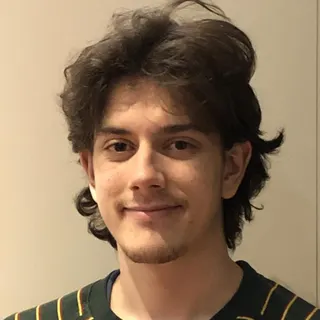
Portrait of Alfie Morris

Alfie Morris

Humanieis, Media, and Music Specialist

Bristol

£25.00 per hourDBS checkediAccepting enquiries
GuitarMedia StudiesMusicMusic Technology+2 more
  • Holds over 5 year's of tutoring experience.
  • Holds a 2:1 Bachelor's degree in Philosophy & Religion.
  • Holds Distinction in a Media & Film Diploma.
  • Alfie has worked professionally throughout the media industry; on set, in post production and as a film critic.
  • Holds A, A for Mathematics and English at GCSE level.

Alfie Morris is a private tutor for GCSE to A Level Philosophy, Religious Studies, Media Studies and Music, plus guitar lessons, with online tutoring available. He has 5+ years’ experience, a 2:1 BA in Philosophy & Religion, and a Media & Film diploma.

Send a quick enquiry from here and the Latimer Tuition team will pass it on to Alfie.

View profile
Find one-to-one AS Level Media Studies tuition that fits your child’s board, current topics and confidence level. Compare tutor profiles, discuss online lessons and use the free introductory meeting to check the right mix of theory, essay technique, revision planning and ethical NEA support.

Why choose Latimer for AS Level Media Studies tutoring?

AS Level Media Studies is a blend of close analysis, theory, essay writing and creative decision-making. Latimer helps families compare one-to-one tutors who can support the subject as an AS and A level pathway, rather than treating it as generic homework help.

The Department for Education describes Media Studies as involving the “fundamental relationship between theory and practice”. That is why a good tutor needs to do more than check an essay: they should help the student connect concepts, set products, exam wording and production choices.

  • Compare tutor profiles, hourly rates and backgrounds before enquiring.
  • Use online one-to-one lessons for set-product analysis, essay planning, mock review and revision routines.
  • Ask for board-aware support, especially where the student is taking a standalone AS or the first year of an A level course.
  • Keep expectations realistic: a tutor can improve understanding, confidence and exam technique, but no tutor can guarantee a particular grade.

How the tutoring process works

The process is designed to let parents compare fit before committing to regular lessons. Latimer’s public guidance says families can browse tutors, message them directly, and use an introductory meeting to discuss goals, lesson format and expectations.

  1. Shortlist suitable tutors

    Compare Media Studies experience, level, hourly rate, availability and teaching style on tutor profiles.

  2. Share the course details

    Tell the tutor the awarding body, year group, current set products or brief, recent marks and whether support is for AS or first-year A level.

  3. Use the free introductory meeting

    Latimer says tutors offer a free introductory meeting, usually around 15 to 45 minutes, to check goals, fit, format and expectations.

  4. Start with a diagnostic lesson

    The first lesson can review an essay, mock, set-product notes or production plan, then agree the next practical steps.

  5. Adjust the plan

    Lesson reports, parent updates and tutor feedback can help the family refine focus without locking into a long package.

Pricing, tutor types and what affects fit

Latimer shows pricing on tutor profiles and describes pay-as-you-go billing after lessons, so parents can compare options before contacting a tutor. This page does not give a fixed AS Level Media Studies price because rates depend on the individual tutor and live availability.

For Media Studies, the best fit is not always the highest-priced profile. A student who is stuck on theory may need a different tutor from a student who needs help organising NEA planning or practising timed essays.

  • Ask what the hourly rate includes: lesson time, feedback, homework expectations and lesson reports.
  • Check whether the tutor can support the student’s current board and products, not just Media Studies generally.
  • Avoid paying for a title alone; match experience to the learner’s specific barrier.
Subject specialist
Useful for theory, set products, terminology, essay structure and confidence with media forms.
Qualified teacher
May suit families who want classroom or specification experience; check the individual profile before assuming this background.
Examiner background
Useful where a profile clearly states assessment experience; especially relevant for command words, mark schemes and essay precision.
Graduate or undergraduate tutor
Can be a good fit for explanation, study habits and confidence when the profile matches the student’s course needs.
SEND-aware support
Relevant where the learner benefits from structured routines, confidence-building and adapted explanation; formal arrangements remain with school or exam centre.

Online Media Studies lessons and honest near-me handling

Many families search for a Media Studies tutor near them, but Latimer is online first. That can be an advantage for AS Level Media Studies because online lessons make it easier to compare suitable tutors nationally and work directly with screen-shared media products, essay plans, notes and briefs.

In-person lessons may be possible only where a tutor and family are close enough and both agree the format. The safe starting point is to compare the best online fit, not to assume local face-to-face coverage in every area.

  • A Media Studies lesson can use shared screens for adverts, websites, music videos, magazines or essay plans.
  • Parents can ask tutors how they give feedback on essays, notes and production planning online.
  • For younger learners, Latimer’s online safety guidance says parents or guardians should know when lessons happen and which platform is being used.
Online one-to-one tuition
Best for national tutor choice, screen-shared adverts or websites, shared notes, live annotation and flexible scheduling.
In-person tuition
May suit students who strongly prefer face-to-face support, but availability depends on a suitable tutor being nearby.
School support
Good for course-specific deadlines and teacher feedback; a tutor can add extra time, diagnosis and accountability.
Self-study and free resources
Useful for factual recall and extra practice, but weaker when the student needs personalised feedback on theory use or essay structure.

Tutor credentials, safeguarding and realistic outcomes

Parents should be able to check who will be teaching their child and what support is realistic. Latimer’s FAQ says tutors are DBS checked with an Enhanced DBS check including the Children’s Barred List, and it gives online safety guidance for families.

Tutor backgrounds vary: some tutors may be qualified teachers or examiners, while others may have strong academic or tutoring experience. The best question is not simply “are they a teacher?” but “can they help with this board, these products and this student’s learning style?”

Credentials to check
Subject knowledge, board familiarity, teaching qualification, examiner experience, tutoring years and SEND-aware support where relevant.
Safety and supervision
Use Latimer’s current FAQ for DBS wording, online lesson expectations and parent or guardian oversight.
Outcome boundary
A tutor can support understanding, confidence, revision habits and exam technique, but cannot guarantee a particular grade.
Tutor fit
If the teaching style, schedule or subject fit is not right, families can return to the directory or contact Latimer for help.

What AS Level Media Studies tutoring can cover

The official AS and A level subject content centres on four areas: media language, representation, media industries and audiences. GOV.UK describes the subject as dealing with “dynamic and changing relationships between media forms, products, media industries and audiences”.

A useful tutor can help the student turn that broad framework into practical exam and coursework skills: precise terminology, clear examples, theory used accurately, and better links between product evidence and argument.

Media language
How meaning is made through codes, conventions, layout, sound, editing, narrative, genre and form.
Representation
How people, places, ideas and social groups are constructed, selected, repeated or challenged.
Media industries
How media products are produced, regulated, funded, distributed and shaped by institutions.
Audiences
How audiences are targeted, interpreted, measured, positioned and involved.
Media forms
Television, radio, newspapers, magazines, advertising and marketing, online and social media, video games, music video and cross-media work.
Theory examples
Depending on the course, students may need to apply theorists such as Barthes, Hall, Neale, Gauntlett, Curran and Seaton or others accurately.

Exam-board, AS/A-level and assessment support

Media Studies support should be planned around the student’s awarding body, current component and course setup. Some families ask for AS Level support while schools and tutor profiles may discuss AS and A level together, so it helps to share whether the student is taking a standalone AS, the first year of an A level, or a broader sixth-form course.

As a labelled example, AQA A-level Media Studies 7572 is linear, with two written papers worth 35% each and non-exam assessment worth 30%. That example should not be treated as every board’s structure, but it shows why students often need help with both written analysis and production planning.

  • Tell the tutor the awarding body, component, current products, teacher feedback and any upcoming brief or mock.
  • Ask how the tutor handles set products, unseen analysis, command words, timed essays and production planning.
  • Keep board-specific claims modest unless the current specification is checked for that board.
What to share before lessons
Board, year group, AS/A-level setup, component, set products, brief, recent marks and target concerns.
Written papers
A tutor can help with timing, essay structure, unseen sources, terminology and theory-to-evidence links.
Production work
A tutor can help the student understand a brief, plan choices and practise skills while keeping submitted work their own.

Ethical help with NEA, coursework and production planning

A tutor can help with Media Studies coursework or NEA, but the boundary matters. Appropriate support includes explaining the brief, testing whether ideas meet the requirements, discussing audience and representation choices, improving planning habits, and practising similar skills away from the submitted work.

The student’s assessed work must remain their own. Tutors should not write, design, rewrite or materially complete submitted work, and families should be careful with AI-generated content. JCQ malpractice guidance treats plagiarism and AI misuse as exam-integrity issues.

  • Safe support: brief interpretation, planning questions, skill practice, feedback questions and time management.
  • Unsafe support: creating the submitted product, writing the statement of intent, rewriting assessed work or disguising AI-generated content.
  • A good tutor should build independence, not create dependency on someone else’s wording or production choices.

Ready to compare AS Level Media Studies tutors?

Before you enquire, note the student’s board, current set products or brief, recent feedback, preferred lesson times and the kind of support they need most: theory, essays, revision planning, mock review or ethical production guidance.

  • Check the tutor’s Media Studies experience and level fit.
  • Ask how they would handle the student’s board, products and current goals.
  • Compare profile pricing, availability and lesson style.
  • Use the introductory meeting to decide whether the tutor feels right before starting regular lessons.

Support and clarity

Frequently asked questions

Straight answers to the questions people ask most often.

Do we need an AS-specific Media Studies tutor or an A-Level Media Studies tutor?

This page is for AS Level Media Studies support, but many official materials and tutor profiles discuss AS and A level together. Tell the tutor whether the student is taking a standalone AS, first-year A level support or a wider sixth-form course, and share the awarding body and current products.

Can a tutor help with Media Studies coursework or NEA?

Yes, within exam rules. A tutor can help the student understand the brief, plan ideas, practise relevant skills and reflect on feedback. The submitted work must remain the student’s own, so tutors should not write, design, rewrite or materially complete assessed work.

Which exam boards and set products can tutors support?

Support should be planned around the student’s actual board, component and current products. Share the awarding body, set products, recent marks and any current brief when you enquire so the tutor can judge whether they are the right fit.

How much does AS Level Media Studies tutoring cost?

Latimer shows tutor pricing on individual profiles and uses pay-as-you-go billing after lessons. Rates vary by tutor background, experience and availability, so this page does not give a fixed AS Media Studies price. Compare profile prices and ask what the tutor normally includes in lessons and feedback.

Are Latimer Media Studies lessons online or in person?

Latimer is online first. Online lessons can work well for Media Studies because tutors can discuss screen-shared products, essays, notes, mark schemes and production plans. In-person lessons depend on whether a suitable tutor is close enough and agrees that format.

What should we bring to the free introductory meeting?

Bring the board, course setup, current set products or brief, recent essays or mock feedback, target concerns, lesson-time preferences and any access-arrangement context. Use the meeting to check teaching style, subject fit and expectations before regular lessons begin.

Should we choose a qualified teacher, examiner or subject specialist?

Each can be useful for a different reason. A qualified teacher may bring classroom and specification experience, an examiner may help with assessment language where stated, and a subject specialist may be strong on theory, products or confidence. Check the individual profile rather than assuming every tutor has the same background.

Can tutoring support access arrangements or SEND-related needs?

A tutor can adapt explanations, practise routines and help the student work with existing arrangements in mind. Schools and exam centres manage formal access arrangements and special consideration, so a private tutor cannot promise to secure them.

How often should my child have lessons, and is it too late after mocks?

The right frequency depends on the time available and the cause of the problem. Fortnightly support may suit a confident student who mainly needs feedback; weekly lessons are often better for regular skill-building; short-term blocks can help after mocks, but they still need independent practice between sessions.

Can a tutor help if my child knows the content but loses marks in essays?

Yes. That is a common reason to use one-to-one support. Lessons can focus on command words, theory-to-evidence links, paragraph structure, timed planning, specialist terminology and mock-review habits.

Can adult learners, home-educated students or external candidates use Latimer?

They can use the tutor shortlist as a starting point, but they should share the assessment setup, board, deadlines and any exam-centre arrangements before lessons begin. Exam entry, centre decisions and access arrangements are handled outside Latimer.

What happens if the tutor is not the right fit?

Latimer’s guidance says families are not locked into long-term packages or fixed contracts with Latimer. If the teaching style, availability or subject fit is not right, you can return to the directory or contact Latimer for help.

Related tutor pages

Continue comparing nearby subjects and levels so you can find the right tutor fit for your next step.

A-Level tuition

A Level Media Studies tutor

Compare available tutors for Year 12 and Year 13 Media Studies support, from theory and set products to exam technique, mock review and ethical NEA planning.

GCSE tuition

GCSE Media Studies tutor

Compare online tutors who can help with media language, representation, exam technique and responsible NEA preparation for GCSE Media Studies.

AS Level tuition

AS Level English Literature tutors

Compare online tutors for Year 12 and AS English Literature essays, set texts, exam technique, mock feedback and confidence, with clear pricing and tutor-fit guidance before you enquire.

AS Level tuition

Find an AS Level Religious Studies tutor

Compare online tutors for AS or Year 12 Religious Studies, including board-aware essay, revision and confidence support. Message a tutor or ask Latimer for help choosing a shortlist.