
One-to-one Fine Art tuition

Find a Fine Art tutor for the work you want to develop

Work on drawing, painting or another Fine Art process with one-to-one feedback. Bring a piece in progress, the medium you use and the decision you want help making.

  • One-to-one tuition
  • Pay as you go
  • Direct tutor contact
A Fine Art tutor can help you see why a drawing feels flat, compare a composition or explain the choices behind a study. The practical examples below show how to test a change while keeping the artwork and decisions your own.

The form controls become available when the enquiry form has loaded.

Fine Art tuition enquiry

Tell us what you know, skip anything you’re unsure about, and add a short description if you skip both subject and level.

  1. Tutoring brief
  2. Contact details

2 questions remaining

Tutoring brief

What level is the tuition for?

Choose a level

Choose a suggestion or type your own answer. You can skip this if you’re unsure.

This form works best for one learner at one level and up to six subjects. If your circumstances are more complicated, email us at Contact@LatimerTuition.com so you can explain everything properly.

How one-to-one tuition can help

  • Turning broad Fine Art ideas into focused studio practice, purposeful experiments and clear next steps.
  • Medium-specific feedback on observation, composition, technique and the learner’s work in progress.
  • Portfolio planning focused on purposeful selection, clear documentation and explaining the learner’s own decisions.

If a formal qualification applies, include the UK nation, exact qualification, awarding body, centre guidance and assessment series; otherwise describe the pathway or portfolio goal.

Available tutors

Compare Fine Art tutor profiles

Review each profile’s stated Fine Art expertise, media, teaching approach and current hourly rate. The free introductory meeting can then cover the learner’s work, intended outcome and practical arrangements.

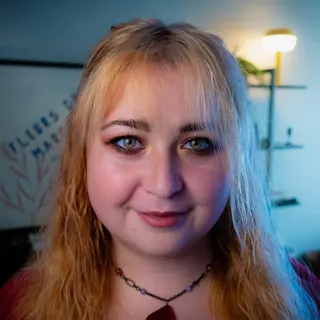
Portrait of Sophie Clark

Sophie Clark

Art, and English as a Foreign Language Specialist

London

£25.00 per hourDBS checkediAccepting enquiries
ArtArt and DesignFine ArtHistory of Art+1 more
  • Currently teaches Art, and English Language to students of all ages through personalised online lessons.
  • Holds a Bachelor of Arts in Fine Art, and a Diploma in Professional Art Studies from Central Saint Martins, University of the Arts London.
  • Over 8 years' of experience working in the world of Art, including roles at major museums and galleries in London.
  • Holds a TEFL certificate in teaching English as a foreign language from the World TEFL Institute.
  • Has experience teaching at a language school in Spain and online.
  • Skilled in practical Art techniques including painting, collage, printmaking, and ceramics.

Sophie Clark is an Art tutor for GCSE, AS Level, A-Level and KS3 students, combining a Fine Art background with practical experience in painting, collage, printmaking and ceramics.

Send a quick enquiry from here and the Latimer Tuition team will pass it on to Sophie.
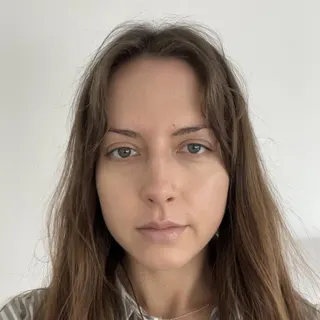
Portrait of Jessica Page

Jessica Page

Qualified Art, Mathematics, and Photography Teacher

Hove

£60.00 per hourDBS checkediAccepting enquiriesQualified teacher
ArtArt and DesignBusiness StudiesFine Art+2 more
  • Jess has over 6 years' of tutoring experience and has run her own tutoring business for over 5 years'.
  • Holds a First Class Bachelor of Arts with Honours in Fine Art, from Kingston University London.
  • Holds a Level-7 in Further Education and Training PGCE Visual Arts from the University of Brighton.
  • Achieved a Distinction in her Level 3 Art Foundation Diploma.
  • Holds an A* for Art at A-Level.
  • Holds 2 A*s and 5 As at GCSE level.

Jessica Page is a qualified teacher and GCSE Maths tutor for KS3–GCSE, plus Art/Photography for KS3–A Level. First-Class Fine Art BA and PGCE Visual Arts, 6+ years’ experience, online tutoring or in person, including SEND; lesson reports included.

Send a quick enquiry from here and the Latimer Tuition team will pass it on to Jessica.

Start with the artwork and the decision ahead

Bring a few representative pieces and name the decision ahead: improving a technique, developing a project, selecting portfolio work or responding to school feedback. Include the medium and deadline. For an assessed course, add its exact qualification and awarding body.

A beginner’s observational study and an experienced painter’s project need different kinds of discussion. Ask what the tutor would inspect first and what you would practise after the lesson.

Choose support by the learner’s goal

Choose the kind of help that fits your current work. The aim might be a technical explanation, sustained discussion of a project or understanding a course requirement.

Build foundations
Look for clear explanation and demonstration of observation, composition, colour, tone, mark-making or material control, followed by practice that lets the learner make the technique their own.
Develop a sustained project
Prioritise a tutor who can discuss intentions, ask productive questions, review experiments and help the learner connect research, trials and reflection without prescribing the finished response.
Work within a qualification
Match the exact nation, qualification, awarding body and assessment series, then ask how the tutor handles subject objectives, centre instructions and authorship boundaries.
Prepare a portfolio
Use the target course or opportunity to shape selection, sequencing and documentation. The tutor should strengthen how the learner presents decisions while leaving the creative choices and work with the learner.
Return to practice as an adult
Focus on a medium, project or habit that makes independent work achievable. A useful plan may centre on technique, constructive critique, studio routines or a move into unfamiliar materials.

Match the tutor to the medium and process

Fine Art includes more than drawing and painting. AQA’s GCSE Fine Art course, for example, also includes sculpture, installation, printmaking, mixed media and lens-based work. The practical question is whether a tutor understands the process you use well enough to demonstrate it and discuss specific decisions.

  • Drawing and painting

    Compare experience with the learner’s chosen materials and aims, such as observational drawing, paint handling, surface preparation, colour decisions or building a series of studies.

  • Print and mixed media

    Ask about the exact process, safe working expectations, sequencing and how experiments will be recorded. General visual judgement does not replace process knowledge.

  • Sculpture, installation and land art

    Look for relevant understanding of material behaviour, scale, construction, spatial decisions and documentation, including what can realistically be inspected through an online lesson.

  • Photography, lens and moving image

    Compare experience with image-making, editing, sequencing, presentation and critical choices, as well as the technical tools used by the learner.

  • Context and visual enquiry

    A strong match can connect critical and contextual sources to the learner’s own intentions, then use questions and experiments to deepen the response instead of supplying an imitation.

A drawing exercise: separate light, middle and dark

For this suggested practice exercise, arrange a plain cup beside a folded cloth and light it from one side. Make two small studies using only three tones: the paper for light, a middle pencil tone and a dark tone. Tone here means how light or dark an area is.

In the first study, give most of the cup and background the same middle tone. Notice where their edges are difficult to distinguish. In the second, reserve the paper for the brightest area of the cup, use middle tone for its turning surface and place a darker shape in the cast shadow. Compare what you can now see about the cup’s form and its position on the table.

If a dark outline is doing all the work, ask what happens when you replace part of that outline with a difference between adjacent tones. Do not assume every edge needs the same treatment. Choose the study that better serves your intention and explain one reason.

For a fresh attempt, move the light or change the arrangement. Identify the new light and shadow shapes before drawing. The check is whether you can make and explain tonal choices on another setup, not copy the first cup.

Place curriculum and assessment advice in context

Use the learner’s own curriculum or course documents for assessed work. There is no single UK-wide Fine Art specification. In England’s school art and design curriculum, making, recording ideas, developing techniques and discussing art all matter; an examination course adds its own assessment requirements.

General school progression
Use age and stage to identify suitable foundations, but connect tuition to the work and curriculum the learner is actually encountering.
AQA GCSE example
This route asks learners to develop ideas from critical and contextual sources, refine through experimentation, record observations and insights, handle materials safely and realise personal intentions. It must not be treated as every learner’s specification.
Another board, nation or course
Use that course’s active documents and centre instructions. Familiarity with a different Fine Art route may be useful background, but it is not exact assessment expertise.
No formal qualification
Build the plan around the learner’s project, technical aims, critical interests and next destination rather than importing exam language that does not belong.

Protect the learner’s authorship in assessed work

When artwork is formally assessed, tutoring should strengthen understanding and process without becoming unacknowledged assistance. Current centre and awarding-body rules on supervision, authentication and additional help control what is permitted. Confirm those boundaries before a tutor reviews or suggests changes to assessed work, especially during controlled or authenticated stages.

The safest distinction is between teaching transferable knowledge and making the learner’s submission. A tutor can explain, question, demonstrate elsewhere and help the learner evaluate options. The learner must still form the intention, select the response, make the assessed work and be able to account for the decisions.

Appropriate teaching
Explain a concept, demonstrate a technique on separate material, discuss examples, ask diagnostic questions or set an independent practice exercise.
Appropriate feedback
Describe what is clear or unresolved, point back to the task or criteria and invite the learner to decide how to respond.
Learner responsibility
Choose sources, develop intentions, carry out experiments, create the work and decide which changes to adopt.
Not appropriate
Creating sections of the submission, supplying a finished concept, editing assessed images on the learner’s behalf or disguising outside assistance.

Set up online lessons to show both process and result

Latimer’s standard model is online one-to-one tuition. For practical Fine Art, the tutor needs a usable view of how the work is being made as well as the finished surface. That can combine a live camera angle, clear photographs, scans, screen sharing and close-up images agreed before the lesson. The setup should suit the medium and the learner rather than forcing every task through one device.

Microsoft Teams is Latimer’s default lesson platform, while another meeting method can be agreed. In-person tuition is a separate arrangement only where it is practical for both tutor and learner; it is not a standard local offering.

Live process view
Position a phone or second camera so hand movement, tool use or construction can be seen without making the learner work awkwardly.
Clear still images
Photograph the whole piece and useful details in steady light. Include scale or multiple angles when surface, construction or three-dimensional form matters.
Digital screen sharing
Share image sequences, edits, research, animation or portfolio layouts at a readable size, while keeping original files under the learner’s control.
Accessible working conditions
Agree a suitable recording method, quieter workspace, pacing or accessible equipment while keeping the intended Fine Art goal ambitious and explicit.
Materials and safety
Choose lesson tasks that fit the materials, ventilation, workspace and equipment the learner can use safely without remote supervision being mistaken for on-site oversight.
Platform and files
Agree the meeting method, file-sharing route and any images to send beforehand so lesson time can focus on looking, discussing and making.

Choose a lesson rhythm that leaves room to make

Leave time between lessons to make and inspect work. A painting may need drying time; a portfolio task may need new photographs. Agree one practical task and what you will bring to the next discussion. If materials or time prevent you from trying it, adjust the plan.

Compare the live rate with the proposed support

Each tutor sets the rate shown on their profile. Agree lesson length, frequency and any cancellation terms before booking. Latimer invoices lessons on a pay-as-you-go basis.

Use the free introductory meeting to discuss relevant medium and course experience, how work will be viewed and what a useful first focus would be. It is a conversation about fit and arrangements, not normally a full teaching lesson.

An annotation exercise: explain a decision, not just an activity

On a separate practice study, “I used pencil and made the shadow darker” records what happened but leaves the reason unclear. Compare it with “I darkened the cast shadow to separate the cup from the cloth; in the next study I will test whether a softer edge suits the quieter effect I want.”

The second note connects a change with an intention and a possible next experiment. It is a constructed example, not wording to copy into an assessed sketchbook. Your own note should describe a decision you actually made and can explain.

For AQA GCSE Art and Design, annotation accompanies visual recording of ideas and observations. Its purpose is to communicate the learner’s thinking, not add a formulaic comment to every page. Check your course’s instructions before deciding what needs to be recorded.

Shape support around the next pathway

For a portfolio application, start with the target course’s current requirements. Select and order work to show your own decisions and development, using clear documentation. A tutor can discuss the selection or help you practise explaining it; the portfolio remains your work.

For self-directed practice, the next step may instead be a body of work or a medium you want to understand. Use the same questions about intention, experimentation and reflection without importing application requirements.

Useful Fine Art and tutoring routes

Use these pages to compare neighbouring subject labels, explore stage-specific Art tuition, or understand Latimer’s lesson and enquiry process before choosing a route.

Choose your Fine Art next step

Compare Fine Art profiles, or send a free matching request with the learner’s stage, medium, current work and goal. Add preferred times and a budget so the first conversation can address a practical next step.

Support and clarity

Frequently asked questions

Straight answers to the questions people ask most often.

Does a Fine Art tutor need experience in the same medium?

Relevant medium experience matters when the learner needs process-specific demonstration or diagnosis. Painting, printmaking, sculpture, installation, photography, moving image and mixed media raise different technical questions. A tutor with broad visual knowledge may still help with composition or critique, but ask for concrete experience in the materials and process central to the learner’s goal.

Can a tutor help with GCSE or A-level Fine Art?

A tutor can support the relevant knowledge, skills, process and assessment understanding, but the exact course comes first. There is no single UK-wide Fine Art specification: nation, qualification, awarding body and assessment series all matter. Give the tutor the active course details and centre instructions rather than assuming experience with one Art route transfers exactly to another.

How can a tutor support assessed work without taking it over?

The tutor can teach transferable techniques, demonstrate on separate material, ask questions and give feedback that helps the learner evaluate options. The learner must form the intention, make the work and decide how to respond. Before reviewing formally assessed work, confirm the current centre and awarding-body rules for supervision, authentication and additional assistance.

Can Fine Art lessons be adapted for access or concentration needs?

Adaptation should be both learner-specific and Fine Art-specific. Possible adjustments include a quieter workspace, shorter task stages, a suitable camera or recording method, accessible equipment, clearer demonstrations and planned pauses. The subject goal should remain explicit and ambitious, with component skills taught directly rather than quietly replacing the intended work with an easier activity.

Can a tutor help prepare a Fine Art portfolio?

A tutor can help the learner interpret a target course’s published requirements, review selection and sequence, improve documentation and practise explaining decisions. The portfolio itself must remain the learner’s work. Start with the exact destination because colleges, universities and other opportunities may ask for different media, formats, contextual material or evidence of process.

Can I arrange Fine Art tutoring in person?

Latimer is online first, with one learner working remotely with one tutor. Microsoft Teams is the default platform, although another meeting method can be agreed. In-person tuition is only a separate arrangement when it is practical for both tutor and learner; a search for Fine Art tuition does not create a standard local option.

Related tutor pages

Explore related tuition options and guidance for choosing the right support.