
One-to-one music theory tuition

Grade 8 Music Theory tutors

Work towards a Grade 8 theory exam or deepen your understanding of harmony and composition. Find a tutor for advanced written work, clear explanations and feedback on your own scores.

  • One-to-one tuition
  • Pay as you go
  • Direct tutor contact
At Grade 8, knowing the name of a chord is only a starting point: the challenge is to use harmony, develop musical ideas and explain what happens in a score. Start with your exam board or a specific non-exam goal, then choose a tutor who can help you turn that knowledge into independent written work.

The form controls become available when the enquiry form has loaded.

Grade 8 Music Theory tuition enquiry

Tell us what you know, skip anything you’re unsure about, and add a short description if you skip both subject and level.

  1. Tutoring brief
  2. Contact details

Final question

Contact details

Where should we send tutor options?

We’ll reply by email. Mobile is an optional fallback only.

Your tutoring brief

Subject
Music
Level
Grade 8

Free matching request skip anything you’re unsure about pay as you go when lessons begin.

We use your contact details to reply to this enquiry. See our Privacy Policy for other uses.

How one-to-one tuition can help

  • Explain chromatic chords and changes of key in the context of a phrase.
  • Develop convincing written answers for your chosen Grade 8 theory syllabus.
  • Use feedback on your own notation to decide what to practise next.

Preparing for ABRSM or Trinity? Include your board and intended exam date in your enquiry.

Available tutors

Explore tutors for Grade 8 theory

Look for advanced music theory teaching and experience with your chosen board. Use the introductory discussion to check how the tutor approaches harmony, composition and written feedback.

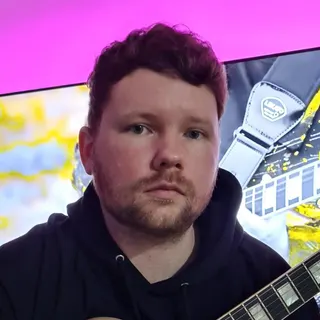
Portrait of Owen Evans

Owen Evans

Music, and Musical Instrument Specialist

Lumsden, United Kingdom

£30.00 per hourDBS checkediAccepting enquiries
GuitarMusicMusic PerformanceMusic Technology+1 more
  • Holds over 8 years' of online teaching experience.
  • Owen holds over 18 Years' experience teaching & in the Music industry.
  • Received over 1 million views & listens on Spotify, Youtube & social media.
  • A professional songwriter in all genres.
  • Over 10 years' experience using Logic Pro-x.
  • Owen has worked with Grammy-winning producers.

Owen Evans is a UK guitar tutor with 18+ years in teaching and the music industry, including 8+ years of online tutoring. He supports ABRSM/Rockschool, GCSE and A-Level Music, plus songwriting and Logic Pro X production with tailored lesson plans.

Send a quick enquiry from here and the Latimer Tuition team will pass it on to Owen.

ABRSM and Trinity: prepare for the right written tasks

Both boards assess musical understanding through written answers and notation. These theory exams do not include an instrumental recital or require an accompanist. Their Grade 8 tasks differ, so use the syllabus for your chosen board when selecting practice material.

ABRSM Grade 8 Music Theory
A three-hour paper exam. Work includes continuing two treble parts of a Baroque trio sonata over a supplied bass with harmony figures, completing keyboard writing, continuing an instrumental melody and analysing scores. The supplied continuo bass does not need a keyboard realisation.
Trinity Grade 8 Theory of Music
In the UK, the exam is digital and allows three hours. Tasks include a 12- or 16-bar melody, rewriting a Romantic orchestral extract at concert pitch (the notes that sound), harmonising Bach-style chorale phrases and analysis. Melody briefs can specify scales, modes or a serial tone row.

A worked example: does one sharp mean a new key?

Consider this short, original harmony sketch in C major: C–D7–G–C. The D7 chord contains D, F♯, A and C. A learner might see the F♯ and conclude that the music has changed to G major. The next chord and the surrounding phrase matter too.

Here D7 pulls towards G, then the sketch returns to C. D7 is a secondary dominant: it temporarily makes another chord feel like a point of arrival. The analysis is I–V7/V–V–I. I means the home chord; V is its dominant, built on the fifth note of the scale. V7/V means the dominant seventh of that dominant.

To connect the D7 to G, try moving F♯ up to G and C down to B in two separate parts. This shows how the chord works, beyond naming its notes. A better explanation is: “D7 briefly emphasises G, but this sketch returns to C; the F♯ alone does not establish a lasting change of key.” This temporary emphasis is called tonicisation. A sustained new key and a cadence there would be stronger evidence of modulation.

Try the idea in G major: analyse G–A7–D–G. A7 contains A, C♯, E and G. Its C♯ can rise to D while G falls to F♯. Explain why A7 is V7/V here. Being able to transfer the reasoning to a new key is a useful progress check. These are chord and note-movement sketches to explore, rather than complete four-part exam answers.

Turn a difficult writing task into focused practice

Grade 8 preparation needs longer musical decisions as well as individual chord checks. Here are suggested practice tasks to discuss with your tutor; choose the ones that fit your board and current work.

  • ABRSM: connect the two treble parts

    For a short trio-sonata continuation, identify the harmony implied by the bass figures before adding notes. Trace the opening rhythm through both upper parts. Check whether your continuation develops that material and whether the lines make sense together. Aim to explain why you changed a note, not just accept a correction.

  • Trinity: plan a chorale phrase

    The Grade 8 chorale task supplies no bass and normally calls for a change of key. Mark possible phrase endings first, then plan a bass and the inner parts around them. Review the movement between chords, including any consecutive fifths or octaves, rather than checking each chord in isolation.

  • Apply the correction to unfamiliar music

    After revising one passage, try a new one without copying the model. Keep your first attempt and correction together so you can identify recurring problems. Build towards a timed, board-appropriate paper once the underlying writing is secure.

Choose a tutor who can explain your written work

Look for experience teaching advanced theory and the particular writing tasks your board uses. An instrumental qualification alone does not tell you how a tutor will teach a trio-sonata continuation or a chorale. Bring one attempted question and point to where your reasoning broke down.

Latimer tutors offer a free introductory meeting to discuss goals, teaching approach and arrangements. It is usually a conversation rather than a full teaching lesson. Ask how you will share notation, what feedback a paid lesson includes, and how the tutor will check that you can apply a correction independently.

Each tutor sets their own hourly rate, shown on their profile. Lessons are billed on a pay-as-you-go basis after they take place. Before booking, agree the lesson length, frequency and whether any marking outside lessons is included. Compare that arrangement with the time you can realistically spend writing between meetings.

Prepare your score for an online lesson

Latimer offers online-first, one-to-one tuition. Microsoft Teams is the default lesson platform, with other platforms possible by agreement. In-person lessons require an individual arrangement with the tutor.

For a theory lesson, have your attempted answer, the question and any previous feedback ready. A clear scan or photograph of manuscript work lets you both refer to the same bar; agree a way to annotate it or share a notation file. Keep paper and pencil nearby so you can make a fresh attempt yourself.

If dense scores or screen work are difficult, tell the tutor what helps: a larger view, one phrase at a time, or a spoken explanation before writing. Agree manageable written tasks between lessons and review the workload after the first few attempts. For Trinity exam preparation, also practise its separate notation editor and sample test so entering an answer becomes familiar.

Start with your board, your work and your goal

You can browse tutor profiles or send a free matching request. A specific enquiry gives the tutor something useful to respond to.

  1. Describe the aim

    Name ABRSM or Trinity if you are preparing for an exam, or describe the score-reading or composition work you want to develop. Include your current theory study and an intended exam date if you have one.

  2. Share the sticking point

    Mention a question you could not finish, feedback you did not understand, or a recurring problem such as identifying a temporary key. Add the time you have for independent practice and any support you need with reading or writing notation.

  3. Agree the first priorities

    Use the introductory discussion to confirm theory and board fit, then agree what the first paid lesson should address. Decide how you will review progress and who will handle any exam entry or access request.

Support and clarity

Frequently asked questions

Straight answers to the questions people ask most often.

Do I need to pass Grades 5, 6 or 7 theory before Grade 8?

Neither ABRSM nor Trinity requires earlier theory passes for entry to its Grade 8 theory exam. The knowledge is cumulative, though. A useful starting check is whether you can read the relevant clefs, work confidently with keys and chords, and begin the advanced writing tasks. If that work exposes gaps, agree how to cover them before attempting full papers.

How long will it take to prepare for Grade 8 theory?

Your starting knowledge, writing fluency and time for independent work determine the plan. Bring an attempted paper or a few unfinished questions so the tutor can identify priorities. Agree a provisional routine, then review it using a corrected answer and a new task completed independently. The boards’ study-time estimates do not establish how many lessons you personally need.

Can online tuition prepare me for a paper-based exam?

Yes: the lesson format and exam format can differ. For ABRSM, practise handwriting clear notation and completing paper questions as part of your preparation. For Trinity’s digital exam, practise its notation editor as well as the theory. Keep timed exam practice separate from supported lesson work so you can check what you can do independently.

Do I need a piano or an accompanist for theory tuition?

The theory exams described here assess written understanding, so there is no recital to accompany. A keyboard can be useful for exploring how a harmony sounds during study, but ask the tutor what will help your particular lessons before buying equipment. For online work, being able to show and revise your notation is the first practical priority.

Can I study at this level without taking an exam?

Yes. You can use advanced theory to understand the music you play or develop your own writing. Choose a concrete project, such as explaining the key changes in a piece or revising the harmony of a short composition. The tutor can help you select relevant tasks, with progress judged against that work rather than an exam date.

What should I check before booking the theory exam?

Agree who will make the entry and check the board’s current dates, fees and exam instructions. For Trinity digital theory, check its current laptop or desktop, webcam, microphone and internet requirements and try the setup in advance. Raise any access needs early with the board; Trinity requires access arrangements to be requested before the exam. A lesson arrangement does not itself confirm an exam booking or an approved adjustment.

Further information

Useful links and resources

Related tutor pages

Explore related tuition options and guidance for choosing the right support.