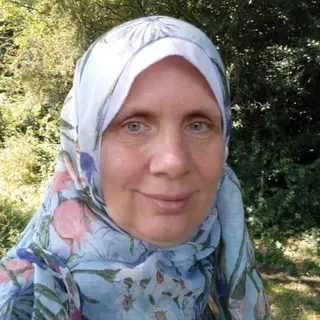
Michelle Jamal
English and MFL Specialist
London
EconomicsEnglish LanguageEnglish LiteratureEnglish skills+4 more
- Over 15 years' of experience as tutor for Primary English, Mathematics, and Science.
- An additional 5 years' of experience preparing students for SATs and Eleven Plus exams in the UK.
- Holds a Bachelors of Art in Modern Languages form the University of Wales.
- Holds A-Levels in German, French, and Economics.
- Holds a TEFL (Teaching English as a Foreign Language) Certificate.
- Uses Traditional language teaching methods along with a modern conversational approach.
English tutor and German tutor with 20 years’ overseas EFL teaching plus 5 years UK SATs and 11+ prep; teaches KS2–GCSE English and KS2–KS3 German. TEFL certified with a BA in Modern Languages, offering tailored lessons and session reports.
Send a quick enquiry from here and the Latimer Tuition team will pass it on to Michelle.