Building confidence with tricky Music topics and knowledge gaps
GCSE tuition
Expert 1-to-1 GCSE Music Tuition
We match your child with a vetted, UK-based Music specialist. Boost confidence and exam grades with zero contracts or sign-up fees.
Takes 60 seconds • No payment required • No long-term contracts
- 9 GCSE Music tutors
- Rated Excellent on Trustpilot
- DBS-checked tutors
- Pay-as-you-go
- 5000+ happy clients
Tailored tutor matching
What our Music tutors help with:
Improving exam technique, past-paper strategy, and mark-scheme confidence
Creating a clear revision plan around your child's timetable and goals
Tailored to AQA, Edexcel, OCR, and more.
Available tutors
Meet a few of our high-performing Music specialists.
Showing 6 of 9 matching tutors.

Alexander Moretto
Music Specialist
London, United Kingdom
- Over 4 years' of teaching experience.
- Currently teaching Music Production (Level 2) part-time.
- Currently a Teaching Assistant and an SEN support worker.
Alexander is a private tutor for GCSE/A Level Music and Music Technology, offering private lessons in music production, mixing and theory. He has 4+ years’ teaching, 9 years’ industry experience, is a 2022 Point Blank graduate, and an SEN support worker.
Send a quick enquiry from here and the Latimer Tuition team will pass it on to Alexander.
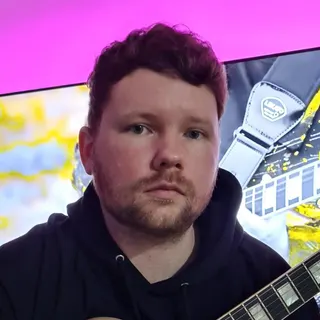
Owen Evans
Music, and Musical Instrument Specialist
Lumsden, United Kingdom
- Holds over 8 years' of online teaching experience.
- Owen holds over 18 Years' experience teaching & in the Music industry.
- Received over 1 million views & listens on Spotify, Youtube & social media.
Owen Evans is a UK guitar tutor with 18+ years in teaching and the music industry, including 8+ years of online tutoring. He supports ABRSM/Rockschool, GCSE and A-Level Music, plus songwriting and Logic Pro X production with tailored lesson plans.
Send a quick enquiry from here and the Latimer Tuition team will pass it on to Owen.

Stacy Jarvis
Music and Russian Specialist
Manchester, United Kingdom
- She currently teaches Music at a primary school and provides private Violin lessons to a diverse range of students, including children with SEN.
- Holds a Masters degree in Musicology from the University of Manchester.
- Currently studying for her Doctorate of Music at the University of Birmingham, focusing on the conceptualisation of artistic ideas in nocturnes.
Manchester-based piano tutor and Russian tutor teaching violin, Music Theory, and GCSE/A Level Music; primary/secondary school teacher since 2019 with SEN experience, Masters in Musicology and current doctoral study. Lesson reports included; homework available.
Send a quick enquiry from here and the Latimer Tuition team will pass it on to Stacy.

Darren Stone
Music Specialist
Waterlooville, United Kingdom
- Over 10 years’ of experience teaching in UK secondary schools, tailoring lessons to each student’s learning style.
- Professional composer with internationally published work in film, television, games, and advertising.
- Expert in Music Technology, GCSE Music, A-Level Music, and Level 2 Music Technology.
Darren Stone is a private tutor for GCSE/A-Level Music and Music Technology and a guitar tutor; a published composer with 10+ years in UK secondary schools, teaching composition, theory, performance and production with session reports.
Send a quick enquiry from here and the Latimer Tuition team will pass it on to Darren.

Abigail Ajala
Music, and Musical Instrument Specialist
Rushmere St Andrew, United Kingdom
- Over 11 years' of Music teaching experience.
- Holds a Bachelor of Arts in Commercial Music.
- Has been the vocal coach for the Stagecoach Performing Arts School (Ipswich).
Abigail Ajala is a guitar tutor with 11+ years’ teaching experience, BA in Commercial Music, and Stagecoach Performing Arts (Ipswich) vocal coach. She is also a piano tutor (to intermediate) teaching ukulele and music theory for ages 4+, KS1–3, GCSE and A Level; online and Suffolk-based.
Send a quick enquiry from here and the Latimer Tuition team will pass it on to Abigail.

David Knight
Music Specialist
Chippenham, United Kingdom
- Holds a Degree in Composition from Guildhall School of Music and Drama.
- Over five years of teaching experience.
- Currently teaches Composition to A-Level Music students with Trinity Laban Conservatoire of Music and Dance.
Guildhall-trained composer offering online tutoring in GCSE & A-Level Music, composition and music theory; teaches remotely or in-person in Wiltshire, with 5+ years’ experience and session reports plus optional homework.
Send a quick enquiry from here and the Latimer Tuition team will pass it on to David.
Why choose Latimer for GCSE Music tutoring
GCSE Music is not just an instrumental lesson. Good one-to-one support should connect musical skill with the GCSE assessment: performing, composing, listening/appraising, vocabulary, deadlines and exam-board expectations. With Latimer, families can compare tutor profiles, contact tutors directly and choose support that fits the student’s board, confidence and schedule.
Latimer’s model is deliberately low-friction: tutors set their own rates, families pay as they go, and online lessons make it easier to compare suitable Music tutors nationally rather than relying only on whoever is nearby.
- Browse GCSE Music tutors by subject, level, price, availability and background filters.
- Ask direct questions about the child’s exam board, instrument or voice, composition status and listening/appraising needs.
- Use tutoring for clearer understanding, better practice routines and more focused preparation, not promises of a particular result.
How to compare and contact a GCSE Music tutor
Start with the tutor shortlist, then use the first message to make the child’s situation clear. The best enquiries are specific: they tell the tutor the student’s year group, exam board, performance instrument or voice, composition stage, school deadlines, confidence level and any listening/appraising weaknesses.
After a family messages a tutor, Latimer introduces the family and tutor by email so they can discuss fit directly. Families who are unsure which profile to choose can contact Latimer for help narrowing the options.
- Compare profiles for Music, GCSE level, price, availability and tutor background.
- Message the tutor with the exam board, current pieces, composition status, deadlines and goals.
- Use the email introduction to ask about teaching style, homework, reports and availability.
- Review fit after the first session and adjust the plan if the student’s needs change.
- What to include in the enquiry
- Exam board; Year 10 or Year 11 stage; instrument or voice; current performance piece; composition draft status; mock feedback; listening/appraising concerns; budget and availability.
- What to ask the tutor
- Have you supported this board before? How do you keep composition feedback ethical? Can you help with listening papers, terminology and written answers? What homework or lesson reports do you usually provide?
Pricing, tutor types and what affects fit
Latimer tutors set their own hourly rates, so there is no single fixed GCSE Music price. Latimer’s current How it Works page describes typical hourly rates of about £20–£30 for student or graduate tutors and about £25–£50 for current or retired teachers, examiners and lecturers. Its pricing promise is simple: “The price we present is the price you pay.” Families pay after lessons rather than buying a large package upfront.
For GCSE Music, price is only one part of fit. A student who needs weekly confidence and practice accountability may not need the same tutor background as a student who needs examiner-style feedback on appraising answers or a qualified teacher’s view of school assessment expectations. Check the current hourly rate on each live tutor profile before enquiring.
- Check the current hourly rate on each live tutor profile before enquiring.
- Ask whether the tutor has experience with the child’s GCSE board, instrument or voice, composition brief and deadlines.
- A qualified teacher or examiner background can be valuable, but it is not essential for every student.
- Student or graduate tutor
- Often useful for confidence, regular practice, theory refresh, accountability and steady revision support.
- Experienced tutor or Music specialist
- Can help with performance preparation, composition technique, appraising vocabulary and practice routines where their profile matches the student’s needs.
- Qualified teacher or examiner
- Often useful when a parent wants school assessment experience, board knowledge, command-word practice or mark-scheme precision.
- Parent decision point
- Choose the background that fits the problem: confidence, practical musicianship, composition development, written-appraising technique, deadlines or study habits.
Online GCSE Music lessons and honest near-me handling
Many families search for a GCSE Music tutor near them, but Latimer is online-first. That means a student can compare suitable Music tutors nationally rather than being limited by local availability. In-person lessons may happen only where the tutor and family are close enough and both agree.
Online GCSE Music tuition can still be practical: tutor and student can discuss repertoire, review score extracts or composition drafts, practise listening/appraising questions, share documents and agree practice tasks between sessions. For performance work, families should ask each tutor how they prefer to handle audio, camera position, recordings and feedback.
- Use online lessons for national tutor choice, regular support and easier scheduling.
- Ask about the best setup for instrument, voice, sheet music, notation or listening work.
- Do not assume local in-person provision unless a specific tutor agrees it directly.
- Online one-to-one tutoring
- Best for national choice, convenience, shared documents, listening/appraising practice, composition discussion and regular homework review.
- In-person tutoring
- Possible only by direct agreement where tutor and family are local enough; it should not be treated as automatic coverage.
- Self-study and free resources
- Useful for extra practice, but less helpful when a student needs diagnosis, feedback, structure or accountability.
Tutor credentials, DBS checks and realistic outcomes
Tutor profiles should help parents check background as well as price. For GCSE Music, useful signals can include Music subject knowledge, school teaching experience, examiner background, practical musicianship, SEND-aware teaching, and experience with the student’s exam board.
Latimer’s FAQ states: “All Latimer Tuition tutors are DBS checked” and explains that tutors must hold an Enhanced DBS check with the Children’s Barred List. Families should still ask practical questions about lesson setup, parent oversight, communication and fit before starting.
A good tutor can improve understanding, practice habits, feedback loops and exam technique, but no tutor can promise a particular grade or mark.
- Use filters and direct questions if qualified teacher or examiner experience is important.
- Ask how the tutor gives feedback after lessons and how parents can stay informed.
- Avoid choosing on credentials alone: the best fit also depends on confidence, communication style and the student’s current needs.
- Qualified teacher
- May help with classroom curriculum, school assessment expectations and structured teaching routines.
- Examiner or board experience
- Can be useful for command words, mark schemes and listening/appraising precision where the tutor’s profile confirms it.
- Music performer or composer
- May support repertoire, practical confidence, theory and creative development where that matches the student’s goals.
- DBS and parent confidence
- Use Latimer’s current FAQ wording for DBS, and ask about online lesson setup and communication before the first lesson.
What GCSE Music tutoring can cover
GCSE Music tutoring should cover the whole qualification, not only instrumental practice. Across the main UK awarding bodies, the recurring skills are performing, composing and listening/appraising, but the exact wording, set works, timings and assessment tasks vary by board.
A tutor can help the student join those areas together: practising a performance with a clearer goal, building composition technique, learning musical vocabulary, understanding appraising questions, and turning school feedback into a practical revision plan.
- Performing: repertoire choice, technique, confidence, rehearsal routines and timing checks.
- Composing: briefs, melody, harmony, structure, development, notation or production choices, and lawful feedback.
- Listening and appraising: musical elements, context, unfamiliar listening, set works where relevant, command words and written responses.
- Music theory: rhythm, texture, tonality, tempo, metre, articulation, melody, harmony and accurate vocabulary.
- Performance support
- A tutor might help a student practise difficult passages, prepare solo or ensemble work, think about expression and confidence, and plan what to rehearse between lessons.
- Composition support
- A tutor can teach technique and help the student develop ideas, but assessed composition must remain the student’s own work.
- Listening/appraising support
- Lessons can include listening extracts, musical vocabulary, set-work revision where relevant, timing and answer structure.
- Theory and terminology
- Students often need confidence using precise musical language, not just recognising the sound.
GCSE Music exam boards and assessment structure
Your child’s school exam board matters. AQA, Pearson Edexcel, Cambridge OCR, Eduqas/WJEC and CCEA all involve practical and appraising skills, but they do not use identical component names, percentages, set works or paperwork. Tell the tutor the board at the first enquiry so lessons match the right specification and deadlines.
- AQA, Pearson Edexcel and Cambridge OCR examples use a 40% written/listening paper plus two 30% practical or creative components.
- Eduqas and CCEA use their own wording and areas of study, so the page should not treat every board as identical.
- For private candidates or unusual circumstances, exam-entry and NEA arrangements must be checked with the approved centre.
- AQA GCSE Music 8271
- Understanding Music is a 1 hour 30 minute exam worth 40%; Performing Music is NEA worth 30%; Composing Music is NEA worth 30%.
- Pearson Edexcel GCSE Music 1MU0
- Performing is 30%, Composing is 30%, and Appraising is a 1 hour 45 minute written exam worth 40%.
- Cambridge OCR GCSE Music J536
- Integrated portfolio is 30%, Practical component is 30%, and Listening and appraising is a 1 hour 30 minute written paper with audio recording worth 40%.
- Eduqas / WJEC
- Eduqas describes an integrated approach to performing, composing and appraising, with areas of study such as Musical Forms and Devices, Music for Ensemble, Film Music and Popular Music.
- CCEA
- CCEA’s GCSE Music lists Performing and Appraising, Composing, and Listening and Appraising as its three components, with skills such as communication, self-management and problem-solving.
Exam technique, NEA support and ethical tutoring
A GCSE Music tutor can teach exam technique: how to read command words, use musical vocabulary, plan answers, practise unfamiliar listening, review past papers and understand what the mark scheme rewards.
The boundary is especially important for performance, composition and other non-examination assessment. JCQ guidance states that “the work which you submit for assessment must be your own”. Tutors can guide, teach, question, model techniques and give feedback, but they should not complete, rewrite or over-direct assessed work.
- Useful support: practising techniques, explaining requirements, reviewing feedback and setting similar practice tasks.
- Unsafe support: writing the composition, choosing every answer, disguising another person’s work as the student’s own, or ignoring declaration rules.
- Parents should ask tutors how they handle composition, performance recordings and school feedback ethically.
- Tutor can help
- Understand the brief, develop musical ideas, practise performance, interpret feedback, structure revision and prepare for listening/appraising questions.
- Student must own
- Final composition decisions, performance preparation, written answers, declarations and submitted assessed work.
- Parent question to ask
- How will you support my child without crossing the boundary into doing assessed work for them?
Ready to compare GCSE Music tutors?
Start with the filtered tutor list, compare profiles and message a tutor with your child’s exam board, performance or composition focus, listening/appraising needs and availability. If you are not sure which tutor is the best fit, contact Latimer for help narrowing the options.
Support and clarity
Frequently asked questions
Straight answers to the questions people ask most often.
How much does GCSE Music tuition cost with Latimer?
Latimer tutors set their own hourly rates, so there is not one fixed GCSE Music price. Its current How it Works page gives typical hourly rates of about £20–£30 for student or graduate tutors and about £25–£50 for current or retired teachers, examiners and lecturers. Check the live rate on each tutor profile and compare it with the tutor’s background, availability and GCSE Music experience. Latimer’s model is pay as you go, so families are not asked to buy a large package upfront.
What does a GCSE Music tutor help with?
A GCSE Music tutor can help with performance, composition, listening/appraising, music theory, musical vocabulary, practice routines, mock feedback and exam-board preparation. The exact lesson focus should match the student’s board, school deadlines and weakest component.
Can a tutor help with GCSE Music composition or NEA?
Yes, a tutor can teach composition techniques, explain the brief, discuss feedback, set practice tasks and help the student understand requirements. The assessed work must remain the student’s own, so tutors should not write, rewrite or over-direct the submitted composition or any other assessed work.
Can online GCSE Music tutoring work for performance?
Online tutoring can work well for planning practice, discussing repertoire, reviewing sections, sharing notes and setting rehearsal goals. Ask the tutor how they handle audio, camera position, recordings or screen sharing for the student’s instrument or voice. Latimer is online-first, with in-person lessons only by agreement where practical.
Do Latimer GCSE Music tutors cover AQA, Edexcel, OCR, Eduqas and CCEA?
Latimer’s FAQ says tutors can support the main UK exam boards in general, but families should ask the individual tutor about their child’s specific board. GCSE Music component wording, set works, timings and submission rules can vary, so mention the board and school deadlines in the first message.
Should I choose a GCSE Music tutor, qualified teacher or examiner?
The right choice depends on the student’s need. Confidence, practice accountability and music theory may not require examiner experience. A qualified teacher or examiner background can be useful for assessment expectations, command words, mark schemes and board-specific preparation where the tutor’s profile confirms that experience.
What happens in the first GCSE Music lesson?
A strong first lesson usually starts with a diagnostic conversation: exam board, current pieces, composition status, listening/appraising confidence, deadlines, target support and schedule. The tutor can then agree a focus, set a practice task and decide how parent updates or lesson reports should work.
Can a tutor help after a weak mock or close to a deadline?
Yes. Tutoring can focus on a quick review of the mock, the most urgent component deadlines, targeted practice and realistic next steps. The safest wording is skills-based: clearer understanding, stronger routines, better feedback and more confident preparation, not a promised grade.
Do you offer GCSE Music tutors near me?
Latimer is online-first and does not claim local in-person GCSE Music coverage everywhere. Online tutoring lets families compare suitable Music tutors nationally. If a family only wants in-person tuition, they can ask a tutor directly, but it depends on location and mutual agreement.
Is GCSE Music the same as KS4 Music or Music Studies?
This page is for GCSE Music, the qualification usually taken during Key Stage 4. KS4 is a school-stage phrase for Years 10 and 11, not a separate qualification. Music Studies can appear in search wording, but GCSE Music is the clearer title for this page.
Can homeschool or private candidates get GCSE Music support?
A tutor can help with curriculum planning, study routines, performance practice, composition technique and exam-board preparation. Private-candidate exam entries, fees and any NEA or performance submission arrangements must be confirmed with an approved exam centre.
Can a tutor help with SEND or access-arrangement-aware preparation?
Tutors can adapt explanations, pacing, routines and practice tasks where their experience fits the student’s needs. Official access arrangements such as extra time, readers or scribes are managed by schools or exam centres, not by Latimer or the tutor.
What if the GCSE Music tutor is not the right fit?
Latimer says families are not locked into a long-term contract. If the fit does not feel right, families can return to the directory or contact Latimer for help. Cancellation and rescheduling details should still be discussed directly with the tutor because practical arrangements can vary.
Related tutor pages
Explore similar tutor searches
Continue comparing nearby subjects and levels so you can find the right tutor fit for your next step.
Find a GCSE History tutor who fits your exam board
Compare online GCSE History tutors by topic knowledge, teaching background, price and availability. Send the tutor your child’s board, topics and goals, then use the intro conversation to check fit before starting lessons.
Find a GCSE Psychology tutor
Compare online tutors for board-aware GCSE Psychology support, from research methods and command words to mocks, revision planning and confidence.
A Level Music Tutor
Compare online A-Level Music tutors for performance, composition and appraising support, then message the tutor who fits your child’s exam board, goals and schedule.
GCSE Media Studies tutor
Compare online tutors who can help with media language, representation, exam technique and responsible NEA preparation for GCSE Media Studies.