
Online one-to-one music theory tuition

Find a Grade 6 Music Theory tutor

Work on harmony, melody writing and score reading for your exam board, or develop these skills without an exam. Tell us where written theory becomes difficult and what you want to achieve.

  • One-to-one tuition
  • Pay as you go
  • Direct tutor contact
Choose support for the theory qualification you are studying. ABRSM and Trinity set different tasks and use different UK exam formats. Bring your board, recent work and musical goals so lessons can start with the skills you need.

The form controls become available when the enquiry form has loaded.

Grade 6 Music Theory tuition enquiry

Tell us what you know, skip anything you’re unsure about, and add a short description if you skip both subject and level.

  1. Tutoring brief
  2. Contact details

Final question

Contact details

Where should we send tutor options?

We’ll reply by email. Mobile is an optional fallback only.

Your tutoring brief

Subject
Music
Level
Grade 6

Free matching request skip anything you’re unsure about pay as you go when lessons begin.

We use your contact details to reply to this enquiry. See our Privacy Policy for other uses.

How one-to-one tuition can help

  • Choosing and explaining chords when writing harmony
  • Developing melodies within the question’s musical constraints
  • Turning corrections into accurate, independent written answers

Name ABRSM or Trinity, or tell us you are studying without an exam.

Available tutors

Compare tutors for your theory goals

Check each tutor’s experience with your theory board and Grade 6 writing tasks. Share a recent question when discussing fit, or use the matching request to describe the help you need.

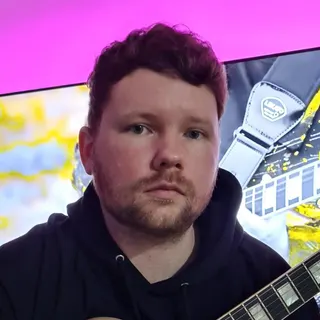
Portrait of Owen Evans

Owen Evans

Music, and Musical Instrument Specialist

Lumsden, United Kingdom

£30.00 per hourDBS checkediAccepting enquiries
GuitarMusicMusic PerformanceMusic Technology+1 more
  • Holds over 8 years' of online teaching experience.
  • Owen holds over 18 Years' experience teaching & in the Music industry.
  • Received over 1 million views & listens on Spotify, Youtube & social media.
  • A professional songwriter in all genres.
  • Over 10 years' experience using Logic Pro-x.
  • Owen has worked with Grammy-winning producers.

Owen Evans is a UK guitar tutor with 18+ years in teaching and the music industry, including 8+ years of online tutoring. He supports ABRSM/Rockschool, GCSE and A-Level Music, plus songwriting and Logic Pro X production with tailored lesson plans.

Send a quick enquiry from here and the Latimer Tuition team will pass it on to Owen.

Start with the Grade 6 theory syllabus

Grade 6 asks you to use theory to write and explain music. Recognising a chord is a starting point; choosing it for a melody, following the movement of its notes and checking the result are useful lesson tasks. Tell the tutor whether you are preparing for ABRSM, Trinity or studying without an exam.

ABRSM Grade 6
Work includes harmony in four parts or for keyboard, completing a melody, and answering questions about scores. Figured bass uses numbers below a bass note to specify intervals above it. Grade 6 harmonic work extends to any key, so practise turning these instructions into written music beyond the most familiar keys. The exam is a three-hour paper.
Trinity Grade 6
Tasks include an eight-bar melody, a harmonic sequence, changing the layout of four vocal parts, and completing a chorale ending. The melody can use pentatonic or blues scales as well as major, minor or Aeolian material. The exam lasts three hours. In the UK, Trinity theory is digital-only after May 2025; practise using its demonstration platform as well as writing music.

Harmony example: why the seventh matters

Try this short harmony exercise relevant to ABRSM Grade 6. In C major, a melody moves from F to E while the bass moves from G to C. For this exercise, both melody notes must belong to their chords.

A first attempt might put a G major triad under F. But that triad contains G–B–D, so it leaves out the given melody note. The dominant seventh chord, G–B–D–F, contains it. Move next to the tonic chord, C–E–G: the F, which is the seventh of the first chord, moves down by step to E. This follows the usual resolution of a chordal seventh in this style.

The harmonic sketch is V7 → I. V means a chord built on the fifth scale degree; I means the tonic, built on the first. A useful explanation is: “I chose G7 because the bass is G and the melody needs F; F then resolves to E over C.” This explains the choice instead of naming two chords from memory. It is a chord outline, not a complete four-part answer: the remaining voices still need to be written and checked.

For a follow-up, move the idea to G major: D–F♯–A–C → G–B–D, with melody C → B. Can you identify the seventh and explain its movement without looking back?

Trinity melody writing: stay within the set scale

Trinity’s Grade 6 melody task specifies the clef, time signature, instrument and tonality. Before writing eight bars, check which notes the question allows.

For this practice example in C major pentatonic, the available notes are C, D, E, G and A. A sketch such as C–D–E–G–A–G–F–E slips into the full major scale by adding F. Replacing F with D gives C–D–E–G–A–G–D–E, which stays within the five-note set.

That correction checks pitch choice; it does not yet supply an eight-bar melody. Next, give the idea a rhythm that fits the set time signature, develop it across the required length, and keep it within the named instrument’s range. A useful sign of progress is being able to spot an out-of-scale note and explain the correction before the tutor points it out.

Turn feedback into the next piece of practice

Agree a routine the learner can sustain between lessons. For example, separate a short harmony task from a melody-writing task, then return to the corrected work after a break. This is a suggested practice pattern; the amount of work and lesson spacing should follow the starting point and other commitments.

  1. Find the cause of an error

    Bring an attempted question with the working left visible. A wrong chord may come from misreading the key, misunderstanding an inversion or losing track of a moving voice. Correct the reasoning before repeating the whole exercise.

  2. Use a new question to check understanding

    After correcting a seventh-chord resolution, try the same idea in another key. After repairing a melody, write a fresh phrase with the same constraints. Improvement means transferring the method, rather than remembering the corrected page.

  3. Build towards independent completion

    Start with accurate short answers, then combine question types and introduce timing. Keep a small error list and compare later work with it. For exam preparation, include complete practice papers or the board’s digital practice environment before deciding on entry.

Make the notation easy to share and explain

Latimer offers online one-to-one tuition. For theory lessons, prepare manuscript paper, a pencil, the correct board’s materials and a clear way to show your working. A readable photo or scan lets the tutor see the exact accidental, bass figure or rhythm that caused trouble. Test whether the camera or screen view makes small notes legible before the lesson.

A keyboard can be a useful learning aid for hearing the two chords in the example, but discuss materials with the tutor before buying equipment or software. Microsoft Teams is Latimer’s default lesson platform; another platform can be agreed. In-person lessons require an individual arrangement.

If dense notation or unfamiliar terms are difficult, ask for one stave at a time, larger examples and an explanation spoken aloud before independent writing. Returning adults can start with a short review of keys and notation. Tell the tutor what helps the learner concentrate and read comfortably; exam access arrangements are a separate decision for the exam board.

Choose a theory tutor and agree the lesson plan

Latimer’s matching request is free. Give the learner’s board, recent theory study, one troublesome question and any intended exam window. Include “Grade 6 Music Theory” in the description so the teaching goal is clear.

  1. Check the teaching fit

    Ask about preparation for your specific theory board and level, how written work is reviewed, and how melody and harmony are taught. A free introductory meeting can cover goals, approach and arrangements; it is not normally a full teaching lesson.

  2. Agree what the fee covers

    Each tutor sets their hourly rate; check the current profile and confirm lesson length. Ask whether written work is reviewed during lessons or between them, and agree any extra charges before booking. Compare the proposed feedback and practice plan alongside price.

  3. Start with priorities you can check

    Agree the first topics, a manageable amount of independent work and when to review progress. Latimer invoices after lessons on a pay-as-you-go basis. An exam date can guide planning, but it should not replace evidence that the learner can answer independently.

Plan the exam entry as well as the lessons

Agree who will book the exam, check the current fee and deadline, and handle any access-arrangement application. Use the chosen board’s current instructions for the intended sitting. Do this before committing to an exam date or buying a book that may suit a different format.

For ABRSM, include handwritten practice under paper-exam conditions. For Trinity in the UK, try the official digital demo and check its device and room requirements. Lesson video calls and exam supervision have different rules: learning online does not determine how the exam is taken.

Support and clarity

Frequently asked questions

Straight answers to the questions people ask most often.

Do I have to pass Grade 5 before taking Grade 6 Music Theory?

Neither ABRSM nor Trinity requires a previous theory pass for entry to Grade 6 theory. Both build on earlier knowledge, so entry permission is different from readiness. A tutor can review notation, keys and intervals before starting the newer writing tasks.

How long will Grade 6 theory preparation take?

Start with an attempted paper or a few questions across the syllabus. Someone who reads notation securely but needs help with harmony has a different starting point from someone returning after a long gap. Agree a provisional plan and revise it using independent work, rather than a promised number of lessons.

Can I study Grade 6 theory without taking an exam?

Yes. You can agree learning goals such as understanding chord movement, writing a melody or following a score. Use the syllabus to organise study if helpful, and connect the exercises to music you play, sing or compose. Tell the tutor that broader musicianship is the goal so exam timing does not drive every lesson.

Do I need an instrument or an accompanist for these theory lessons?

The starting materials are readable notation and a way to share written work. There is no repertoire performance or accompaniment task in the Grade 6 theory assessments described here. You can use an instrument to explore the sound of an exercise in a lesson; that does not make it permitted exam equipment.

Can lessons help if I understand explanations but struggle to write answers?

Make the first attempt small: one chord choice, one bass figure or one corrected bar. Ask the tutor to let you explain the reason aloud, then write the answer and try a new example independently. If handwriting, reading or other access needs may affect the exam, raise them early and check the board’s arrangements.

Further information

Useful links and resources

Related tutor pages

Explore related tuition options and guidance for choosing the right support.