One-to-one English language tuition

Find online ESL tutors

Build the English you need for daily life, school or work. Tell us what is difficult now, and look for a tutor who can teach at your pace through one-to-one online lessons.

  • One-to-one tuition
  • Pay as you go
  • Direct tutor contact
ESL means English as a second language. You may be learning English alongside several other languages. Start with something you want to do more easily: join a conversation, understand a school task or write a clear message. You do not need to know your English level before asking for help.

The form controls become available when the enquiry form has loaded.

Online ESL Tutors tuition enquiry

Tell us what you know, skip anything you’re unsure about, and add a short description if you skip both subject and level.

  1. Tutoring brief
  2. Contact details

2 questions remaining

Tutoring brief

What level is the tuition for?

Choose a level

Choose a suggestion or type your own answer. You can skip this if you’re unsure.

This form works best for one learner at one level and up to six subjects. If your circumstances are more complicated, email us at Contact@LatimerTuition.com so you can explain everything properly.

How one-to-one tuition can help

  • Finding words and joining in when spoken English moves quickly
  • Understanding instructions and turning ideas into clear English sentences
  • Getting corrections you can use, with practice at the right level

Available tutors

Compare tutors for your English learning goals

6 tutor profiles selected

Read each profile for experience with the learner’s age, current English and intended use. For a child, a beginner or a named English test, discuss that need with the tutor before arranging lessons.

Portrait of Valentina Proycheva

Valentina Proycheva

English and TEFL Specialist

Maidstone

£20.00 per hourDBS checkediAccepting enquiries
English LanguageEnglish LiteratureTEFL: Teaching English as a Foreign Language
  • Over 5 years' of experience teaching English.
  • Currently studying Psychology at Arden University.
  • Qualified to teach English as a Foreign Language with her TEFL certificate.

Valentina Proycheva is a GCSE English tutor with TEFL certification, offering personalised, interactive lessons for learners at KS2, KS3 and GCSE level.

Send a quick enquiry from here and the Latimer Tuition team will pass it on to Valentina.

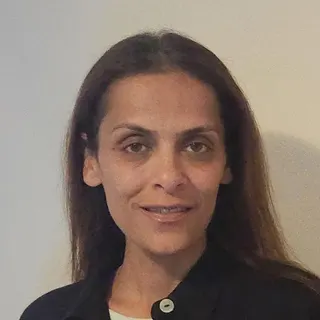
Portrait of Afshan Khanani

Afshan Khanani

English Specialist

Milton Keynes, United Kingdom

£25.00 per hourDBS checkediAccepting enquiries
English LanguageEnglish LiteratureMathematicsTEFL: Teaching English as a Foreign Language
  • She holds over 6 years' of school teaching and tutoring experience.
  • Currently a Learning Advisor, and an SEN support worker for a UK secondary school.
  • Holds a Master of Business Administration in Marketing and Business Management.
  • Certified TESOL (Teaching English to Speakers of Other Languages) tutor from Trinity College.
  • To progress towards her DipTESOL (Diploma in Teaching English to Speakers of Other Languages).
  • Currently teaching Mathematics, English language, and English Literature to KS2, and English as a Second Language to foreign students of all ages and all levels.

Afshan Khanani is an English tutor and TESOL-certified Learning Advisor with 6+ years’ experience, supporting SEN/EHCP learners. She offers online tutoring in KS2 English and Maths, KS3 English Literature, and EFL for all ages.

Send a quick enquiry from here and the Latimer Tuition team will pass it on to Afshan.

Portrait of Sophie Clark

Sophie Clark

Art, and English as a Foreign Language Specialist

London

£25.00 per hourDBS checkediAccepting enquiries
ArtArt and DesignFine ArtHistory of Art+1 more
  • Currently teaches Art, and English Language to students of all ages through personalised online lessons.
  • Holds a Bachelor of Arts in Fine Art, and a Diploma in Professional Art Studies from Central Saint Martins, University of the Arts London.
  • Over 8 years' of experience working in the world of Art, including roles at major museums and galleries in London.
  • Holds a TEFL certificate in teaching English as a foreign language from the World TEFL Institute.
  • Has experience teaching at a language school in Spain and online.
  • Skilled in practical Art techniques including painting, collage, printmaking, and ceramics.

Sophie Clark is an Art tutor for GCSE, AS Level, A-Level and KS3 students, combining a Fine Art background with practical experience in painting, collage, printmaking and ceramics.

Send a quick enquiry from here and the Latimer Tuition team will pass it on to Sophie.

Portrait of Ana Ramirez Centeno

Ana Ramirez Centeno

Qualified Spanish & TEFL Teacher

London, United Kingdom

£28.00 per hourDBS checkediAccepting enquiriesQualified teacher
SpanishTEFL: Teaching English as a Foreign Language
  • Currently teaching Spanish to KS3, GCSE, and A-Level students in UK Secondary Schools.
  • Experience with SEN students, providing both 1-1, and in-class Spanish teaching.
  • Works with private students on a One-2-One basis at all Spanish levels.
  • Ana nurtured students struggling to learn a foreign language and tailored teaching to enhance competency.

Ana is a qualified Spanish teacher with a PGCE in Modern Foreign Languages, supporting learners from KS1 to KS5 and adults through tailored, creative teaching.

Send a quick enquiry from here and the Latimer Tuition team will pass it on to Ana.

Portrait of Gayle Watson

Gayle Watson

English and TEFL Specialist

Stevenage

£28.00 per hourDBS checkediAccepting enquiries
English LanguageEnglish LiteratureEnglish skillsTEFL: Teaching English as a Foreign Language
  • Gayle has over 10 years' of tutoring experience.
  • Holds a Bachelor of Arts in English and Journalism.
  • In addition to English (as part of the UK curriculum), Gayle also assists with TEFL.

Gayle Watson is an English tutor and TEFL specialist with 10+ years’ experience, supporting 11+, 13+, KS2 and KS3. She offers online tutoring or face-to-face lessons with personalised plans, session reports and optional homework.

Send a quick enquiry from here and the Latimer Tuition team will pass it on to Gayle.

Portrait of Darcy Ind

Darcy Ind

French and Spanish Specialist

Bucknell, United Kingdom

£30.00 per hourDBS checkediAccepting enquiries
FrenchSpanishTEFL: Teaching English as a Foreign Language
  • Holds a Bachelor of Arts in Modern Languages (French, Spanish and German) from the University of Sheffield.
  • Holds over 4 years' of online tutoring experience both online, and in the classroom.
  • Darcy designs all her lesson plans from scratch to suit the individual's needs and learning goals.
  • Offers tutoring to KS2/3, GCSE, and AS/A-Level cohorts.

Darcy Ind is a French tutor and Spanish tutor with a BA in Modern Languages (University of Sheffield) and 4 years’ experience; she offers online tutoring for KS2–3, GCSE and AS/A-Level with tailored lesson plans and session reports.

Send a quick enquiry from here and the Latimer Tuition team will pass it on to Darcy.

What do you need English for?

The same learner can be comfortable chatting but need help reading instructions or writing an explanation. Give the tutor one real example of the difficulty. This is more useful than asking for “better English” without a situation in mind.

Everyday conversations
Practise a situation such as introducing yourself, asking for information or explaining what happened. Include listening to the other person and responding, rather than preparing a speech only.
English for school
Share the child’s age, school stage and a current task. A pupil may understand the topic but need words and sentence patterns to explain it in English. Language support should connect to the work they are doing.
Work or further study
Name the communication task: contributing to a meeting, understanding feedback or writing a request. Use a short, non-confidential example so the tutor can see the language and level of detail needed.
A qualification or English test
Provide the exact test or course name, level, target and date. General conversation practice and preparation for a particular assessment need different plans; confirm that the tutor knows the chosen route.

A small correction that makes the meaning clearer

In this beginner practice example, the question is: “What did you do yesterday?” A learner replies: “Yesterday I go to the park.” The listener can understand the event, but go needs to change to went because the visit happened in the past. Went is the past form of go; it is not goed.

The corrected answer is “Yesterday I went to the park.” To help the learner use the change, keep the sentence visible, say it aloud together, then ask the question again with the written answer hidden. The purpose is to connect the meaning of yesterday with the verb form, rather than just copy a correction.

For a follow-up, give the words the shop and explain that a shop is a place where you buy things. Ask the learner to change the destination: “Yesterday I went to the shop.” When that feels manageable, they can name somewhere they really went. A useful sign of progress is choosing went in a new answer without being shown the whole sentence.

Online, the tutor and learner can use a shared written sentence while listening and speaking. Let the learner finish a short speaking attempt before giving feedback, so they have time both to communicate and to correct a chosen point.

Use the screen for more than a conversation

A useful online English lesson gives the learner something to understand, something to say or write, and feedback they can act on. These are examples of tasks to discuss with a prospective tutor; the starting difficulty should decide which one matters most. For the day-and-time examples below, first show Thursday on a calendar and ten and eleven on a clock if these words are new.

  • Listen and check

    Use a short spoken message: “The meeting is on Thursday at ten.” Ask for the day and time, then practise “Could you say the day again?” if needed. Show the written message afterwards to check what was heard.

  • Read and reply

    Read “Can you meet on Thursday at ten?” Decide whether the answer is yes or no before writing it. For example: “I can meet on Thursday, but not at ten. Is eleven possible?” This changes the time clearly while keeping the day.

  • Explain a school answer

    Use the actual question and a picture, diagram or key words where helpful. Let the pupil show what they understand, then help them express that meaning in an English sentence. Check the subject answer as well as the language.

Choose a tutor and agree the first learning goal

Latimer tutors offer a free introductory meeting before paid lessons. Use it to discuss the learner’s needs and the teaching approach; it is not normally a full teaching lesson. Look for relevant experience on the individual profile and ask how that experience fits this learner.

  1. Describe the learner

    Give their age if they are a child, the languages they use, a task they find difficult and any deadline. If English forms are difficult, a parent or trusted helper can help put the request into words.

  2. Discuss a starting task

    For a beginner, this might be a picture and a few spoken questions. For another learner, it could be a short email or school answer. Ask the tutor to check speaking, listening, reading and writing as relevant, rather than judging everything from conversation.

  3. Agree support and practice

    Explain any established learning or access needs. Discuss simple instructions, pictures, written prompts or breaks. Choose a small task the learner understands and can actually try between sessions.

  4. Review a fresh attempt

    Agree when to revisit the goal using a similar task with new details. Compare what the learner can do independently and which prompts are still needed. Use that evidence to decide the next priority and whether the lesson schedule needs to change.

Prepare for an online English lesson

Latimer’s service is online-first and one-to-one. Microsoft Teams is the default meeting platform; you and the tutor can agree another. Try the agreed setup before the first teaching session, especially when hearing unfamiliar English is already demanding.

  • Check that both people can hear speech clearly. Try the microphone, speakers or headphones, and reduce background noise.
  • Use a screen on which the learner can comfortably read a short text while seeing the tutor. Have paper and a pen ready if writing by hand is easier.
  • Agree how to send a worksheet or short piece of writing and where the learner will find corrected sentences and the next practice task.
  • If captions, larger text, slower speech or another adjustment would help, check the agreed platform and teaching method with the tutor in advance.
  • For a child, agree who will help them join, where an adult will be available and how the parent and tutor will communicate. Read the safeguarding guidance before lessons.

Would online or in-person learning suit you?

Online tuition removes the journey to a lesson and lets you use spoken and written English together on screen. Consider whether the learner can hear clearly, read the material and take part comfortably in the space available. A quiet conversation may work well online; a learner who needs substantial hands-on help may need an adult nearby or a different arrangement.

If you want in-person lessons or a mix of formats, discuss location, travel and practical support with the individual tutor. In-person teaching needs a separate agreement. When formats change, keep the same learning goal and an accessible record of what to practise next.

Cost, lesson frequency and practice

Each tutor sets their own hourly rate, shown on their profile. Latimer invoices for lessons after they take place on a pay-as-you-go basis. A tutor-matching request is free. Compare the individual rate with the proposed teaching plan and what the learner will be able to practise between sessions.

There is no single lesson frequency or number of weeks that fits every English learner. Agree a starting schedule around the goal, current skills and time available for practice. A short, understood task is more useful than a long worksheet the learner cannot start. For the past-tense example above, practice could mean saying one sentence about yesterday, then checking whether went was needed.

Ask what will be reviewed next and keep the plan manageable alongside school, work or family commitments. Do not treat a promised date for “fluency” as evidence of a suitable tutor.

Support and clarity

Frequently asked questions

Straight answers to the questions people ask most often.

Are ESL, EAL and ESOL the same thing?

They are related terms used in different settings. ESL means English as a second language. EAL means English as an additional language and is widely used for school pupils. ESOL means English for speakers of other languages and is often used for adult learning. Tell the tutor about the learner and their goal; the abbreviation alone does not identify their English level or a qualification.

Can I enquire if I am a complete beginner?

Yes. Describe what you can already understand or say, even if that is very little. You can ask for help writing the enquiry. Confirm that the tutor teaches beginners and discuss how pictures, demonstrations and simple written words will support the first lessons. Do not assume that the tutor speaks your other language.

Does a child who speaks confidently still need language support?

Possibly. Everyday conversation and the language needed to read a school text or explain an answer can make different demands. Share a piece of schoolwork and teacher feedback so the tutor can look at the particular difficulty. Speaking confidently does not settle whether reading and writing support would help.

Is ESL tuition the same as GCSE English tuition?

No. Learning English as an additional language and studying a named GCSE course are different goals, although one pupil may need both. If the learner is taking GCSE English, include the exact subject, exam board and current work in the enquiry so the tutor can address the right requirements.

Can I use these lessons for IELTS or another English test?

State the exact test, required result and date in your request, and confirm the tutor’s experience with it. Check the requirements with the organisation asking for the result before choosing a test. General English lessons do not by themselves establish suitability for a particular exam or application.

Do I have to stop using my home language?

No. For children learning English, the home language remains useful for communication and learning. You can discuss ideas or check meaning in a familiar language, then work on expressing them in English. Agree a practical approach with the tutor and share relevant school guidance.

Further information

Useful links and resources

Related tutor pages

Explore related tuition options and guidance for choosing the right support.