Latimer Tuition

AQA GCSE German Tutors

Compare German tutors listed for GCSE support, then use profiles or matching help to confirm current AQA 8662 experience, tier fit and availability.

  • One-to-one tuition
  • Pay as you go
  • Direct tutor contact
Compare German tutors with GCSE relevance, then check each current profile or ask for matching help to confirm familiarity with the AQA GCSE German 8662 specification, the learner’s tier and priority skills. This page explains what the filters establish, what still needs tutor-specific evidence, and how to compare teaching approach, feedback, price, availability and fit without assuming that every listed tutor is an AQA specialist.

The send button becomes available when the enquiry form has loaded.

AQA GCSE German tuition enquiry

Tell us the subject, level and priorities to submit a free matching request.

Your contact details

We will use these details to reply to this enquiry.

Tutoring details

Choose a subject and level to describe the tutoring request.

I'm looking for

  • German
  • GCSE
Change subject or level
Subject

Choose at least one subject.

Required. Choose at least one option.
Level

Choose at least one level.

Required. Choose at least one option.

Free matching request choose a subject and level pay as you go when lessons begin.

We use your contact details to reply to this enquiry. See our Privacy Policy for other uses.

How one-to-one tuition can help

  • Subject expertise matched to the learner’s course and level
  • Clear explanations, worked examples and targeted practice
  • Lessons focused on the named topics, question types and assessed skills

Available tutors

Compare German tutors for GCSE support

5 tutor profiles selected

These profiles are filtered for German and GCSE. Check each current profile or ask through an enquiry whether the tutor has experience with AQA GCSE German 8662, the learner’s tier and the skills that need the most support.

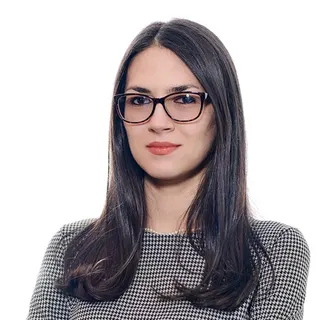
Portrait of Andra Popovici

Andra Popovici

English, Mathematics, and Science Specialist

Sheffield, United Kingdom

£26.00 per hourDBS checkediAccepting enquiriesHigh performing tutor
BiochemistryBiologyChemistryComputer Science+12 more
  • Holds a Bachelors of Science in Biomedical Science at the University of Sheffield.
  • Holds Baccalaureate's (A-Levels equivalent) in Mathematics, Chemistry, and Language & Literature.
  • Currently a Teaching Assistant and an SEN support worker for secondary school students, providing both 1-1 and in-class (group) support.
  • Andra uses a methodical approach for learning, and keeps constant track of progress to improve results for examinations.
  • Holds a Grade 8 in Piano Performance from Associated Board of the Royal Schools of Music.

Andra Popovici is a gcse maths tutor and english tutor with a BSc in Biomedical Science (University of Sheffield) and experience as a teaching assistant and SEN support worker, offering methodical 1:1 support with progress tracking and lesson reports.

Send a quick enquiry from here and the Latimer Tuition team will pass it on to Andra.

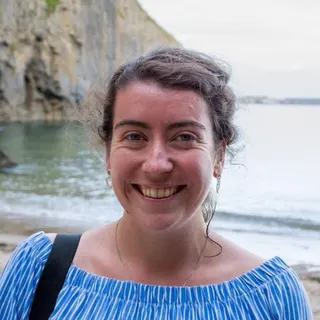
Portrait of Axenia Raulet

Axenia Raulet

MFL and Art Specialist

St Austell

£30.00 per hourDBS checkediAccepting enquiries
ArtFrenchGermanHistory of Art+1 more
  • Over 10 years' of experience in intercultural communication, art projects, and education.
  • Holds a Masters of Art in Didactics from Unibo, Bologna University, Italy.
  • Also holds a Bachelors of Art in Intercultural Mediation from La Sapienza University, Rome, Italy.
  • Currently pursuing a career as a professional artist.
  • Fluent in 8 European languages.
  • Adopts a trauma-informed approach to ensure a safe and respectful space for all students.

Axenia Raulet is a French tutor, Italian tutor and German tutor with 10+ years’ experience, a Master’s in Didactics (Unibo Bologna) and fluency in 8 European languages. She also teaches GCSE/A Level Art and History of Art with a trauma-informed approach.

Send a quick enquiry from here and the Latimer Tuition team will pass it on to Axenia.

Portrait of Georgia Wager

Georgia Wager

English, Humanities, and Language Specialist

Norfolk, United Kingdom

£35.00 per hourDBS checkediAccepting enquiries
11+ (general)English LanguageEnglish LiteratureGerman+3 more
  • Georgia has over 4 years' of experience teaching students in 11+, KS2/3, GCSE, and AS/A-Level cohorts.
  • Holds a Teaching English as a Foreign Language (TEFL) qualification.
  • Holds a Bachelor of Arts in European Studies from the University of Kent.
  • Holds A-Levels in German, Business Studies, and History.
  • Holds 15 A*-C grades at GCSE level.

Georgia Wager is a GCSE English tutor with 4+ years' experience across 11+, KS2/3, GCSE and AS/A-Level, also teaching History, Spanish and German. TEFL-qualified (BA European Studies, University of Kent) with lesson reports and optional homework.

Send a quick enquiry from here and the Latimer Tuition team will pass it on to Georgia.

Portrait of Silvia Vescu

Silvia Vescu

Qualified Humanities & Business Teacher

Montrose, United Kingdom

£45.00 per hourDBS checkediAccepting enquiriesQualified teacher
Business StudiesCitizenshipEconomicsEnglish Language+13 more
  • Holds a PGCE from University College London.
  • Holds an LLB (Hons) in Law, 2:1, from King's College London, and is a qualified lawyer.
  • Currently teaches A-Level and GCSE Economics and Business, alongside Sociology, Politics, Law, English Language and English Literature.
  • Has delivered hundreds of one-to-one online lessons and uses a Socratic approach, tailored to each exam board and specification.

Silvia Vescu is an economics tutor and law tutor for GCSE/A-Level, PGCE-trained at UCL with an LLB from King’s. She offers online tutoring with Socratic, exam-board tailored 1:1 lessons plus session reports.

Send a quick enquiry from here and the Latimer Tuition team will pass it on to Silvia.

Portrait of Alex Norval

Alex Norval

Qualified French, German, and Spanish Teacher

Llandysul

£40.00 per hourDBS checkediAccepting enquiriesQualified teacher
FrenchGermanSpanish
  • Holds a Postgraduate Certificate in Education (PGCE), with Qualified Teacher Status (QTS) in Modern Foreign Languages.
  • More than six years of experience as a full-time teacher.
  • Tutored Private Online One-2-One students while she was a full-time teacher.
  • Currently shifting her focus from teaching in UK secondary schools, to tutoring full-time.
  • Able to assist KS2/3, GCSE, and AS/A-Level cohorts.
  • Experience as an examiner within the AQA exam board.
  • Holds a Bachelor of Arts in French, German, and Spanish from the University of Exeter.

Alex Norval is a qualified French tutor, German tutor and Spanish tutor (PGCE, QTS) with 6+ years' UK secondary teaching and online 1-to-1 experience, including AQA GCSE German examining. Supports KS2/3, GCSE and AS/A-Level; lesson reports and optional homework.

Send a quick enquiry from here and the Latimer Tuition team will pass it on to Alex.

What this AQA GCSE German shortlist shows

German and GCSE are the two criteria built into this tutor list. AQA is not a directory filter, so appearing here does not by itself show that a tutor has taught or examined the current 8662 specification. Use the live profile to check AQA experience, Foundation or Higher tier work, credentials, rate and availability. Where the profile is not specific enough, ask for matching help and share the exam board, tier, weakest skills and timetable. Treat the card order as a browsing aid rather than proof that one tutor is better than another.

  • Filter-backed: German and GCSE.
  • Profile-backed: AQA 8662 experience, credentials, price and availability.
  • Matching-backed: exam board, tier, weak skills, timetable, budget and preferred tutor background.
  • Not established by inclusion alone: AQA approval, examiner status, immediate availability or a particular result.

How to compare AQA GCSE German tutor profiles

Start with the evidence that matters for this learner. Current AQA knowledge and recent GCSE German experience are usually more useful than a broad badge, while price or availability only help when the tutor can address the right tier and weak skills.

Current specification and tier
Check familiarity with AQA 8662, recent GCSE German experience and Foundation or Higher tier work. Ask which current AQA materials and task formats the tutor uses.
Weak skills and feedback
Match the tutor to listening, dictation, reading aloud, spontaneous speaking, translation, grammar or writing needs. Ask how errors will be explained, practised again and reviewed.
Credentials
Verify QTS, classroom teaching or examiner experience on the current profile. Examiner evidence should identify AQA GCSE German specifically when that distinction matters.
Price and availability
Use the live profile for the current rate and enquiry status, then confirm the required slot and likely start date directly.
Rapport and lesson format
Use the introductory conversation to test whether the learner feels able to speak German, make mistakes and ask questions comfortably.
Independence and safeguarding
Ask how between-lesson practice, progress review, parent communication and current safeguarding information will work.

AQA GCSE German 8662 at a glance

Specification 8662 is the current AQA GCSE German course; 8668 is the outgoing legacy course. The revised course was first taught from September 2024 and first assessed in summer 2026. Listening, Speaking, Reading and Writing each contribute 25%, and the learner must take the same tier across all four components. Across the qualification, AO1 is weighted at 35%, AO2 at 45% and AO3 at 20%; the objectives cut across components rather than matching one paper each. The subject content is organised around People and lifestyle, Popular culture, and Communication and the world around us, with prescribed vocabulary and grammar applied across contexts.

Listening
Foundation: approximately 35 minutes and 40 marks. Higher: approximately 45 minutes and 50 marks. The component tests comprehension and dictation.
Speaking
A 50-mark non-exam assessment. Foundation lasts 7–9 minutes and Higher 10–12 minutes, each with 15 minutes of supervised preparation. Tasks include role-play, reading aloud, short unprepared conversation and photo-card discussion.
Reading
Foundation lasts 45 minutes and Higher one hour, for 50 marks. Tasks include comprehension, inference and German-to-English translation.
Writing
Foundation lasts 1 hour 10 minutes and Higher 1 hour 15 minutes, for 50 marks. Both tiers include English-to-German translation and tier-specific writing tasks.

Revision priorities for the current specification

Effective revision should start with the current specification, the learner’s tier and a diagnosis of the weakest component or sub-task. AQA prescribes 1,200 lexical items at Foundation and a further 500 at Higher, alongside separate tier-aware grammar requirements. Those lists matter, but they need to be used inside listening, speaking, reading, translation and writing tasks rather than learned in isolation. The revised course directly assesses dictation and reading aloud, making sound–symbol knowledge relevant alongside translation in both directions. A tutor should connect pronunciation, spelling, spontaneous responses and written accuracy to current task formats and mark schemes rather than relying only on topic lists or memorised scripts.

  • Listening comprehension and dictation accuracy.
  • Reading aloud, pronunciation and spontaneous responses.
  • German-to-English and English-to-German translation.
  • Tier-appropriate vocabulary retrieval and grammar control.
  • Task fulfilment, assessment language and actionable writing feedback.
  • Current 8662 papers, sample materials and mark schemes.

What effective tutoring may look like

One useful lesson pattern is to diagnose a narrow need, model the task, guide practice, give specific feedback, let the learner apply that feedback and agree focused independent work. This is a comparison framework, not a promise that every tutor follows the same sequence. Ask how mock papers, homework or an error log will be used to change priorities and build independence. Homework, reports and between-lesson practice vary by tutor, so agree expectations before booking.

  • Diagnosis before a high volume of practice.
  • Modelling and guided practice before independent attempts.
  • Specific feedback with a chance to act on it.
  • An error log or progress record that changes future priorities.
  • Independent practice linked to the diagnosed need.
  • Practice with current formats without using undisclosed live assessment material.

Tutor, qualified teacher or examiner?

GCSE German experience is the starting point. QTS, classroom teaching or examiner experience may be valuable when it matches the learner’s need, but each is tutor-specific evidence rather than a guarantee of better results. QTS is a formal professional status in England; examiner claims should identify the relevant subject and specification.

GCSE German tutor
May suit regular language practice, confidence, accountability or a particular weak skill. Check recent GCSE German experience and the current specification used.
Qualified teacher
QTS is a formal status in England. Verify the claim where classroom, curriculum or school-experience knowledge is important to the learner.
Examiner experience
Look for current, subject-specific evidence such as AQA GCSE German examining. Examining another subject or qualification is not the same evidence.
Human matching
Useful when the family needs a particular combination of AQA familiarity, tier, timetable, budget and tutor background.

Compare price, availability and lesson frequency

Use each current profile for the listed rate and availability. Latimer tutors set their own rates, so a page-wide AQA GCSE German price range would quickly become misleading. The right lesson frequency depends on the time available, the number of weak areas, school support, independent practice, budget and the tutor’s schedule.

Price
Compare the live listed rate with the experience and support the learner actually needs; do not assume a higher price or a credential guarantees better fit.
Availability
Read the current card or profile and confirm the required slot and likely start date directly. Shortlist inclusion does not promise an immediate start.
Frequency
Base the decision on time to mocks or exams, the breadth of gaps, school support, independent practice, budget and tutor advice.
Value
Look for diagnosis, useful practice, actionable feedback, progress review and increasing independence—not a badge alone.

From enquiry to lessons

Latimer currently describes an online-first process. Start with the filtered profiles, message a tutor with the learner’s exam board, tier and priority skills, and use the free introductory meeting to test fit before paid lessons. Microsoft Teams is commonly used, with alternatives possible by agreement. In-person arrangements may sometimes be possible, but this page does not promise local coverage.

  • Browse German and GCSE tutor profiles.
  • Share AQA 8662, the learner’s tier, weak skills and timetable.
  • Use a free introductory meeting to check rapport, format and fit.
  • Agree the lesson focus, between-lesson practice and progress review.
  • Seek another tutor or matching help if the fit is not right.

Who this page may help—and when other support may be enough

This page may help when the learner has a defined weakness, needs broader rebuilding across several skills, or wants current Higher-tier task practice. It may also help a resitter or private candidate check that study materials match 8662. For speaking confidence, look for patient, low-stakes practice rather than therapeutic promises. Tuition is not essential for every learner: current AQA resources and school feedback may be enough where the learner can identify errors, practise consistently and correct work independently.

  • A learner repeatedly losing marks in one component or sub-task.
  • A learner rebuilding vocabulary, grammar and confidence across several components.
  • A Higher-tier learner who needs precision and current task familiarity.
  • A resitter or private candidate who must confirm the current specification and centre responsibilities.
  • A learner who may already be well served by school and current official resources.

Trust, safeguarding and realistic boundaries

Use current profiles for credential information and Latimer’s safeguarding policy for safeguarding information. A DBS check is a safeguarding measure, not proof of teaching quality. Tutoring can support diagnosis, practice, feedback, confidence and independence, but it cannot guarantee a grade, pass or other outcome. Formal access arrangements are agreed and processed through the school or examination centre under the rules for that exam series; a private tutor can support learning but cannot grant an arrangement.

  • Verify credentials on the current profile and safeguarding information on the current policy page.
  • Treat examiner and QTS claims as tutor-specific evidence.
  • Keep formal exam arrangements with the school or examination centre.
  • Set realistic expectations and avoid grade or pass guarantees.

Need help finding the right AQA GCSE German fit?

The public filters cannot express every useful detail. Share AQA 8662, Foundation or Higher tier, the weakest paper or skill, preferred timetable, budget and any evidenced tutor-background preference. Matching support can help narrow the choice, but availability and tutor-specific experience still need confirmation.

  • Exam board and tier.
  • Weakest component or sub-task.
  • Timetable and budget.
  • Any relevant, evidenced tutor-background preference.

Use current AQA 8662 information

Last reviewed 14 August 2026. AQA specifications, annual exam dates, assessment resources, tutor profiles, rates, availability and service policies can change. Use current AQA 8662 pages for official details, treat 8668 as the outgoing legacy specification, and check the JCQ guidance for the relevant academic year when access arrangements matter.

Support and clarity

Frequently asked questions

Straight answers to the questions people ask most often.

Does every tutor shown have current AQA GCSE German 8662 experience?

No. The shortlist is filtered for German and GCSE, but AQA is not a directory filter. Check the current profile for explicit AQA 8662, tier or subject-specific examiner experience, or use matching help to ask for the combination the learner needs. Appearance in the list does not mean AQA approval or a universal specialist credential.

How is the current AQA GCSE German 8662 qualification assessed?

Listening, Speaking, Reading and Writing are each worth 25%, and the learner must take the same tier across all four components. Across the qualification, AO1 is weighted at 35%, AO2 at 45% and AO3 at 20%, so the assessment objectives cut across the components rather than matching one paper each. Use the current AQA 8662 specification for the latest timings, marks and task detail.

Does tutoring differ for Foundation and Higher tier?

Yes. The vocabulary, grammar, timings and task demands differ, while the learner must use one tier across all four components. A tutor should adapt practice to the learner’s actual tier and diagnose whether the main need is listening, dictation, reading aloud, speaking, translation, grammar or writing—not simply provide generic GCSE German exercises.

Should I choose a tutor, qualified teacher or examiner?

Choose the background that fits the learner’s need. A GCSE German tutor may be well suited to regular language practice or a particular weak skill; QTS may matter where classroom or curriculum experience is important; subject-specific examiner experience may help when current task interpretation and assessment precision are priorities. Verify every credential on the current profile and compare rapport, feedback, rate and availability as well.

How should I compare price and value?

Use the current listed rate on each profile rather than an invented AQA GCSE German price range. Compare that rate with the tutor’s relevant experience, lesson focus, feedback approach, availability and fit for the learner. A higher price or a formal credential does not by itself prove better value, and this page does not apply a universal affordability threshold.

How do I check tutor availability and start timing?

Read the current card or profile and confirm the required day, time and likely start date directly with the tutor. Availability can change, and appearing in this shortlist does not guarantee an immediate start. When the timetable is a major constraint, include it in a matching request.

Are lessons online, and can I choose in-person support?

Latimer describes its service as online-first, with Microsoft Teams commonly used and alternatives possible by agreement. In-person arrangements may sometimes be agreed between a suitably located tutor and family, but this page does not promise local or in-person coverage. Ask the tutor how speaking practice, shared written work and feedback will work in the chosen format.

How many lessons might I need, and how often?

There is no universal number or frequency. Consider the time to mocks or exams, the breadth of the learner’s gaps, school support, independent-practice habits, budget and tutor availability. An occasional Higher-tier writing review is a different need from rebuilding vocabulary, grammar, listening and speaking across the course.

What happens before paid lessons, and how can parents stay informed?

The current Latimer process allows families to browse profiles, message a tutor and use a free introductory meeting to check fit before paid lessons. If the fit is wrong, the family can look for another tutor or ask for matching help. Latimer’s current information also describes post-lesson reports, but reporting detail and parent communication can vary, so agree expectations with the tutor.

Can a tutor help a private candidate, resitter or learner needing access arrangements?

A tutor can support German learning and exam preparation, but examination entry, the speaking assessment and formal access arrangements remain the responsibility of the approved school or examination centre. AQA 8662 is available to UK-based private candidates entering through an approved school or college and may be resat within its shelf life. Always check the current AQA and JCQ rules for the relevant examination year; a private tutor cannot grant an access arrangement.

Are official AQA resources enough without tutoring?

They may be. Current AQA resources can provide the specification, vocabulary, task formats, papers and mark schemes. A learner who can diagnose errors, practise consistently and use good school feedback may not need private tuition. A tutor may add personalised diagnosis, live conversation, actionable feedback, accountability and adaptation where those are the missing pieces.

Further information

Useful links and resources

Related tutor pages

Compare other tutor searches selected from the page's subject, subject family and level context.