Primary Spanish tuition

KS2 Spanish tutors for school learning

Connect one-to-one Spanish support with the words and skills your child is learning at school. Practise understanding, speaking, reading and writing with a clear next step.

  • One-to-one tuition
  • Pay as you go
  • Direct tutor contact
Bring a class activity, word list or piece of Spanish writing. A tutor can use it to identify the next step: understanding a spoken question, adapting a sentence or making words agree. The examples below focus on England’s KS2 language-learning skills.

The form controls become available when the enquiry form has loaded.

KS2 Spanish tuition enquiry

Tell us what you know, skip anything you’re unsure about, and add a short description if you skip both subject and level.

  1. Tutoring brief
  2. Contact details

Final question

Contact details

Where should we send tutor options?

We’ll reply by email. Mobile is an optional fallback only.

Your tutoring brief

Subject
Spanish
Level
KS2

Free matching request skip anything you’re unsure about pay as you go when lessons begin.

We use your contact details to reply to this enquiry. See our Privacy Policy for other uses.

How one-to-one tuition can help

  • Moving from repeating Spanish words to answering a simple question
  • Understanding why Spanish sentences work differently from English
  • Building reading and writing from the Spanish your child already knows

Available tutors

Compare KS2 Spanish tutors

6 tutor profiles selected

Use the profiles to compare teaching approaches and rates, then discuss your child’s starting point and goals.

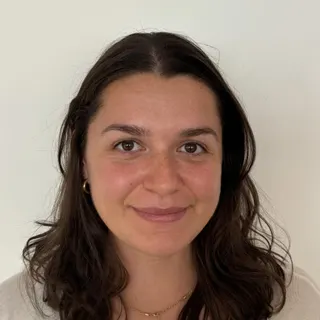
Portrait of Darcy Ind

Darcy Ind

French and Spanish Specialist

Bucknell, United Kingdom

£30.00 per hourDBS checkediAccepting enquiries
FrenchSpanishTEFL: Teaching English as a Foreign Language
  • Holds a Bachelor of Arts in Modern Languages (French, Spanish and German) from the University of Sheffield.
  • Holds over 4 years' of online tutoring experience both online, and in the classroom.
  • Darcy designs all her lesson plans from scratch to suit the individual's needs and learning goals.
  • Offers tutoring to KS2/3, GCSE, and AS/A-Level cohorts.

Darcy Ind is a French tutor and Spanish tutor with a BA in Modern Languages (University of Sheffield) and 4 years’ experience; she offers online tutoring for KS2–3, GCSE and AS/A-Level with tailored lesson plans and session reports.

Send a quick enquiry from here and the Latimer Tuition team will pass it on to Darcy.
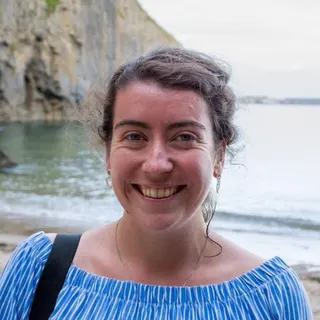
Portrait of Georgia Wager

Georgia Wager

English, Humanities, and Language Specialist

Norfolk, United Kingdom

£35.00 per hourDBS checkediAccepting enquiries
11+ (general)English LanguageEnglish LiteratureGerman+3 more
  • Georgia has over 4 years' of experience teaching students in 11+, KS2/3, GCSE, and AS/A-Level cohorts.
  • Holds a Teaching English as a Foreign Language (TEFL) qualification.
  • Holds a Bachelor of Arts in European Studies from the University of Kent.
  • Holds A-Levels in German, Business Studies, and History.
  • Holds 15 A*-C grades at GCSE level.

Georgia supports learners in English Language and English Literature from KS2 to GCSE, using personalised lessons, multimedia resources and confidence-building approaches to challenging questions.

Send a quick enquiry from here and the Latimer Tuition team will pass it on to Georgia.

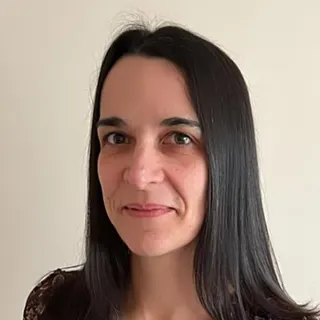
Portrait of Lucia Wood-Bonelli

Lucia Wood-Bonelli

Qualified French and Spanish Teacher

Sheffield

£35.00 per hourDBS checkediAccepting enquiriesQualified teacher
FrenchSpanish
  • Lucia is an approved examiner for Edexcel Spanish GCSE.
  • Holds a PGCE in Modern Foreign Languages with QTS from Sheffield Hallam University.
  • Holds a 2:1 in Modern Languages and Translation from the University of Leicester.
  • Holds over 1 year of online private tutoring experience.
  • Holds 3 A-Levels, and 12 GCSEs.

Lucia is a qualified Spanish teacher for GCSE and A-Level learners, and an approved Edexcel Spanish GCSE examiner with three years of teaching experience.

Send a quick enquiry from here and the Latimer Tuition team will pass it on to Lucia.

Portrait of Sara Dellapiana

Sara Dellapiana

Qualified French, Italian, and Spanish Teacher

Crewe

£32.00 per hourDBS checkediAccepting enquiriesQualified teacher
FrenchItalianSpanish
  • Holds a Postgraduate Certificate in Education (PGCE) with Qualified Teacher Status (QTS) in Modern Foreign Languages from Manchester Metropolitan University.
  • Holds a 1st (110/110 with distinction) for her Bachelors of Modern Foreign Languages Degree in Spanish and English Languages and Literature from the University of Bergamo.
  • Has over 16 years’ of experience teaching Modern Foreign Languages in UK schools from KS1/2/3, to GCSE level.
  • Sara has been teaching Italian to adults both in small classes and One-2-One for over 20 years.

Sara Dellapiana is a qualified French tutor, Spanish tutor and Italian tutor with PGCE (QTS) in MFL and 16+ years teaching KS2–GCSE in UK schools; a native Italian speaker offering tailored Italian lessons for adults and all levels.

Send a quick enquiry from here and the Latimer Tuition team will pass it on to Sara.

Portrait of Shelley Currie

Shelley Currie

Qualified French and Spanish Teacher

Pocklington, United Kingdom

£42.00 per hourDBS checkediAccepting enquiriesQualified teacher
FrenchSpanish
  • She has over 10 years experience working in UK Secondary Education and excellent knowledge of the KS3, and KS4 curriculum for Languages.
  • Holds a Postgraduate Certificate in Education (PGCE), (with Qualified Teacher Status (QTS)) for MFL French and Spanish from the University of Hull.
  • Holds a TEFL qualification and has experience of teaching English in Spain to students of all ages, including preparing them for Cambridge examinations.
  • Shelley also has extensive experience working for the UK examination boards, making her perfect to assist students for UK GCSE examinations, specifically with their exam technique.
  • Holds a Bachelors Joint Honors degree in Spanish, along with 3 A-Levels in Spanish, French and Business.

Shelley Currie is a French tutor and Spanish tutor for KS2, KS3 and GCSE. PGCE/QTS-qualified with 10+ years in UK secondary education and AQA/Edexcel GCSE marking experience, she builds confidence and sharpens exam technique.

Send a quick enquiry from here and the Latimer Tuition team will pass it on to Shelley.

Portrait of Alex Norval

Alex Norval

Qualified French, German, and Spanish Teacher

Llandysul

£40.00 per hourDBS checkediAccepting enquiriesQualified teacher
FrenchGermanSpanish
  • Holds a Postgraduate Certificate in Education (PGCE), with Qualified Teacher Status (QTS) in Modern Foreign Languages.
  • More than six years of experience as a full-time teacher.
  • Tutored Private Online One-2-One students while she was a full-time teacher.
  • Currently shifting her focus from teaching in UK secondary schools, to tutoring full-time.
  • Able to assist KS2/3, GCSE, and AS/A-Level cohorts.
  • Experience as an examiner within the AQA exam board.
  • Holds a Bachelor of Arts in French, German, and Spanish from the University of Exeter.

Alex Norval is a qualified French tutor, German tutor and Spanish tutor (PGCE, QTS) with 6+ years' UK secondary teaching and online 1-to-1 experience, including AQA GCSE German examining. Supports KS2/3, GCSE and AS/A-Level; lesson reports and optional homework.

Send a quick enquiry from here and the Latimer Tuition team will pass it on to Alex.

What KS2 Spanish learning involves

In England, Key Stage 2 covers Years 3–6, normally ages 7–11. The national curriculum for maintained schools requires a foreign language at this stage, but schools can choose a modern or ancient language: Spanish itself is not compulsory.

Where children learn Spanish, the aim is practical communication about familiar things. That includes listening and responding, asking and answering questions, linking sounds to spelling, reading simple texts, and writing or adapting short phrases. Basic grammar helps children put their words together.

The curriculum sets expectations across the key stage, rather than a single Spanish topic list for each year. For school support, bring the current word list, class activity or teacher feedback so lessons connect with what your child is learning. For families elsewhere in the UK or following another curriculum, use the school’s own programme as the starting point.

Use schoolwork to choose a Spanish learning priority

Check listening, speaking, reading and writing separately. A child may know the topic vocabulary yet need help using it in a sentence. Bring the school’s model and the child’s attempt, then discuss the part that needs teaching.

  • Recognises words but cannot follow the question

    Use familiar classroom vocabulary and check its spoken form as well as its meaning. Ask the tutor to find out whether the barrier is hearing the words, recalling them or understanding the question.

  • Can say a sentence but loses accuracy in writing

    Compare a spoken answer with the written version. A priority might be spelling, keeping the ñ in años, or changing an adjective ending to match the noun.

  • Uses the school model accurately and needs a next step

    Change one part of the task: singular to plural, one age to another, or a familiar phrase used without its model. Ask for an explanation of what changed before adding unfamiliar vocabulary.

Read a familiar sentence, then change its meaning

Use this illustrative reading-and-writing task once the age expression has been taught: Tengo nueve años means I am nine years old. Ask the child to identify the word that tells you the age before changing the sentence.

If the instruction is to write for a pretend ten-year-old, supply diez (“ten”). The new sentence is Tengo diez años. Tengo stays the same because the speaker still means “I have”; Spanish uses this pattern to express age. Keep the ñ in años when writing.

Now ask ¿Cuántos años tienes? — “How old are you?” — and let the child answer for the pretend person without the full sentence in view. Compare reading the first sentence, changing it in writing and answering the spoken question. A difficulty in one does not automatically mean the child needs to restart all three.

A Spanish example: describing one tortoise or several

Take la tortuga cansado, intended to mean “the tired tortoise”. Tortuga (“tortoise”) is a feminine noun, so this describing word needs its feminine form, cansada (“tired”). The corrected phrase is la tortuga cansada — “the tired tortoise”. The describing word follows the noun in this example.

Now picture several tired tortoises. A child might change only the noun and write la tortugas cansada. The correct phrase is las tortugas cansadas — “the tired tortoises”. All three words change: la becomes las (“the”), tortuga becomes tortugas (“tortoises”), and cansada becomes cansadas (“tired”, describing more than one).

For a follow-up, draw one tortoise beside several tortoises. Match each picture to its phrase, then cover the phrases and rebuild them. Ask the child to point out the three changes. This checks whether they can make the words agree, with the same vocabulary kept in view while the new pattern is learned.

Turn a lesson into something your child can use

Agree a small learning focus and return to it on separate days. A useful plan combines hearing and saying Spanish with reading or writing at the child’s current level. The aim is to use familiar language with less help. Here is one way to organise that practice:

  1. Establish a starting point

    Keep a short spoken or written attempt before teaching the chosen pattern. Note which words the child recognises and where they need a prompt. For the age example, check the number words as well as the sentence.

  2. Practise one change

    Model the answer, check its meaning, and let the child alter one detail. Keep the English meaning or a picture available when it is needed. A new grammar task should not depend on guessing several unfamiliar words.

  3. Revisit and compare

    Return to the same task after a gap. Compare it with the first attempt: can the child recall the words, choose the correct ending and answer without the model? Use that evidence to repeat the difficult part or move on.

Choose an approach that suits a primary-age learner

Look for experience relevant to teaching primary-age children, alongside Spanish knowledge. Latimer tutors offer a free introductory meeting to discuss goals, approach and arrangements before paid lessons. It is usually a conversation rather than a full teaching lesson.

Use that discussion to explain what your child enjoys, what is difficult and any help that already works at school. If they have a particular learning need, describe the adjustment needed and ask about the tutor’s relevant experience.

  • How will you check understanding?

    Ask how the tutor would move from a picture or short spoken answer to independent Spanish. An explanation of what they would listen for is more useful than a broad promise to make lessons fun.

  • What happens when a task is too difficult or too easy?

    Discuss options such as fewer words at once, more time to answer, spoken rehearsal before writing, or a sentence extension for a confident learner. Agree adjustments for your child.

  • What will we know after the first few lessons?

    Agree one learning goal and how the tutor will show what the child can do independently. Ask what practice can be completed at home and what support, if any, an adult needs to give.

Online lessons, costs and practical arrangements

Latimer provides online-first, one-to-one tuition. Each tutor sets their hourly rate, shown on their profile, and lessons are invoiced after they take place on a pay-as-you-go basis. Compare the proposed learning focus and manageable practice alongside the price.

Getting ready for spoken Spanish
Microsoft Teams is the default lesson platform; another option can be agreed with the tutor. Check that your child can hear and be heard clearly, open the agreed word list and show any written work. Help them join the meeting if needed.
Agreeing the schedule
Discuss lesson length, suitable times and the cost of the proposed arrangement before booking. Leave room for schoolwork, rest and the small practice task between lessons.
If you want lessons nearby
In-person lessons need an individual arrangement with the tutor. Mention the location and travel requirements when making an enquiry.

Looking ahead to secondary-school languages

For a child approaching Year 7, keep a brief record of the Spanish they can understand, say, read and write. Include a small example they can explain, rather than just a list of topics they have encountered.

England’s KS3 languages curriculum builds on primary foundations whether pupils continue the same language or start another. Check which language the receiving school teaches before planning Spanish-specific preparation. Useful primary habits include listening carefully, noticing how words change and trying an answer independently; there is no need to turn KS2 support into GCSE revision.

Find support for your child’s next step

Tell us your child’s year group, any Spanish learned at school or home, and one thing you would like lessons to help them do. Add the preferred schedule and budget. You can compare tutor profiles or make a free matching request if you would like help choosing.

Support and clarity

Frequently asked questions

Straight answers to the questions people ask most often.

Is there a KS2 Spanish SATs test?

No. Spanish is not part of England’s Year 6 national tests, which cover English reading, grammar, punctuation and spelling, and maths. Schools may still check Spanish learning through their own activities or assessments. If a class task is causing concern, share the teacher’s instructions with the tutor.

Can my child learn Spanish if their primary school teaches French?

Yes. Spanish can be a separate learning goal. Tell the tutor which language your child studies at school so the plan is clear: beginning Spanish for interest or family communication is a different goal from support with school French. Do not assume they should already know Spanish because of their year group.

Do I need to speak Spanish to help between lessons?

No. Ask for a small practice task with clear English instructions and an agreed audio model if pronunciation is involved. You can help your child find the materials and make time to try the task. Leave corrections you are unsure about for the tutor, and note what your child found difficult.

How often should a primary-age child have Spanish tuition?

Agree frequency around the starting point, school workload, attention and budget. A short run of lessons can focus on a named difficulty; ongoing support needs regular review of what is becoming more independent. There is no single lesson number or timetable that guarantees fluency. Leave time to revisit familiar language between meetings.

Further information

Useful links and resources

Related tutor pages

Explore related tuition options and guidance for choosing the right support.