Primary Spanish tuition

Primary Spanish tutors for a confident start

Starting Spanish or choosing your child’s first one-to-one lessons? Explore simple teaching examples and questions that help you compare the approach, pace and practical arrangements.

  • One-to-one tuition
  • Pay as you go
  • Direct tutor contact
Begin with what your child has already heard, said or studied in Spanish and what you want lessons to help them do. The examples use KS2-level beginner material; age, prior learning and teaching fit should guide the first task.

The form controls become available when the enquiry form has loaded.

Primary Spanish tuition enquiry

Tell us what you know, skip anything you’re unsure about, and add a short description if you skip both subject and level.

  1. Tutoring brief
  2. Contact details

Final question

Contact details

Where should we send tutor options?

We’ll reply by email. Mobile is an optional fallback only.

Your tutoring brief

Subject
Spanish
Level
KS2

Free matching request skip anything you’re unsure about pay as you go when lessons begin.

We use your contact details to reply to this enquiry. See our Privacy Policy for other uses.

How one-to-one tuition can help

  • Connect Spanish sounds with written words, so your child can read a familiar greeting aloud.
  • Build meaningful answers from familiar words, with explanations of the patterns that differ from English.
  • Practise school Spanish at a manageable pace and check what your child can use without a prompt.

Available tutors

Explore Spanish tutors with KS2 listed

6 tutor profiles selected

Discuss your child’s age, starting point and first learning goal with the tutor. For younger children, ask specifically about experience at their stage.

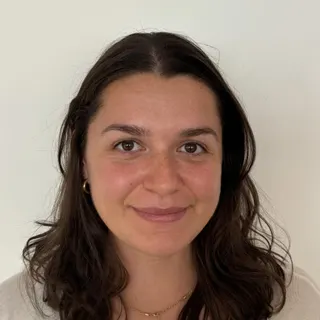
Portrait of Darcy Ind

Darcy Ind

French and Spanish Specialist

Bucknell, United Kingdom

£30.00 per hourDBS checkediAccepting enquiries
FrenchSpanishTEFL: Teaching English as a Foreign Language
  • Holds a Bachelor of Arts in Modern Languages (French, Spanish and German) from the University of Sheffield.
  • Holds over 4 years' of online tutoring experience both online, and in the classroom.
  • Darcy designs all her lesson plans from scratch to suit the individual's needs and learning goals.
  • Offers tutoring to KS2/3, GCSE, and AS/A-Level cohorts.

Darcy Ind is a French tutor and Spanish tutor with a BA in Modern Languages (University of Sheffield) and 4 years’ experience; she offers online tutoring for KS2–3, GCSE and AS/A-Level with tailored lesson plans and session reports.

Send a quick enquiry from here and the Latimer Tuition team will pass it on to Darcy.
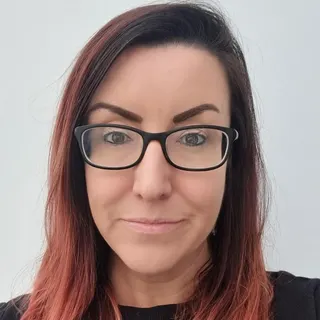
Portrait of Georgia Wager

Georgia Wager

English, Humanities, and Language Specialist

Norfolk, United Kingdom

£35.00 per hourDBS checkediAccepting enquiries
11+ (general)English LanguageEnglish LiteratureGerman+3 more
  • Georgia has over 4 years' of experience teaching students in 11+, KS2/3, GCSE, and AS/A-Level cohorts.
  • Holds a Teaching English as a Foreign Language (TEFL) qualification.
  • Holds a Bachelor of Arts in European Studies from the University of Kent.
  • Holds A-Levels in German, Business Studies, and History.
  • Holds 15 A*-C grades at GCSE level.

Georgia supports learners in English Language and English Literature from KS2 to GCSE, using personalised lessons, multimedia resources and confidence-building approaches to challenging questions.

Send a quick enquiry from here and the Latimer Tuition team will pass it on to Georgia.

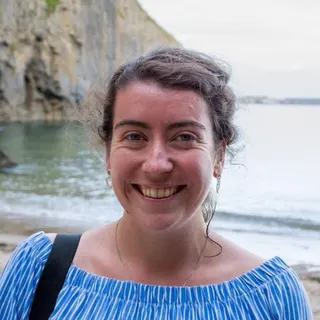
Portrait of Lucia Wood-Bonelli

Lucia Wood-Bonelli

Qualified French and Spanish Teacher

Sheffield

£35.00 per hourDBS checkediAccepting enquiriesQualified teacher
FrenchSpanish
  • Lucia is an approved examiner for Edexcel Spanish GCSE.
  • Holds a PGCE in Modern Foreign Languages with QTS from Sheffield Hallam University.
  • Holds a 2:1 in Modern Languages and Translation from the University of Leicester.
  • Holds over 1 year of online private tutoring experience.
  • Holds 3 A-Levels, and 12 GCSEs.

Lucia is a qualified Spanish teacher for GCSE and A-Level learners, and an approved Edexcel Spanish GCSE examiner with three years of teaching experience.

Send a quick enquiry from here and the Latimer Tuition team will pass it on to Lucia.

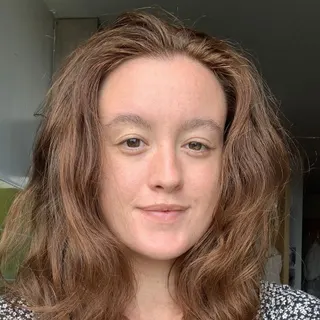
Portrait of Sara Dellapiana

Sara Dellapiana

Qualified French, Italian, and Spanish Teacher

Crewe

£32.00 per hourDBS checkediAccepting enquiriesQualified teacher
FrenchItalianSpanish
  • Holds a Postgraduate Certificate in Education (PGCE) with Qualified Teacher Status (QTS) in Modern Foreign Languages from Manchester Metropolitan University.
  • Holds a 1st (110/110 with distinction) for her Bachelors of Modern Foreign Languages Degree in Spanish and English Languages and Literature from the University of Bergamo.
  • Has over 16 years’ of experience teaching Modern Foreign Languages in UK schools from KS1/2/3, to GCSE level.
  • Sara has been teaching Italian to adults both in small classes and One-2-One for over 20 years.

Sara Dellapiana is a qualified French tutor, Spanish tutor and Italian tutor with PGCE (QTS) in MFL and 16+ years teaching KS2–GCSE in UK schools; a native Italian speaker offering tailored Italian lessons for adults and all levels.

Send a quick enquiry from here and the Latimer Tuition team will pass it on to Sara.

Portrait of Shelley Currie

Shelley Currie

Qualified French and Spanish Teacher

Pocklington, United Kingdom

£42.00 per hourDBS checkediAccepting enquiriesQualified teacher
FrenchSpanish
  • She has over 10 years experience working in UK Secondary Education and excellent knowledge of the KS3, and KS4 curriculum for Languages.
  • Holds a Postgraduate Certificate in Education (PGCE), (with Qualified Teacher Status (QTS)) for MFL French and Spanish from the University of Hull.
  • Holds a TEFL qualification and has experience of teaching English in Spain to students of all ages, including preparing them for Cambridge examinations.
  • Shelley also has extensive experience working for the UK examination boards, making her perfect to assist students for UK GCSE examinations, specifically with their exam technique.
  • Holds a Bachelors Joint Honors degree in Spanish, along with 3 A-Levels in Spanish, French and Business.

Shelley Currie is a French tutor and Spanish tutor for KS2, KS3 and GCSE. PGCE/QTS-qualified with 10+ years in UK secondary education and AQA/Edexcel GCSE marking experience, she builds confidence and sharpens exam technique.

Send a quick enquiry from here and the Latimer Tuition team will pass it on to Shelley.

Portrait of Alex Norval

Alex Norval

Qualified French, German, and Spanish Teacher

Llandysul

£40.00 per hourDBS checkediAccepting enquiriesQualified teacher
FrenchGermanSpanish
  • Holds a Postgraduate Certificate in Education (PGCE), with Qualified Teacher Status (QTS) in Modern Foreign Languages.
  • More than six years of experience as a full-time teacher.
  • Tutored Private Online One-2-One students while she was a full-time teacher.
  • Currently shifting her focus from teaching in UK secondary schools, to tutoring full-time.
  • Able to assist KS2/3, GCSE, and AS/A-Level cohorts.
  • Experience as an examiner within the AQA exam board.
  • Holds a Bachelor of Arts in French, German, and Spanish from the University of Exeter.

Alex Norval is a qualified French tutor, German tutor and Spanish tutor (PGCE, QTS) with 6+ years' UK secondary teaching and online 1-to-1 experience, including AQA GCSE German examining. Supports KS2/3, GCSE and AS/A-Level; lesson reports and optional homework.

Send a quick enquiry from here and the Latimer Tuition team will pass it on to Alex.

Decide what starting Spanish lessons should help with

Learning Spanish for the first time, supporting schoolwork and extending Spanish already used at home are different starting points. Explain which applies before choosing a tutor. A first conversation should establish the child’s age, interests and existing language experience, rather than assume every primary learner needs the same introductory course.

  • Beginning Spanish

    Start with a small exchange your child understands, such as greeting someone and giving their name. Include the sound and meaning before expecting independent reading or writing.

  • Supporting school learning

    Bring a recent task and identify where the difficulty starts: hearing the word, remembering its meaning, choosing an answer or writing a sentence. Use the school’s vocabulary as the starting material.

  • Building on existing Spanish

    If your child already uses Spanish, sample their reading and writing as well as conversation. Choose work that extends the weaker skill instead of repeating material they can already use.

Check the school language and starting level

In England, the KS2 languages programme covers Years 3–6, normally ages 7–11, and allows a modern or ancient language; Spanish is not compulsory in every school. If the school teaches another language, make clear whether Spanish is a separate interest or a future goal.

For school-linked reading, writing and grammar priorities, see KS2 Spanish support. For an earlier primary stage, discuss the child’s exact age and the tutor’s relevant experience separately; a KS2 profile selection does not establish that fit.

Read the Department for Education’s languages programme.

From saying “hola” to answering a question

Here is a beginner teaching example. Show hola, meaning hello, and listen to a spoken model. A child reading it as an English word might sound the h. In this greeting, the h is silent: keep it in the spelling, but begin the spoken word with the vowel sound. The child can then greet someone and point to the matching written word. Oak’s primary greetings lesson provides a pronunciation model.

Next, try ¿Cómo te llamas?What is your name? Repeating the question does not answer it. Show Me llamo…My name is… — and explain that the child supplies their own name. For a child called Ana, the response is Me llamo AnaMy name is Ana.

Cover the written reply and ask again. Choosing their own name within the answer pattern is a useful next step beyond copying the model speaker. The Open University’s names activity gives the question and response with translations.

Why “I am eight” becomes “Tengo ocho años”

A child might try Soy ocho años when translating I am eight years old word by word. The problem is the sentence pattern. Spanish expresses age using tengo, literally I have, followed by a number and años, meaning years.

The corrected sentence is Tengo ocho añosI am eight years old. Keep the ñ in años; n and ñ represent different sounds. Oak’s primary lesson on age includes spoken models and explains this pattern.

For a follow-up, imagine the child’s next birthday. Change ocho (eight) to nueve (nine): Tengo nueve añosI am nine years old. The useful check is whether the child can change the number while retaining the sentence pattern and explain what the new sentence means. This is an illustrative task; the number and level of support should suit the learner.

Choose an approach that suits a primary learner

Look for experience teaching children at your child’s stage and an explanation of how the tutor checks understanding. During the free introductory meeting, discuss which of the starting tasks above would suit your child and why. The meeting is for goals, approach and arrangements; it is not normally a full teaching lesson.

Useful questions include how the tutor would help a child who can repeat a phrase but cannot answer independently, how reading and writing will follow spoken work, and what feedback you will receive. Agree one clear first goal, such as answering a familiar question with less support, rather than an undefined promise to “get better at Spanish”.

If listening or speaking feels difficult, discuss slower questions, a repeated audio model or a written prompt before removing the support. Allow thinking time. Explain any adjustments your child uses at school and confirm the tutor’s relevant experience if specialist support matters to your choice.

Keep practice small and check what stays

Use short opportunities to revisit taught material between lessons. Ofsted’s languages research review supports practice spread over time and recalling earlier learning. The following is one adjustable routine, not a required timetable.

Agree lesson frequency and length around your child’s starting point, attention, school work and family budget. A focused difficulty may call for a short period of support; a broader goal needs a plan that is reviewed as learning develops.

  1. Listen and reconnect

    Revisit a word or sentence already taught, using the tutor’s agreed spoken model. Check its meaning before practising it.

  2. Recall and change

    Hide the model and try the response. Reuse the age example above to change one detail, keeping the English meaning available if needed.

  3. Review the help needed

    At the next lesson, try the task again and note whether your child needs the whole model, a small cue or no prompt. Use that observation to choose the next task; speed alone is not the goal.

Plan the format and cost before booking

Latimer offers online one-to-one tuition. Microsoft Teams is the default platform, with alternatives available by agreement with the tutor. If you want in-person lessons, those require an individual arrangement.

For a primary Spanish session, test that your child can hear the model clearly and that the tutor can hear their reply. Have paper and a pencil ready, along with any agreed school material. Discuss whether an adult should help with setup and how the child will move between listening, speaking and written tasks.

Each tutor sets their hourly rate, shown on their profile. Confirm the lesson length and resulting cost before booking, along with the frequency and any practice expected between sessions. Latimer invoices after lessons on a pay-as-you-go basis. Compare the cost with the specific teaching and feedback your child needs, and use agreed progress checks to decide whether to continue the same plan.

Tell us what your child needs from Spanish

Share their school year, whether Spanish is new or familiar, the main learning goal and your preferred times. Add your budget and any helpful lesson adjustments. You can compare profiles yourself or make a free tutor-matching request.

Support and clarity

Frequently asked questions

Straight answers to the questions people ask most often.

Can my child start Spanish before Year 3?

You can discuss beginner tuition for a younger child. Tell the tutor the child’s exact age and ask about suitable activities, lesson length and adult involvement. The KS2 guidance here concerns Years 3–6; choosing support for an earlier primary stage needs a separate conversation about age and readiness.

What if my child’s school teaches French instead?

Explain whether Spanish is a separate interest, a family language or preparation for a future school. Agree a beginner Spanish goal on that basis and keep any French schoolwork distinct. If the aim is help with current school lessons, choose support for the language the school actually teaches.

What if my child already speaks Spanish at home?

Tell the tutor how your child uses Spanish and what you want to develop. A spoken conversation, a short reading task and a small piece of writing can help establish the right starting point. For example, fluent conversation may call for work on reading or spelling rather than introductory greetings.

Do I need to speak Spanish to help between lessons?

You can help organise the agreed practice without supplying the pronunciation yourself. Ask for a spoken model, the English meaning and a clear answer or task to check. Let your child attempt it before revealing the model, and note anything to revisit with the tutor. The examples above keep the meanings visible for that reason.

Is there a primary Spanish SATs paper?

No. England’s national end-of-KS2 tests cover English and mathematics, not Spanish. A school can still check learning in its own language lessons. For school support, share the teacher’s task or feedback with the tutor so practice addresses the actual difficulty.

How should Year 6 Spanish prepare my child for secondary school?

First confirm which language the next school will teach. Review the sounds, words and sentence patterns your child can still use without copying, then identify what needs revisiting. England’s KS3 programme builds on primary language foundations whether pupils continue the same language or begin another. The next school’s programme should guide any more specific preparation.

Further information

Useful links and resources

Related tutor pages

Explore related tuition options and guidance for choosing the right support.