Media Studies tuition

Find a Media Studies tutor

Build clear arguments about how media works and make purposeful production choices. Find one-to-one support for your school course, further study or personal project.

  • One-to-one tuition
  • Pay as you go
  • Direct tutor contact
Choose a tutor around your course and the work you want to improve. GCSE and A-level Media Studies, Scottish Media and Wales’s new GCSE Digital Media and Film have distinct requirements; share the exact qualification and year, or describe your wider learning goal.

The form controls become available when the enquiry form has loaded.

Media Studies tuition enquiry

Tell us what you know, skip anything you’re unsure about, and add a short description if you skip both subject and level.

  1. Tutoring brief
  2. Contact details

2 questions remaining

Tutoring brief

What level is the tuition for?

Choose a level

Choose a suggestion or type your own answer. You can skip this if you’re unsure.

This form works best for one learner at one level and up to six subjects. If your circumstances are more complicated, email us at Contact@LatimerTuition.com so you can explain everything properly.

How one-to-one tuition can help

  • Turn observations about images, sound and layout into explained interpretations
  • Apply audience ideas and media theory to the products you study
  • Practise purposeful production choices while keeping assessed work your own

Available tutors

Compare Media Studies tutors

Look for experience of your course and the task you find difficult, whether that is close analysis, a sustained argument or practical production.

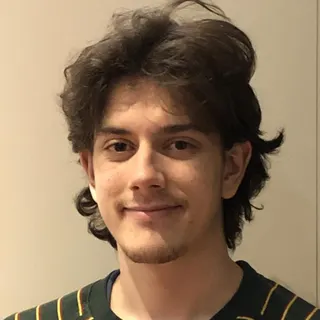
Portrait of Alfie Morris

Alfie Morris

Humanities, Media, and Music Specialist

Bristol

£25.00 per hourDBS checkediAccepting enquiries
GuitarMedia StudiesMusicMusic Technology+2 more
  • Holds over 5 year's of tutoring experience.
  • Holds a 2:1 Bachelor's degree in Philosophy & Religion.
  • Holds Distinction in a Media & Film Diploma.
  • Alfie has worked professionally throughout the media industry; on set, in post production and as a film critic.
  • Holds A, A for Mathematics and English at GCSE level.

Alfie Morris is a private tutor offering online tutoring and in-person lessons in Philosophy, Religious Studies, Media Studies, Music and guitar, with 5+ years’ experience, a 2:1 BA in Philosophy & Religion, and a Distinction in Media & Film.

Send a quick enquiry from here and the Latimer Tuition team will pass it on to Alfie.

Start with the course you are actually taking

A useful match starts with your qualification, exam board and assessment year. These examples show how the work changes across courses. If you are studying in Northern Ireland or following another qualification, give its full title when you enquire.

GCSE Media Studies in England
AQA 8572 covers media language, representation, industries and audiences: how products create meaning, portray people, reach audiences and operate as media businesses. Its assessment combines two written exams with an independent media product and statement of intent. Tuition priorities might be explaining a precise detail from a product or developing a reasoned response to an exam question.
A-level Media Studies in England
AQA 7572 requires sustained critical writing and the application and evaluation of media theories. Its practical assessment is an individual cross-media production responding to the board’s brief. A useful lesson connects a theory to evidence, then considers how far it explains the product or audience response.
GCSE courses in Wales
For first teaching from September 2026, GCSE Digital Media and Film replaces GCSE Media Studies and Film Studies in Wales. The new WJEC course includes meaning and representation, distribution and exhibition in Wales, and creating and evaluating content. Continuing legacy Media Studies students follow their existing course; WJEC’s final full assessment opportunity is summer 2027. State which course and cohort you belong to.
National 5 and Higher Media in Scotland
Higher Media connects analysis and creation with audiences, institutions, society and the role of media. Under the 2026–27 specifications, National 5 can accept storyboards, detailed plans or sketches at the agreed level of finish; Higher requires finished content. The centre’s brief therefore matters when choosing practical support.

Turn a description into an explained interpretation

Consider this invented music-magazine cover: a central close-up of a young musician looking directly at the camera, with the cover line “Make your own noise”. It is a practice example, not a set product or examiner answer.

A starting response might be: “There is a close-up and a command. This makes teenagers buy the magazine.” It notices a feature, but jumps to an audience effect without explaining the connection.

First identify what is actually visible. Then explain a plausible meaning: the central image gives the musician prominence; the gaze towards the camera addresses the reader; the command “Make” invites action. Connect these choices before reaching a judgement.

A stronger response would be: “The central close-up presents the musician as the focus of attention. Their direct gaze, together with ‘Make your own noise’, makes the invitation to create music feel personal. A reader interested in performing might see the musician as someone to identify with.”

The final sentence qualifies the interpretation. The cover alone cannot show what all teenagers think or whether they will buy it. For a follow-up, keep the image but replace the line with “Inside the recording studio”. Explain how the emphasis shifts from an invitation to participate towards access to a place or process. This checks whether the learner can explain a new choice independently.

Use a theory to develop the argument

For AQA A-level, audience study includes Stuart Hall’s encoding and decoding model: a producer can offer a preferred meaning, while audiences may accept it, negotiate with it or oppose it. Applying the model needs more than naming those readings.

Return to the invented cover. A reader might welcome its encouragement to make music while thinking that the invitation overlooks the cost of instruments. That is a possible negotiated reading: accepting part of the message while qualifying it. A response should show which parts of the image and wording support the interpretation.

An evaluative conclusion could be: “Hall’s model helps explain why the same invitation can be encouraging yet feel unrealistic to some readers. It offers possible readings, but the cover itself does not establish how its actual audience responded.” This moves from applying a theory to judging its explanatory limits.

The tutor’s role in ordinary practice is to question the evidence and reasoning. For a GCSE learner, the immediate priority may be explaining a detail accurately; for an A-level learner, it may be sustaining and evaluating an argument across products. Both need supported interpretation.

Make production choices serve a purpose

Use this invented, unassessed practice brief: plan a local arts magazine cover for younger readers looking for affordable activities they can join. The difficulty to tackle is decoration without a clear reason for it.

  1. Choose useful content

    Feature a beginner workshop with a clear activity, location and cost. “Saturday printmaking: beginners welcome” gives this imagined audience a more specific reason to read than an unexplained “Amazing art!” headline.

  2. Organise what the reader sees

    Sketch the magazine title, one main image and the workshop cover line. Make the workshop information easy to find. Explain which element should attract attention first and how the remaining information helps the reader act.

  3. Test and justify the choices

    Ask someone what they noticed first and what they think the cover offers. If they only noticed a decorative image, revise the hierarchy. A useful justification might be: “I placed the workshop line beside the main image so a reader interested in trying the activity can find the invitation quickly.”

Keep coursework and assessed production your own

Detailed teaching demonstrations belong on separate practice tasks. Before arranging any help with live coursework or non-exam assessment (NEA), ask your school or college what the applicable rules permit. Your teacher also needs to know about outside help you receive; disclosing it does not make prohibited help acceptable.

For example, AQA GCSE rules prohibit correcting the work, providing model answers or writing frames, and giving specific guidance on how to meet the marking criteria. AQA and Eduqas A-level rules also restrict detailed feedback on assessed work. Scottish Media assignments have their own independence requirements.

A tutor must not rewrite an assessed response, design the product for you or give tailored instructions to improve the live project’s marks. Practise the underlying analysis, planning and production skills on different material, and keep the centre involved in decisions about assessed work.

Choose support around the work you find difficult

Use the free introductory meeting to discuss goals, teaching approach and arrangements. Match subject expertise to the actual task: close analysis, a theory-based essay or a production skill can require different experience.

  1. Bring a useful starting point

    Share the course title, board, assessment year and the products studied in class, alongside a marked exam-practice answer. For a university, vocational or personal project, name the module or project, the skill you want to develop and any software involved. Confirm the tutor’s experience with that particular work.

  2. Locate the obstacle

    A possible first paid lesson could compare a short annotation with a paragraph about the same image. If the learner can identify direct address but cannot explain its purpose, work on the reasoning. If the explanation is clear aloud but breaks down in writing, practise turning that spoken explanation into a short paragraph.

  3. Agree a manageable practice task

    Choose one priority and apply it to a different media product between lessons. A learner who feels overwhelmed could start with one image, a small vocabulary list and spoken rehearsal before writing. Agree any additional learning support with the individual tutor, then reduce prompts as the learner becomes more independent.

  4. Compare independent work

    Review whether the next response identifies precise evidence, explains the choice and supports its judgement. Use comparable tasks to decide what still needs attention. This gives a clearer basis for continuing or changing lessons than simply counting completed revision pages.

Prepare for an online Media Studies lesson

Latimer offers online-first one-to-one tuition. Microsoft Teams is the default meeting platform, with another platform possible by agreement. Before the lesson, check how you will view images, hear clips and share written practice clearly.

Have the course details, the relevant class materials and a specific question ready. If you want practical software support, name the application and check that the tutor can work with it before booking. Use dummy information in shared projects, keep passwords and private account details out of them, and check installation restrictions on school-managed devices.

You can browse profiles or request a free tutor match. Include your preferred times and budget with the course and learning goal so the discussion can focus on a workable arrangement.

Support and clarity

Frequently asked questions

Straight answers to the questions people ask most often.

How much does Media Studies tuition cost?

Each tutor sets their own hourly rate, shown on their profile. Latimer invoices for lessons after they take place on a pay-as-you-go basis. Compare the rate with the support you need, agree the lesson length and check what practice or feedback is included before booking.

How often should I have lessons?

Start with the gap you want to address and the time available for independent practice. A single exam-practice review may answer a specific question; several connected difficulties may need an ongoing plan. Agree the schedule around school workload and deadlines, then review it using comparable independent work. There is no single lesson frequency that suits every learner.

Do I need GCSE Media Studies before taking it at A-level?

Check the entry requirements of the school or college offering the course. Eduqas leaves entry requirements to individual centres, so do not assume a universal GCSE Media Studies requirement or grade threshold. If the subject is new to you, discuss an introduction to its terminology and analytical writing before tackling longer arguments.

Can I arrange a tutor near me?

Latimer’s service is online-first. In-person lessons require an individual arrangement with the tutor. If face-to-face teaching is essential, include your location and travel limits in the enquiry and confirm the arrangement before booking.

Can I use an old revision guide or set-product list?

Check that it matches your board, qualification and assessment year. For example, AQA A-level production briefs change annually, while Scottish course pages distinguish documents for different sessions. Higher Media has no nationally prescribed texts, so use the material your centre has selected. Bring your school’s current course information alongside any older resources.

What if I mainly want help with editing or a personal media project?

Explain the concrete task, such as organising a short video sequence or planning a magazine layout, and name the tools you use. Ask about relevant production experience as well as Media Studies knowledge. For university or vocational work, provide the module or qualification details so you can confirm the right level of support.

Related tutor pages

Explore related tuition options and guidance for choosing the right support.