One-to-one Music tuition

Find a Music tutor for the music you want to make

Choose support for an instrument or voice, music theory, composing, school study or a graded exam. Lessons can also follow a personal goal, with no exam in mind.

  • One-to-one tuition
  • Pay as you go
  • Direct tutor contact
Start with something concrete: a piece you want to play, a rhythm you lose, a theory question or a composition that needs developing. Share your current experience and musical interests so a tutor can discuss a useful starting task and what to practise between lessons.

The form controls become available when the enquiry form has loaded.

Music tuition enquiry

Tell us what you know, skip anything you’re unsure about, and add a short description if you skip both subject and level.

  1. Tutoring brief
  2. Contact details

2 questions remaining

Tutoring brief

What level is the tuition for?

Choose a level

Choose a suggestion or type your own answer. You can skip this if you’re unsure.

This form works best for one learner at one level and up to six subjects. If your circumstances are more complicated, email us at Contact@LatimerTuition.com so you can explain everything properly.

How one-to-one tuition can help

  • Keeping a steady beat while reading and playing music
  • Connecting listening and theory with your own musical ideas
  • Preparing the skills your chosen course or exam actually assesses

Available tutors

Compare Music tutor profiles

6 tutor profiles selected

Look for teaching experience with your instrument or voice, preferred styles and current stage. For assessed work, check the exact qualification, board and grade or course. Use the profile to compare relevant experience and the current hourly rate, then discuss the musical goal you want help with.

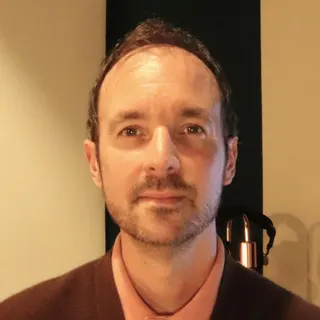
Portrait of Alexander Moretto

Alexander Moretto

Music Specialist

London, United Kingdom

£28.00 per hourDBS checkediAccepting enquiries
MusicMusic TechnologyMusic Theory
  • Over 4 years' of teaching experience.
  • Currently teaching Music Production (Level 2) part-time.
  • Currently a Teaching Assistant and an SEN support worker.
  • Fluent in English, French and Spanish.
  • Works as a DJ on a weekly basis (Signed to a DJ Agency).
  • Releases electronic music on Dance Record labels.
  • Played gigs all around the UK/ Europe - London, Bournemouth (PRIDE Festival), clubs (Ibiza/Amsterdam), and the Ministry of Sound.
  • Music played on BBC Radio Leicester, and BBC Music.

Alexander is a music tutor for learners from 11+ to A-Level, combining professional production experience with clear demonstrations, tailored feedback and practical project work.

Send a quick enquiry from here and the Latimer Tuition team will pass it on to Alexander.
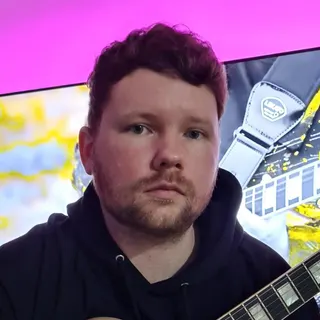
Portrait of Owen Evans

Owen Evans

Music, and Musical Instrument Specialist

Lumsden, United Kingdom

£30.00 per hourDBS checkediAccepting enquiries
GuitarMusicMusic PerformanceMusic Technology+1 more
  • Holds over 8 years' of online teaching experience.
  • Owen holds over 18 Years' experience teaching & in the Music industry.
  • Received over 1 million views & listens on Spotify, Youtube & social media.
  • A professional songwriter in all genres.
  • Over 10 years' experience using Logic Pro-x.
  • Owen has worked with Grammy-winning producers.

Owen Evans is a UK guitar tutor with 18+ years in teaching and the music industry, including 8+ years of online tutoring. He supports ABRSM/Rockschool, GCSE and A-Level Music, plus songwriting and Logic Pro X production with tailored lesson plans.

Send a quick enquiry from here and the Latimer Tuition team will pass it on to Owen.

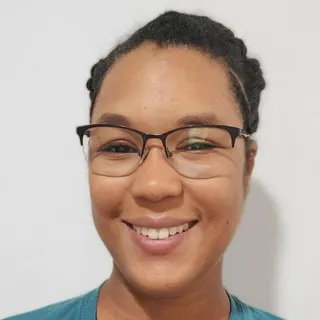
Portrait of Stacy Jarvis

Stacy Jarvis

Music and Russian Specialist

Manchester, United Kingdom

£35.00 per hourDBS checkediAccepting enquiries
MusicMusic PerformanceMusic TheoryPiano+2 more
  • She currently teaches Music at a primary school and provides private Violin lessons to a diverse range of students, including children with SEN.
  • Holds a Masters degree in Musicology from the University of Manchester.
  • Currently studying for her Doctorate of Music at the University of Birmingham, focusing on the conceptualisation of artistic ideas in nocturnes.
  • Holds a Bachelors degree in Violin Performance from the Royal Northern College of Music.
  • Has extensive experience teaching violin and piano to students of all ages, from Year 1 primary students to adult learners.

Stacy Jarvis is a music educator and violinist who teaches Music, Violin, Piano and Music Theory from KS2 to A-Level, with experience supporting children with SEN and adult learners.

Send a quick enquiry from here and the Latimer Tuition team will pass it on to Stacy.

Portrait of Darren Stone

Darren Stone

Music Specialist

Waterlooville, United Kingdom

£40.00 per hourDBS checkediAccepting enquiries
GuitarMusicMusic PerformanceMusic Technology+1 more
  • Over 10 years’ of experience teaching in UK secondary schools, tailoring lessons to each student’s learning style.
  • Professional composer with internationally published work in film, television, games, and advertising.
  • Expert in Music Technology, GCSE Music, A-Level Music, and Level 2 Music Technology.
  • Extensive studio and live performance experience as a guitarist, bridging real-world music with academic learning.
  • Guides students in composition, performance, music theory, and creative production.

Darren Stone is a private tutor and guitar tutor specialising in Music Technology, teaching GCSE and A-Level Music with 10+ years’ UK secondary school experience. Professional composer offering tailored help with composition, theory and performance, plus session reports.

Send a quick enquiry from here and the Latimer Tuition team will pass it on to Darren.

Portrait of Abigail Ajala

Abigail Ajala

Music, and Musical Instrument Specialist

Rushmere St Andrew, United Kingdom

£45.00 per hourDBS checkediAccepting enquiries
GuitarMusicMusic PerformanceMusic Technology+2 more
  • Over 11 years' of Music teaching experience.
  • Holds a Bachelor of Arts in Commercial Music.
  • Has been the vocal coach for the Stagecoach Performing Arts School (Ipswich).
  • Teaches guitar, ukulele, piano (up to intermediate), vocals, and music theory.

Abigail Ajala is a guitar tutor with 11+ years’ teaching experience, BA in Commercial Music, and Stagecoach Performing Arts (Ipswich) vocal coach. She is also a piano tutor (to intermediate) teaching ukulele and music theory for ages 4+, KS1–3, GCSE and A Level; online and Suffolk-based.

Send a quick enquiry from here and the Latimer Tuition team will pass it on to Abigail.

Portrait of David Knight

David Knight

Music Specialist

Chippenham, United Kingdom

£60.00 per hourDBS checkediAccepting enquiries
MusicMusic PerformanceMusic TechnologyMusic Theory+1 more
  • Holds a Degree in Composition from Guildhall School of Music and Drama.
  • Over five years of teaching experience.
  • Currently teaches Composition to A-Level Music students with Trinity Laban Conservatoire of Music and Dance.
  • Holds A*, A for English Literature and Music at A-Level.
  • Holds 6 A*s and 2 As for Music, English (Literature and Language), Mathematics, History, Geography, and Science at GCSE level.

David Knight is a Music and A-Level Composition tutor with a Guildhall composition degree and 5+ years' teaching experience, offering online tutoring and in-person lessons in Wiltshire; also a piano tutor at professional qualification level, with session reports and optional homework.

Send a quick enquiry from here and the Latimer Tuition team will pass it on to David.

Choose the music you want to work on

A useful tutor match starts with your goal and the music you enjoy. You may want to improve one skill or connect several: listening closely can inform a performance, and understanding a rhythm can help you write it down.

  • Playing or singing

    Name the instrument or voice, the styles you enjoy and a piece or song you are working on. Identify a difficulty such as uneven rhythm, an uncertain entry or a phrase that loses its shape.

  • Theory and reading music

    Bring an example of notation you cannot yet explain. Separate recognising a note or rhythm from using it accurately when you play, sing or write music.

  • Composing and listening

    Share a short musical idea, a draft or a listening task. Work towards describing what changes in the music and making deliberate choices about your own material.

  • School study or a graded exam

    Give the course or exam name, board, grade or level and the work in progress. This helps distinguish instrumental teaching from help with a school listening paper or composition.

Hear the pulse, then read the rhythm

Here is a simple practice example in 4/4, with four steady crotchet beats in each bar. A crotchet lasts one beat here; a quaver lasts half a beat.

Play or clap one crotchet, two quavers, one crotchet, one crotchet. The durations add up to 1 + ½ + ½ + 1 + 1 = 4 beats. If you rush the beat when the two shorter notes arrive, the whole bar becomes shorter.

Keep tapping four equally spaced beats while saying “1, 2-and, 3, 4”. The two quavers fit inside beat two; beat three should arrive at the same steady pace. A better attempt keeps the taps even while the claps divide that second beat.

For a follow-up, move the pair of quavers to beat three: “1, 2, 3-and, 4”. Check that the bar still lasts four beats. These note values and the distinction between rhythm and pulse are explained in the Model Music Curriculum glossary.

Make a small musical idea develop

“Make the second bar different” leaves a composer with many choices. This constructed example makes one change easy to hear. If you already know these notes on your instrument, play C–D–E–G | C–D–E–A, keeping the notes in the same octave. The vertical line separates two bars of 4/4; every note is a crotchet lasting one beat.

The first three pitches and the rhythm repeat. Only the final pitch changes, from G to A. A precise listening comment is: “Both bars begin C–D–E with the same rhythm, but the second bar ends one step higher.” That identifies the musical evidence behind the description.

Try repeating C–D–E–G for both bars, then play the changed version. Decide which ending you prefer and explain what you changed. This is one way to explore repetition and contrast, drawing on the Model Music Curriculum’s composing guidance. It is an illustrative task, not a prescribed exam answer.

Prepare for the right graded exam

For ABRSM, the route changes the preparation. Give your tutor the instrument or voice, grade and syllabus edition before choosing the work. The examples below describe different lesson priorities; another board needs its own requirements.

The specific Practical example comes from the ABRSM Piano Practical syllabus for 2025–2026. The Piano Performance specification and Music Theory Grades 1–5 syllabus explain the other assessed demands. For singing, use the relevant vocal syllabus rather than a piano list.

Practical Grades: pieces and supporting skills
For Piano in the 2025–2026 syllabus, the exam includes three pieces, scales and arpeggios, sight-reading and aural (listening) tests. Alongside repertoire, try a short unfamiliar passage at a manageable pulse. Check whether you can keep moving through it instead of stopping at every uncertain note; sight-reading needs practice beyond rehearsing familiar pieces.
Performance Grades: a complete programme
ABRSM Performance Grades use a recorded programme of four pieces or songs and assess the performance as a whole. Practise an ending, the pause and the start of the next item, then join the programme. Listen for secure starts and consistent musical attention through the final piece, as well as accuracy within each item.
Music Theory: explain and apply the notation
Theory work includes notation, keys, scales, intervals and chords. Level matters: Grade 1 introduces basic reading and note values; Grade 5 includes work such as transposition and chord inversions. For the rhythm example above, explain why the bar is complete, then build a different four-beat bar. Accurate reasoning is a better check than memorising the original pattern.

Keep school Music tied to your course

In England, GCSE Music subject content combines performing, composing and appraising. Appraising means listening closely, analysing the music and describing it with musical vocabulary. Instrumental practice is one part of that work: a learner may also need to explain what they hear or develop a composition.

England’s AS and A-level Music subject content develops those skills in greater depth, including more complex chord progressions and structures. A useful listening discussion can move from “the melody repeats” to identifying which pitches, rhythms or sections return and what changes around them.

Bring the school’s task, specification and feedback. The learner’s nation, board and course determine the set music and assessed work. For a closer match, explore GCSE Music tuition or A-level Music tuition.

Choose a tutor and agree a practice plan

Use the free introductory meeting to discuss the tutor’s approach, your goals and lesson arrangements. A useful question is how they would tackle the difficulty in your current piece, score or written work. Then agree a manageable plan, informed by your starting point. The ISM’s music-teaching guidance recommends achievable tasks, focused work on difficult sections and review.

  1. Share the starting point

    Explain what you already do comfortably and what interrupts the music. In a teaching lesson, a short performance, clapped rhythm or theory response can help locate the difficulty. Beginners can describe favourite music and previous experience instead of preparing a polished piece.

  2. Make the explanation usable

    Say whether it helps to hear a demonstration, see a marked score or work in smaller steps. Discuss reading, hearing, movement or concentration needs that affect the lesson, and check the tutor’s relevant experience before agreeing support.

  3. Leave with a specific task

    Choose a short passage or concept and a clear check, such as keeping the pulse through paired quavers. Agree the amount of practice and lesson frequency around your goal, access to an instrument and available time.

  4. Return to the same difficulty

    Revisit the task and describe what is more secure and what still needs work. Keep a brief note of the goal and next practice task. For a returning adult, this can also help keep lessons connected to the music they want to play.

Set up an online music lesson

Latimer’s one-to-one service is online-first. Microsoft Teams is the default lesson platform, and you and the tutor can agree another platform. Prepare the setup around the musical task.

Position the camera so the tutor can see the relevant playing action: for example, your hands and keyboard for piano work. Test a quiet passage and a sustained note so you can check whether the sound remains audible. Meeting software may suppress instrumental sound; the ISM’s online music lesson guidance explains why audio settings need attention.

Have the instrument ready when the lesson uses it, along with the relevant score, theory question or composition. Agree how you will share the music and keep a note of the next practice task. Check this setup with the tutor before buying extra equipment.

Support and clarity

Frequently asked questions

Straight answers to the questions people ask most often.

Do I have to take music exams?

No. Lessons can follow a personal goal, such as enjoying a piece, singing more confidently or developing your own music. Choose repertoire and a skill to work on with the tutor. A graded exam can be part of the plan if you want one; it does not have to be the destination.

Can I start if I cannot read music?

Yes, learning to read music can be one of your goals. Tell the tutor what you can already do by listening or copying, and which notation is unfamiliar. An early task might connect a rhythm you can clap with its written note values, so the symbols relate to something you can hear.

Can I return to music as an adult?

You can ask for tuition around returning to an instrument or starting a new musical goal. Describe what you used to play, what you remember and what you want to enjoy now. Check the tutor’s experience of teaching adults, and agree tasks that fit the time you have between lessons.

Do I need an instrument before arranging lessons?

For instrumental tuition, discuss what you will play during lessons and what you can access for practice before buying or hiring anything. Tell the tutor if access is limited. Theory, listening and voice goals need a different discussion about materials and setup, so include the kind of lesson you want in your enquiry.

How much does Music tuition cost?

Each tutor sets their own hourly rate, which is shown on their profile. Compare the rate alongside the fit for your instrument, course or musical goal. Latimer invoices after lessons on a pay-as-you-go basis. When planning your budget, also consider any scores or other resources you intend to obtain.

Can I arrange a Music tutor near me?

Latimer is online-first. In-person lessons need an individual agreement with a tutor who is close enough for the arrangement to work. Include your location and preference in your enquiry if this matters to you.

Further information

Useful links and resources

Related tutor pages

Explore related tuition options and guidance for choosing the right support.