One-to-one music production tuition

Music production tutors

Make a first beat, develop an unfinished track or understand your recording and mix choices. Start with your music, your software and the skill you want to learn next.

  • One-to-one tuition
  • Pay as you go
  • Direct tutor contact
Music production brings together musical ideas and the practical work of recording, editing, arranging and mixing sound. One-to-one tuition can focus on a personal project or a specific course requirement; beginners, returning learners and experienced musicians can start with different tasks.

The form controls become available when the enquiry form has loaded.

Music Production tuition enquiry

Tell us what you know, skip anything you’re unsure about, and add a short description if you skip both subject and level.

  1. Tutoring brief
  2. Contact details

2 questions remaining

Tutoring brief

What level is the tuition for?

Choose a level

Choose a suggestion or type your own answer. You can skip this if you’re unsure.

This form works best for one learner at one level and up to six subjects. If your circumstances are more complicated, email us at Contact@LatimerTuition.com so you can explain everything properly.

How one-to-one tuition can help

  • Finding a tutor who understands your production software and musical goals
  • Turning a loop or rough recording into a project you can develop
  • Understanding what to change and hearing why it makes a difference

Available tutors

Explore music tutors for your production goals

6 tutor profiles selected

Look for production teaching that fits your software, musical style and starting point. Discuss a project with the tutor, or describe the help you need in a free matching request.

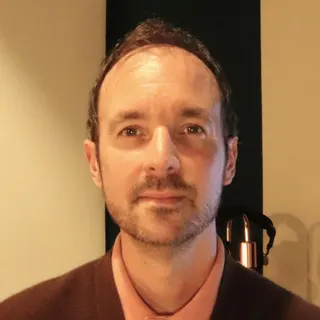
Portrait of Alexander Moretto

Alexander Moretto

Music Specialist

London, United Kingdom

£28.00 per hourDBS checkediAccepting enquiries
MusicMusic TechnologyMusic Theory
  • Over 4 years' of teaching experience.
  • Currently teaching Music Production (Level 2) part-time.
  • Currently a Teaching Assistant and an SEN support worker.
  • Fluent in English, French and Spanish.
  • Works as a DJ on a weekly basis (Signed to a DJ Agency).
  • Releases electronic music on Dance Record labels.
  • Played gigs all around the UK/ Europe - London, Bournemouth (PRIDE Festival), clubs (Ibiza/Amsterdam), and the Ministry of Sound.
  • Music played on BBC Radio Leicester, and BBC Music.

Alexander is a music tutor for learners from 11+ to A-Level, combining professional production experience with clear demonstrations, tailored feedback and practical project work.

Send a quick enquiry from here and the Latimer Tuition team will pass it on to Alexander.
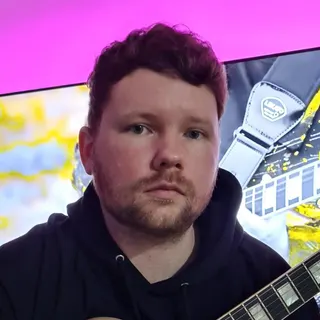
Portrait of Owen Evans

Owen Evans

Music, and Musical Instrument Specialist

Lumsden, United Kingdom

£30.00 per hourDBS checkediAccepting enquiries
GuitarMusicMusic PerformanceMusic Technology+1 more
  • Holds over 8 years' of online teaching experience.
  • Owen holds over 18 Years' experience teaching & in the Music industry.
  • Received over 1 million views & listens on Spotify, Youtube & social media.
  • A professional songwriter in all genres.
  • Over 10 years' experience using Logic Pro-x.
  • Owen has worked with Grammy-winning producers.

Owen Evans is a UK guitar tutor with 18+ years in teaching and the music industry, including 8+ years of online tutoring. He supports ABRSM/Rockschool, GCSE and A-Level Music, plus songwriting and Logic Pro X production with tailored lesson plans.

Send a quick enquiry from here and the Latimer Tuition team will pass it on to Owen.

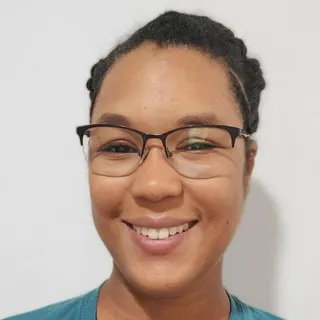
Portrait of Stacy Jarvis

Stacy Jarvis

Music and Russian Specialist

Manchester, United Kingdom

£35.00 per hourDBS checkediAccepting enquiries
MusicMusic PerformanceMusic TheoryPiano+2 more
  • She currently teaches Music at a primary school and provides private Violin lessons to a diverse range of students, including children with SEN.
  • Holds a Masters degree in Musicology from the University of Manchester.
  • Currently studying for her Doctorate of Music at the University of Birmingham, focusing on the conceptualisation of artistic ideas in nocturnes.
  • Holds a Bachelors degree in Violin Performance from the Royal Northern College of Music.
  • Has extensive experience teaching violin and piano to students of all ages, from Year 1 primary students to adult learners.

Stacy Jarvis is a music educator and violinist who teaches Music, Violin, Piano and Music Theory from KS2 to A-Level, with experience supporting children with SEN and adult learners.

Send a quick enquiry from here and the Latimer Tuition team will pass it on to Stacy.

Portrait of Darren Stone

Darren Stone

Music Specialist

Waterlooville, United Kingdom

£40.00 per hourDBS checkediAccepting enquiries
GuitarMusicMusic PerformanceMusic Technology+1 more
  • Over 10 years’ of experience teaching in UK secondary schools, tailoring lessons to each student’s learning style.
  • Professional composer with internationally published work in film, television, games, and advertising.
  • Expert in Music Technology, GCSE Music, A-Level Music, and Level 2 Music Technology.
  • Extensive studio and live performance experience as a guitarist, bridging real-world music with academic learning.
  • Guides students in composition, performance, music theory, and creative production.

Darren Stone is a private tutor and guitar tutor specialising in Music Technology, teaching GCSE and A-Level Music with 10+ years’ UK secondary school experience. Professional composer offering tailored help with composition, theory and performance, plus session reports.

Send a quick enquiry from here and the Latimer Tuition team will pass it on to Darren.

Portrait of Abigail Ajala

Abigail Ajala

Music, and Musical Instrument Specialist

Rushmere St Andrew, United Kingdom

£45.00 per hourDBS checkediAccepting enquiries
GuitarMusicMusic PerformanceMusic Technology+2 more
  • Over 11 years' of Music teaching experience.
  • Holds a Bachelor of Arts in Commercial Music.
  • Has been the vocal coach for the Stagecoach Performing Arts School (Ipswich).
  • Teaches guitar, ukulele, piano (up to intermediate), vocals, and music theory.

Abigail Ajala is a guitar tutor with 11+ years’ teaching experience, BA in Commercial Music, and Stagecoach Performing Arts (Ipswich) vocal coach. She is also a piano tutor (to intermediate) teaching ukulele and music theory for ages 4+, KS1–3, GCSE and A Level; online and Suffolk-based.

Send a quick enquiry from here and the Latimer Tuition team will pass it on to Abigail.

Portrait of David Knight

David Knight

Music Specialist

Chippenham, United Kingdom

£60.00 per hourDBS checkediAccepting enquiries
MusicMusic PerformanceMusic TechnologyMusic Theory+1 more
  • Holds a Degree in Composition from Guildhall School of Music and Drama.
  • Over five years of teaching experience.
  • Currently teaches Composition to A-Level Music students with Trinity Laban Conservatoire of Music and Dance.
  • Holds A*, A for English Literature and Music at A-Level.
  • Holds 6 A*s and 2 As for Music, English (Literature and Language), Mathematics, History, Geography, and Science at GCSE level.

David Knight is a Music and A-Level Composition tutor with a Guildhall composition degree and 5+ years' teaching experience, offering online tutoring and in-person lessons in Wiltshire; also a piano tutor at professional qualification level, with session reports and optional homework.

Send a quick enquiry from here and the Latimer Tuition team will pass it on to David.

Choose a starting point that matches your music

A useful first goal names something you want to make or fix. ‘Create a short drum-and-bass pattern’ gives a beginner a manageable task. ‘Make the vocal easier to hear in this chorus’ gives a developing producer a listening problem to investigate. Bring an existing project if you have one; a short rough idea is enough to explain where you are stuck.

  • New to production

    Start with playback, creating a track, adding notes or recording a sound, and saving a project you can reopen. Learn the controls through one small piece of music.

  • Making loops but not finishing tracks

    Work on contrast between sections, transitions and decisions about which parts to keep. The next milestone could be a complete short arrangement with a beginning and ending.

  • Recording songs or instruments

    Focus on a clean recording, choosing and editing takes, then balancing the parts. Separate a recording problem from a mixing problem before adding effects.

  • Returning, studying or developing a portfolio

    Identify the gap precisely: unfamiliar software, a course technique, or feedback on an original project. A musician may understand harmony already while needing help with recording; a confident software user may need help shaping a musical phrase.

A beginner example: notes on screen, but no sound

Imagine you have drawn four equally spaced notes on the same row of a MIDI editor, but pressing play produces silence. MIDI stores instructions such as which note to play and how long to hold it; it is not a recording of the sound. A software instrument must turn those instructions into audio.

For this practice example, choose a piano sound on the MIDI track and check that the track feeds the output you are listening to. Play the same four notes again. If the missing instrument was the problem, you now hear the piano. Change the instrument to a different sound and the note pattern can stay the same while its tone changes.

An audio recording works differently: a recorded voice is already sound. Selecting a different MIDI instrument does not turn that recording into a piano performance. This distinction helps you choose the right tool—edit MIDI notes to change a programmed part, or use audio editing tools for recorded material.

A useful follow-up is to save two versions of the four-note pattern with different instrument sounds and explain what stayed the same. Progress means understanding the source of the sound, not just remembering which button was clicked.

An arrangement example: give an eight-bar loop a shape

A loop can sound good and still feel unfinished. Here is a practice arrangement using one eight-bar idea containing drums, bass and a melody. A bar is a repeating group of beats; use four beats per bar for this exercise. The aim is to hear how the parts entering and leaving create contrast; this is an exercise, not a rule for every genre.

  1. Bars 1–8: introduce the idea

    Use the drums and bass, leaving the melody out. The listener hears the rhythm and low part before the fuller version arrives.

  2. Bars 9–16: add the melody

    Keep the underlying pattern and introduce the melody. Compare this with playing every part from the start: the new entrance now marks a change.

  3. Bars 17–24: return to the opening texture

    Remove the melody again. In bar 24, place the final drum and bass notes on beat one and add no new notes on beats two to four. Listen to how those sounds finish. You have made an A–B–A shape: a first section, a contrasting middle and a return, with an intentional ending.

Hear the problem before choosing an effect

Recording captures a performance; mixing brings the recorded and programmed parts together. A tutor can help you test one explanation at a time. Compare a change with the original at a similar listening volume so that ‘louder’ does not become your only reason for choosing it.

A recording crackles on the loudest words
One possible cause is input clipping: the recording signal exceeded what the input could capture cleanly. If distortion is already recorded, lowering the playback fader only makes that distorted recording quieter. Try another take with lower input gain and check the loudest phrase before recording the whole part.
The vocal disappears when the other parts enter
First compare the vocal alone with the full mix. If it is clear alone, try lowering the competing part and listen again. A better balance may solve the problem without immediately adding an effect; if it does not, investigate which sounds overlap.
The mix sounds crowded
Mute one part and compare. If the main idea becomes clearer, consider whether that part belongs in every section. Equalisation, or EQ, changes the balance of frequencies; learn to identify the sound you want to change before moving controls at random.

Prepare your software and online lesson setup

A digital audio workstation, usually shortened to DAW, is the software used to build and edit a music project. Tell the tutor which DAW and version you use, your computer or tablet, and any microphone, interface or controller you already own. Software choice and recording equipment should follow the task you want to do. Agree the essentials before buying a new setup.

Latimer tuition is online first. Microsoft Teams is the default meeting platform, with alternatives available by agreement. Before the first teaching session, test whether the tutor can see the relevant controls and hear both your voice and the project’s playback. Screen sharing alone is not an audio check. If live playback is unreliable, agree whether a short exported audio file will help with feedback.

Use a practice project you are comfortable sharing. Keep passwords and private account details out of shared files and screens, and check installation restrictions on a school-managed device. Save a copy of the project before making lesson changes so you can compare versions afterwards.

Choose a tutor who can explain your next step

Use a free introductory meeting to discuss the learner’s goals, teaching approach and practical arrangements. It is an introduction, usually not a full teaching lesson. Describe one production problem and ask how the tutor would help you work through it. A clear explanation matters alongside musical experience.

  • Software and musical fit

    Confirm that the tutor can teach with your DAW and the kind of music or recording you want to make. For a specific course, name the qualification and component; for a personal project, explain the sound or technique you want to develop.

  • A manageable pace

    If a busy screen or long sequence of instructions is difficult, request one action at a time and a short written recap. For a child, discuss how a parent can help with setup while the learner makes the musical decisions.

  • Practice you can repeat

    Leave a lesson with one focused task: make a second arrangement using the same parts, or compare two recording takes and explain which is cleaner. Keep the earlier version so you can hear and describe the difference.

  • A realistic lesson pattern

    Choose a frequency that leaves time to use the software between sessions. Review whether you can repeat the skill independently before adding more techniques. A nearer project deadline may call for a different plan from learning for enjoyment.

Personal projects and qualification support have different aims

You can set production goals around your own music without choosing an exam route. If you are studying a qualification, bring the exact course title, awarding body and task instructions so the support follows that course. Music Production is a broad skill description, not a single UK qualification.

For example, Pearson Edexcel A level Music Technology includes recording, technology-based composition, listening and analysing, and producing and analysing. Preparing for that qualification therefore involves more than making a finished track. Use the dedicated tuition route if this is your course, and confirm with your teacher what outside support is permitted for assessed work.

If a future course or portfolio is the goal, choose the provider first and check its own requirements. Then decide which production skills or original projects need work; there is no single portfolio checklist that applies to every course.

Support and clarity

Frequently asked questions

Straight answers to the questions people ask most often.

Do I need to read music or play an instrument first?

You can begin with a small beat-making or listening activity. Ableton’s Learning Music browser lessons, for example, require no prior musical experience or additional music equipment. Start with a practical task and learn the musical ideas it needs. Tell the tutor whether you already play an instrument or understand rhythm and harmony so that your starting skills shape the lessons. An assessed course may have its own entry requirements.

Which production software should I learn?

Start by naming the software you already have and what you want to make. If you have not chosen a DAW, discuss your device, budget and goal with the tutor before buying one. Confirm the tutor can teach the version you will use. Learning to record, edit, arrange and listen critically matters alongside knowing a particular interface.

Do I need a home studio for lessons?

The equipment depends on the task. Programming notes and arranging existing sounds is different from recording a singer or electric instrument. Tell the tutor what you own and agree a workable starting setup; do not buy a microphone, interface or controller merely because it appears in somebody else’s studio. Include time to check that your project opens and you can hear playback.

How much does music production tuition cost?

Tutors set their own rates, so check the individual profile and agree the lesson length and arrangements before booking. Latimer’s standard billing is pay as you go, and requesting a tutor match is free. When comparing options, consider software compatibility, the teaching you need and any equipment or software costs you would have to add.

Can I arrange in-person production lessons?

Latimer is online first. In-person lessons require an individual arrangement with the tutor, including location and access to suitable equipment. If studio recording is your priority, explain which practical activity requires shared equipment and confirm those arrangements before choosing.

Is one-to-one tuition the same as a music production course?

One-to-one tuition can focus on a particular project, skill or area of difficulty. A course has its own programme and may have formal assessment or entry requirements. Choose according to whether you want targeted feedback, a structured course, or support alongside a course you already attend. Check any claim about a qualification with the provider that awards it.

Related tutor pages

Explore related tuition options and guidance for choosing the right support.