One-to-one songwriting tuition

Find a songwriting tutor for the songs you want to write

Bring a lyric, a melody recording or an idea. Explore online lessons focused on the writing decisions you want help with.

  • One-to-one tuition
  • Pay as you go
  • Direct tutor contact
Songwriting combines lyrics, melody, harmony, rhythm and song structure. One-to-one support can focus on a first song, a difficult chorus or a draft that needs a clearer direction. Start with what you can already create and what you want the listener to hear or feel; that gives the tutor a useful starting point for your lessons.

The form controls become available when the enquiry form has loaded.

Songwriting tuition enquiry

Tell us what you know, skip anything you’re unsure about, and add a short description if you skip both subject and level.

  1. Tutoring brief
  2. Contact details

2 questions remaining

Tutoring brief

What level is the tuition for?

Choose a level

Choose a suggestion or type your own answer. You can skip this if you’re unsure.

This form works best for one learner at one level and up to six subjects. If your circumstances are more complicated, email us at Contact@LatimerTuition.com so you can explain everything properly.

How one-to-one tuition can help

  • Turn an initial lyric or melody into material you can develop
  • Explore how words, musical phrases and song sections work together
  • Revise a draft and explain the choices behind the new version

Available tutors

Explore music tutor profiles

6 tutor profiles selected

Look for songwriting work and teaching experience that relate to your interests. Discuss the balance of lyric, music and recording support you need before choosing a tutor.

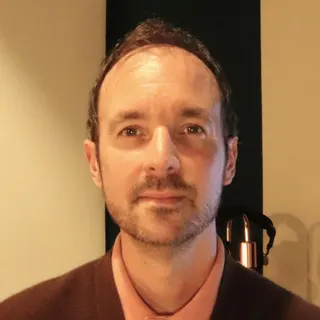
Portrait of Alexander Moretto

Alexander Moretto

Music Specialist

London, United Kingdom

£28.00 per hourDBS checkediAccepting enquiries
MusicMusic TechnologyMusic Theory
  • Over 4 years' of teaching experience.
  • Currently teaching Music Production (Level 2) part-time.
  • Currently a Teaching Assistant and an SEN support worker.
  • Fluent in English, French and Spanish.
  • Works as a DJ on a weekly basis (Signed to a DJ Agency).
  • Releases electronic music on Dance Record labels.
  • Played gigs all around the UK/ Europe - London, Bournemouth (PRIDE Festival), clubs (Ibiza/Amsterdam), and the Ministry of Sound.
  • Music played on BBC Radio Leicester, and BBC Music.

Alexander is a music tutor for learners from 11+ to A-Level, combining professional production experience with clear demonstrations, tailored feedback and practical project work.

Send a quick enquiry from here and the Latimer Tuition team will pass it on to Alexander.
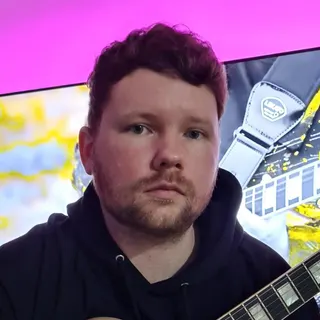
Portrait of Owen Evans

Owen Evans

Music, and Musical Instrument Specialist

Lumsden, United Kingdom

£30.00 per hourDBS checkediAccepting enquiries
GuitarMusicMusic PerformanceMusic Technology+1 more
  • Holds over 8 years' of online teaching experience.
  • Owen holds over 18 Years' experience teaching & in the Music industry.
  • Received over 1 million views & listens on Spotify, Youtube & social media.
  • A professional songwriter in all genres.
  • Over 10 years' experience using Logic Pro-x.
  • Owen has worked with Grammy-winning producers.

Owen Evans is a UK guitar tutor with 18+ years in teaching and the music industry, including 8+ years of online tutoring. He supports ABRSM/Rockschool, GCSE and A-Level Music, plus songwriting and Logic Pro X production with tailored lesson plans.

Send a quick enquiry from here and the Latimer Tuition team will pass it on to Owen.

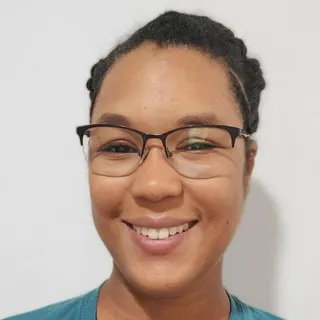
Portrait of Stacy Jarvis

Stacy Jarvis

Music and Russian Specialist

Manchester, United Kingdom

£35.00 per hourDBS checkediAccepting enquiries
MusicMusic PerformanceMusic TheoryPiano+2 more
  • She currently teaches Music at a primary school and provides private Violin lessons to a diverse range of students, including children with SEN.
  • Holds a Masters degree in Musicology from the University of Manchester.
  • Currently studying for her Doctorate of Music at the University of Birmingham, focusing on the conceptualisation of artistic ideas in nocturnes.
  • Holds a Bachelors degree in Violin Performance from the Royal Northern College of Music.
  • Has extensive experience teaching violin and piano to students of all ages, from Year 1 primary students to adult learners.

Stacy Jarvis is a music educator and violinist who teaches Music, Violin, Piano and Music Theory from KS2 to A-Level, with experience supporting children with SEN and adult learners.

Send a quick enquiry from here and the Latimer Tuition team will pass it on to Stacy.

Portrait of Darren Stone

Darren Stone

Music Specialist

Waterlooville, United Kingdom

£40.00 per hourDBS checkediAccepting enquiries
GuitarMusicMusic PerformanceMusic Technology+1 more
  • Over 10 years’ of experience teaching in UK secondary schools, tailoring lessons to each student’s learning style.
  • Professional composer with internationally published work in film, television, games, and advertising.
  • Expert in Music Technology, GCSE Music, A-Level Music, and Level 2 Music Technology.
  • Extensive studio and live performance experience as a guitarist, bridging real-world music with academic learning.
  • Guides students in composition, performance, music theory, and creative production.

Darren Stone is a private tutor and guitar tutor specialising in Music Technology, teaching GCSE and A-Level Music with 10+ years’ UK secondary school experience. Professional composer offering tailored help with composition, theory and performance, plus session reports.

Send a quick enquiry from here and the Latimer Tuition team will pass it on to Darren.

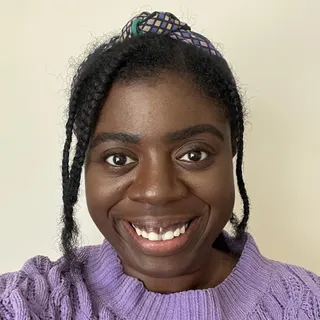
Portrait of Abigail Ajala

Abigail Ajala

Music, and Musical Instrument Specialist

Rushmere St Andrew, United Kingdom

£45.00 per hourDBS checkediAccepting enquiries
GuitarMusicMusic PerformanceMusic Technology+2 more
  • Over 11 years' of Music teaching experience.
  • Holds a Bachelor of Arts in Commercial Music.
  • Has been the vocal coach for the Stagecoach Performing Arts School (Ipswich).
  • Teaches guitar, ukulele, piano (up to intermediate), vocals, and music theory.

Abigail Ajala is a guitar tutor with 11+ years’ teaching experience, BA in Commercial Music, and Stagecoach Performing Arts (Ipswich) vocal coach. She is also a piano tutor (to intermediate) teaching ukulele and music theory for ages 4+, KS1–3, GCSE and A Level; online and Suffolk-based.

Send a quick enquiry from here and the Latimer Tuition team will pass it on to Abigail.

Portrait of David Knight

David Knight

Music Specialist

Chippenham, United Kingdom

£60.00 per hourDBS checkediAccepting enquiries
MusicMusic PerformanceMusic TechnologyMusic Theory+1 more
  • Holds a Degree in Composition from Guildhall School of Music and Drama.
  • Over five years of teaching experience.
  • Currently teaches Composition to A-Level Music students with Trinity Laban Conservatoire of Music and Dance.
  • Holds A*, A for English Literature and Music at A-Level.
  • Holds 6 A*s and 2 As for Music, English (Literature and Language), Mathematics, History, Geography, and Science at GCSE level.

David Knight is a Music and A-Level Composition tutor with a Guildhall composition degree and 5+ years' teaching experience, offering online tutoring and in-person lessons in Wiltshire; also a piano tutor at professional qualification level, with session reports and optional homework.

Send a quick enquiry from here and the Latimer Tuition team will pass it on to David.

Start with the writing you want to do

A useful goal names a piece of work and the difficulty in it. These are possible starting points for lessons, whether you are a younger learner, an adult beginner or someone who already writes songs.

  • A first song

    Start from something small: a line of words, a hummed phrase or a few chords you can play. A manageable first task might be to develop one verse and a contrasting chorus. Keep a rough recording or written version so the idea is not lost.

  • An unfinished draft

    Bring the part that works and the place where you get stuck. Perhaps the second verse repeats the first, or a lyric becomes awkward when sung. Choose that problem as the lesson focus before rewriting the whole song.

  • A project or portfolio

    Describe the intended audience, style and purpose of the songs. If you need to record demos, write with other people or respond to an application brief, include that in the enquiry so you can discuss the relevant experience with a tutor.

Make a lyric specific, then test it aloud

Consider these invented lines about missing someone: “I miss you every evening” and “Your blue mug waits beside the sink.” The first names the feeling directly. The second gives the listener an object and a scene from which to infer it. If a verse feels vague, replacing a general statement with a particular detail gives you another way to express the same subject. Direct language may still be the right choice for your chorus or style.

Try writing a second detail from that same imagined kitchen, such as an untouched chair or a quiet radio. Choose the detail that belongs to the story, rather than adding objects only to make the line descriptive.

Words also need testing against their musical setting. Say “tomorrow” aloud: the natural emphasis is to-MOR-row. In a simple sung version, putting the longest, most prominent note on TO can pull against that spoken pattern. Try keeping the middle syllable prominent instead and compare whether the word comes across as intended. A deliberate unusual emphasis is another choice; the useful skill is hearing the difference and deciding why to keep it.

Develop a melody without changing everything

A motif is a short musical idea that you can repeat or vary. Here is a constructed note pattern: C–D–E, C–D–E. Compare it with C–D–E, E–D–C, using the same rhythm and the same three pitches in both. The first repeats an upward shape; the second changes the answer into a downward shape. That is a specific change you can hear and discuss.

C, D and E are three neighbouring white-note names on a keyboard, in ascending order. Play each note for one steady beat with a brief pause between the groups. If note names are new, have the pattern played for you and hum it back in a comfortable range. Record both versions, then decide which shape suits your phrase. Neither pattern is automatically the better melody.

Once you have chosen a shape, try a different note length or a pause as a separate experiment. You can also explore the chords underneath: changing the harmony can change how the same melody note sounds in context. Keep the melody fixed while comparing accompaniments so you can hear what the chords contribute.

Give each song section a job

In many verse–chorus songs, verses develop the story while the chorus returns to a central idea with similar words and music. Use the imagined kitchen scene to try this simple outline. This is one possible popular-song structure, not a template every song needs to follow.

First verse: establish the scene
The mug is still beside the sink after the other person has left. Give the listener a concrete moment rather than explaining the whole relationship at once.
Chorus: return to the central thought
An invented refrain, “Still saving you a place”, names the feeling that the song keeps returning to. Test how the musical phrase brings attention to those words.
Second verse: move the story on
If it only describes the same mug again, little has changed. Try the narrator reaching to put it away, then leaving it where it is. The action adds a decision, so the returning refrain has more context.

Use each draft to choose the next task

A song can take several drafts. A useful practice plan leaves you with a small writing task and a way to compare the result. For example, work on the second verse from the outline above before changing the chorus as well.

  1. Keep the starting version

    Save the lyric and a rough voice note. Write down what you want to change: for example, “The second verse needs to show a new decision.” A polished recording is not needed for this comparison.

  2. Make one deliberate revision

    Write an alternative second verse in which the narrator does something. Sing or speak it with the existing music. Keep both versions so you can compare the new action and how the words fit.

  3. Listen again and explain your choice

    Return after a break. Can a listener follow what changed? Which lines sing naturally, and which still feel crowded? Use feedback to choose what to keep and agree the next task; you do not have to accept every creative suggestion.

Choose a tutor who can discuss your writing choices

Latimer tutors offer a free introductory meeting to discuss goals and arrangements before paid lessons. Use it to explain the music you want to make and hear how the tutor would approach your starting point. A useful discussion should leave you clearer about what you would work on, not simply reassured by a list of performance credits.

  • Discuss the styles you listen to and whether you want lyric, melody, harmony or production help. Ask about experience teaching that work.
  • Ask how feedback will help you make your own writing decisions, including when the tutor would demonstrate an alternative and when you would try one yourself.
  • Describe what helps you learn: hearing an example, seeing words marked up, using a keyboard or having a short written task. If you are choosing for a child, discuss age-appropriate material and how the tasks will be explained.
  • For an assessed project or portfolio, share the exact brief and deadline. Check that the tutor can support that particular task and the required level.

Prepare for an online songwriting lesson

Latimer is built around online one-to-one tuition. Microsoft Teams is the default meeting platform, and you and the tutor can agree another option. Before the first lesson, agree how you will share a lyric sheet and play back a short recording. Check that the tutor can hear both your voice and any instrument or audio you plan to use.

Start with the tools you already use to capture ideas. A notebook and voice notes may be enough for an initial writing task; a recording or production goal may need a different setup. Agree that setup before buying equipment or software. If you need to install anything on a school-managed device, check its installation restrictions first. Share only the files needed for the song, keeping passwords and private account details out of shared work.

In-person lessons depend on an individual arrangement with the tutor. Include your location if that matters to your choice.

Support and clarity

Frequently asked questions

Straight answers to the questions people ask most often.

Can I start if I do not play an instrument or read music?

You can begin a writing task with your voice, words or a simple recording of an idea. Tell the tutor what you can already do so the first activity fits that starting point. For example, you might speak a lyric rhythm and hum a short answer before working with note names. Instrument skills and musical knowledge can become useful as the songs develop.

Can lessons focus just on lyrics?

Yes, lyrics can be the main writing focus; songwriters can also collaborate with someone who writes the music. Explain that goal when enquiring and check the tutor’s approach. You might work on imagery, point of view and how a line sounds when spoken or sung. Agree separately if you want help composing the music as well.

Is songwriting tuition the same as music production tuition?

The goals can overlap, but they call for different work. In songwriting, you might be deciding what the chorus says, how its melody moves or which chords support it. If your main concern is recording, arranging or producing a demo, state that explicitly and name any software you use. Check that the tutor can cover the parts of the project you need.

Can I get help with a school composition or course portfolio?

Make the exact task part of your enquiry: include the qualification or course, awarding body or provider, current brief and deadline. The teaching plan should follow that task and any rules about outside help. For a named school course, the GCSE Music, A-level Music and A-level Music Technology pages offer more specific starting points.

How often should I have songwriting lessons?

Agree a schedule that leaves time to try the writing task between meetings. A short experiment, such as rewriting one verse or comparing two melody shapes, is easier to review than a vague instruction to finish a song. Revisit the schedule when the task or deadline changes. There is no single number of lessons that establishes when every learner will complete a song.

How much do songwriting lessons cost?

Each tutor sets their own hourly rate, shown on their profile. Check that rate and agree the lesson length when discussing your plans. Latimer uses pay-as-you-go billing. There is no fee to submit a tutor-matching request. The how it works guide explains the wider process; discuss any project-specific preparation or recording work with the tutor before booking.

Further information

Useful links and resources

Related tutor pages

Explore related tuition options and guidance for choosing the right support.