One-to-one Spanish tuition

Spanish tutors for school, exams and everyday conversation

Start with the Spanish you want to use: answering in class, explaining an opinion in an exam or holding a conversation on holiday. Find one-to-one online tuition around your starting point and goals.

  • One-to-one tuition
  • Pay as you go
  • Direct tutor contact
A learner who understands spoken Spanish but struggles to write needs different help from a beginner learning their first phrases. Tell us what you can already do, where you get stuck and what you are working towards. For school tuition, include the course and exam board if you know them.

The form controls become available when the enquiry form has loaded.

Spanish tuition enquiry

Tell us what you know, skip anything you’re unsure about, and add a short description if you skip both subject and level.

  1. Tutoring brief
  2. Contact details

2 questions remaining

Tutoring brief

What level is the tuition for?

Choose a level

Choose a suggestion or type your own answer. You can skip this if you’re unsure.

This form works best for one learner at one level and up to six subjects. If your circumstances are more complicated, email us at Contact@LatimerTuition.com so you can explain everything properly.

How one-to-one tuition can help

  • Make sense of verb forms and agreement, then use them in your own sentences.
  • Practise listening and responding when a conversation moves beyond a rehearsed answer.
  • Develop writing and speaking around your school course, exam or everyday goal.

Available tutors

Compare Spanish tutors

6 tutor profiles selected

Look for experience with your school course or adult learning goal, and a teaching approach you feel comfortable with. Use the introductory meeting to discuss what you would like to work on.

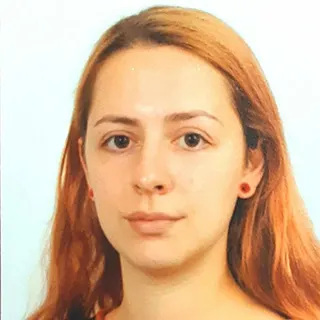
Portrait of Martina Mincheva

Martina Mincheva

English and Spanish Specialist

Berkshire, United Kingdom

£30.00 per hourDBS checkediAccepting enquiries
English LanguageEnglish LiteratureSpanish
  • Holds over 9 years’ of teaching experience.
  • Holds a Bachelor of Arts in Spanish and English Literature from the University of Reading.
  • Currently teaching English Language and English Literature to KS3 and GCSE students, and Spanish to KS3, GCSE, AS-Level, A-Level, and BA students.
  • Holds A* for English Literature at A-Level.
  • Holds A*, A for Spanish and English Literature at GCSE level.

Martina Mincheva is a GCSE English tutor and Spanish tutor with 9+ years’ experience and a BA in Spanish & English Literature (University of Reading). Offers online tutoring and in-person lessons, with session reports and optional homework.

Send a quick enquiry from here and the Latimer Tuition team will pass it on to Martina.

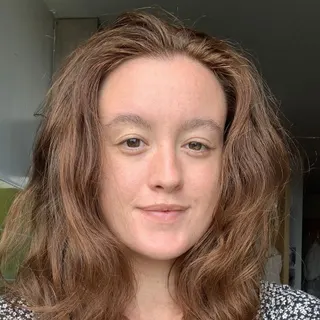
Portrait of Ana Ramirez Centeno

Ana Ramirez Centeno

Qualified Spanish & TEFL Teacher

London, United Kingdom

£28.00 per hourDBS checkediAccepting enquiriesQualified teacher
SpanishTEFL: Teaching English as a Foreign Language
  • Currently teaching Spanish to KS3, GCSE, and A-Level students in UK Secondary Schools.
  • Experience with SEN students, providing both 1-1, and in-class Spanish teaching.
  • Works with private students on a One-2-One basis at all Spanish levels.
  • Ana nurtured students struggling to learn a foreign language and tailored teaching to enhance competency.

Ana is a qualified Spanish teacher with a PGCE in Modern Foreign Languages, supporting learners from KS1 to KS5 and adults through tailored, creative teaching.

Send a quick enquiry from here and the Latimer Tuition team will pass it on to Ana.

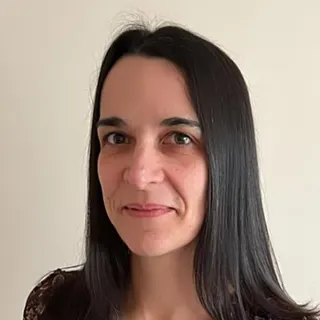
Portrait of Darcy Ind

Darcy Ind

French and Spanish Specialist

Bucknell, United Kingdom

£30.00 per hourDBS checkediAccepting enquiries
FrenchSpanishTEFL: Teaching English as a Foreign Language
  • Holds a Bachelor of Arts in Modern Languages (French, Spanish and German) from the University of Sheffield.
  • Holds over 4 years' of online tutoring experience both online, and in the classroom.
  • Darcy designs all her lesson plans from scratch to suit the individual's needs and learning goals.
  • Offers tutoring to KS2/3, GCSE, and AS/A-Level cohorts.

Darcy Ind is a French tutor and Spanish tutor with a BA in Modern Languages (University of Sheffield) and 4 years’ experience; she offers online tutoring for KS2–3, GCSE and AS/A-Level with tailored lesson plans and session reports.

Send a quick enquiry from here and the Latimer Tuition team will pass it on to Darcy.

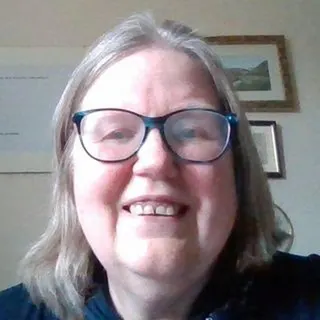
Portrait of Georgia Wager

Georgia Wager

English, Humanities, and Language Specialist

Norfolk, United Kingdom

£35.00 per hourDBS checkediAccepting enquiries
11+ (general)English LanguageEnglish LiteratureGerman+3 more
  • Georgia has over 4 years' of experience teaching students in 11+, KS2/3, GCSE, and AS/A-Level cohorts.
  • Holds a Teaching English as a Foreign Language (TEFL) qualification.
  • Holds a Bachelor of Arts in European Studies from the University of Kent.
  • Holds A-Levels in German, Business Studies, and History.
  • Holds 15 A*-C grades at GCSE level.

Georgia supports learners in English Language and English Literature from KS2 to GCSE, using personalised lessons, multimedia resources and confidence-building approaches to challenging questions.

Send a quick enquiry from here and the Latimer Tuition team will pass it on to Georgia.

Portrait of Lucia Wood-Bonelli

Lucia Wood-Bonelli

Qualified French and Spanish Teacher

Sheffield

£35.00 per hourDBS checkediAccepting enquiriesQualified teacher
FrenchSpanish
  • Lucia is an approved examiner for Edexcel Spanish GCSE.
  • Holds a PGCE in Modern Foreign Languages with QTS from Sheffield Hallam University.
  • Holds a 2:1 in Modern Languages and Translation from the University of Leicester.
  • Holds over 1 year of online private tutoring experience.
  • Holds 3 A-Levels, and 12 GCSEs.

Lucia is a qualified Spanish teacher for GCSE and A-Level learners, and an approved Edexcel Spanish GCSE examiner with three years of teaching experience.

Send a quick enquiry from here and the Latimer Tuition team will pass it on to Lucia.

Portrait of Silvia Vescu

Silvia Vescu

Qualified Humanities & Business Teacher

Montrose, United Kingdom

£45.00 per hourDBS checkediAccepting enquiriesQualified teacher
Business StudiesCitizenshipEconomicsEnglish Language+13 more
  • Holds a PGCE from University College London.
  • Holds an LLB (Hons) in Law, 2:1, from King's College London, and is a qualified lawyer.
  • Currently teaches A-Level and GCSE Economics and Business, alongside Sociology, Politics, Law, English Language and English Literature.
  • Has delivered hundreds of one-to-one online lessons and uses a Socratic approach, tailored to each exam board and specification.

Silvia Vescu is an economics tutor and law tutor for GCSE/A-Level, PGCE-trained at UCL with an LLB from King’s. She offers online tutoring with Socratic, exam-board tailored 1:1 lessons plus session reports.

Send a quick enquiry from here and the Latimer Tuition team will pass it on to Silvia.

Start with the Spanish you need

Choose a starting point below. These are possible lesson priorities to discuss with a tutor, rather than a fixed programme that every learner follows.

Beginners and returning learners
Build useful phrases alongside their sounds and sentence patterns. A first goal might be introducing yourself, understanding a simple question and giving an answer without reading it. Returning learners can check what they remember before revisiting whole topics.
School learners building foundations
Bring the vocabulary, classwork and teacher feedback you are using at school. Separate difficulties with remembering words from difficulties putting them into sentences, spelling them or recognising them in speech.
GCSE and other school qualifications
Use the exact course, board and exam year to choose listening, speaking, reading and writing practice. A pupil may need to apply familiar language to an unexpected question, rather than learn a longer script.
A-level and advanced study
Work on sustained discussion, careful translation and reasoned writing. Match the tutor to your board and the books, film or research topic you are studying, as well as your Spanish level.
Adults, travel and family conversation
Build lessons around a situation you want to handle, such as ordering food, following a conversation with relatives or explaining your work. If you already speak Spanish at home, discuss whether reading, spelling or more formal writing should take priority.

Understand a correction, then use it again

Consider this short teaching example. A learner writes “Me gusta los libros”, intending to say “I like books”. Simply crossing out gusta does not explain how to build the next sentence.

With gustar, think of the thing being liked as pleasing the person. “Me gusta el libro” means “I like the book”: one book takes gusta. “Me gustan los libros” means “I like the books”: the plural los libros takes gustan. The word me stays the same because the person expressing the preference has not changed. The RAE explanation of gustar sets out this agreement pattern.

Now try a new preference: las películas means “films”. “Me gustan las películas” means “I like films”. The useful check is whether the learner can choose gustan and explain why, rather than repeat the corrected book sentence from memory. A tutor can then use the same pattern in a spoken question and response.

Practise the reply as well as the phrase

Knowing what to say is only part of a conversation. An adult preparing for travel might learn “Un café, por favor” (“A coffee, please”), then lose the thread when the other person asks “¿Con leche?” (“With milk?”).

A short practice exchange could continue with “Sí, con leche, por favor” (“Yes, with milk, please”) or “No, sin leche, gracias” (“No, without milk, thank you”). The learner listens for the choice and gives the reply that matches what they want. If the question is unclear, “¿Puede repetirlo, por favor?” means “Can you repeat that, please?”. Asking for repetition is a useful part of beginner interaction; it gives the conversation a way to continue.

For a follow-up, swap café for (“tea”) and change the answer to the milk question. A tutor can say the question first, show it in writing if needed, and then try again without the text. Progress here means understanding and responding to the changed exchange, not merely delivering the opening phrase faster. These are constructed practice examples, not a promised lesson script.

Prepare for the course you are actually taking

For GCSE Spanish in England, use resources for your board and exam year. AQA 8692 and Pearson Edexcel’s GCSE first taught in 2024 both assess listening, speaking, reading and writing, including dictation. Their speaking tasks differ: AQA combines a role-play, reading aloud with a short unprepared conversation, and a photo-card discussion with further unprepared conversation; Pearson uses reading aloud, a role play and a picture task with conversation. Practising the correct format matters alongside knowing the language.

One useful school-level exercise is to connect a time word with its verb. “Hoy voy al cine” means “Today I am going to the cinema”. To describe yesterday’s completed trip, use “Ayer fui al cine” (“Yesterday I went to the cinema”). Replacing hoy (“today”) with ayer (“yesterday”) while keeping voy leaves the verb in the present; fui gives the intended completed past meaning here. Both forms come from ir, “to go”.

That is a constructed language example, not a full exam answer. The next task could be answering a past-event question aloud, then writing the same meaning accurately. For listening or dictation, compare what the learner heard with the transcript to establish whether the difficulty was the word’s meaning, its sound or its spelling.

Courses elsewhere in the UK and international qualifications need their own specification. Send the qualification name and board with your enquiry so preparation can follow the right requirements.

For the International Baccalaureate, explore IB Spanish tutors and specify your course and level when enquiring.

At A-level, develop an argument in Spanish

AQA A-level Spanish 7692 provides one example of the step beyond GCSE. Its writing paper covers two prescribed literary texts, or a prescribed text and film, while the speaking assessment includes an individual research project. These are AQA requirements; another course should be checked against its own specification.

For a text or film essay, take a claim about a character or theme and test it against a particular passage or scene. Identify the relevant word, action or visual detail, then explain how it supports your interpretation. This gives a paragraph a reason for including the evidence, rather than turning it into a list of events. Bring your set text or film title and teacher feedback when discussing tutor fit.

For the research project, AQA expects students to select information from Spanish sources. For independent practice, explain one source’s main point in your own Spanish, distinguish the source’s view from your own and consider a question your findings raise. Discuss a manageable focus and general research methods with your tutor, while following AQA’s limits on feedback on project preparation.

Turn a starting point into a useful lesson plan

Use the introductory meeting to compare how a tutor would approach your particular difficulty. Agree priorities for the first paid lessons and decide what you will look at together when reviewing progress.

  1. Bring a small, honest sample

    For schoolwork, share a recent paragraph, marked question or class topic. For conversation, explain a situation in which you run out of Spanish. Include what already feels comfortable, so the starting point reflects your strengths as well as the gaps.

  2. Choose a manageable focus

    A lesson might connect the sounds and spelling of a few useful words, practise the gusta/gustan pattern, or develop one exam paragraph. Say whether you need more thinking time, a written version of spoken instructions or smaller steps before a longer task.

  3. Agree practice you can actually do

    For example, make two new preference sentences and say them aloud on different days. If you are preparing for an exam, use the board’s vocabulary, sample tasks and transcripts. Agree how feedback on the practice will be handled with your tutor.

  4. Check a fresh attempt

    Try a different noun, a changed question or a short passage you have not rehearsed. Compare the new attempt with the first sample: can you choose the verb, understand the question or explain your point more independently? Use that evidence to decide what comes next.

Arrange lessons around the learner

Latimer offers online one-to-one tuition. Matching requests are free, and the free introductory meeting is a chance to discuss your goals, the teaching approach and practical arrangements.

  • Check teaching experience for your goal

    For a child, discuss experience with their age and school course. For exam preparation, name the board and relevant set works. For adult conversation, describe the situations you want to practise and the balance of explanation and speaking you prefer.

  • Prepare for spoken work online

    Microsoft Teams is the default lesson platform; another platform can be agreed. Check that you can hear and be heard clearly, and have your class materials or chosen practice text ready. Agree how the tutor will share short audio, written corrections or other lesson materials.

  • Agree the practical details

    Discuss lesson length, timing and the amount of independent work you can manage. Each tutor sets their own rate. Latimer invoices after lessons on a pay-as-you-go basis, so you can plan around the cost of the agreed lessons.

Tell us what you want to do in Spanish

Share your starting point, school course or personal goal, preferred lesson times and budget. If one task is causing difficulty, describe it in your enquiry so it can help guide the match.

Support and clarity

Frequently asked questions

Straight answers to the questions people ask most often.

Can I start Spanish lessons with no previous knowledge?

Yes. You can set an initial goal such as introducing yourself and answering a simple question. Tell the tutor that you are a complete beginner so explanations, listening tasks and reading material start at an accessible point. If you remember some school Spanish, share what you can still understand or say.

How much does a Spanish tutor cost?

Each tutor sets their own hourly rate, which is shown on their profile. Compare that with their experience of your goal and ask about lesson length, preparation and any agreed feedback between lessons. There is no single Spanish tuition price; your budget and preferred schedule can be included in a free matching request.

Can I find a Spanish tutor near me for in-person lessons?

Latimer is online-first. In-person lessons require an individual arrangement with a tutor where location and availability allow. If meeting in person is essential, include your area and that preference in your enquiry so the arrangement can be checked before you book.

How often should I have lessons, and when will I be fluent?

Agree a schedule that fits your goal, budget and time for practice. A regular lesson with manageable practice between sessions is one possible starting point, rather than a fixed rule. Set a useful target such as following a short conversation or answering a particular type of exam question; review that progress before making a longer-term plan. No set number of lessons guarantees fluency.

Should I choose a tutor who speaks Spanish from Spain or Latin America?

If your goal involves a particular country, workplace or family context, tell the tutor. Ask about the language and listening materials they would use for that setting. For schoolwork, keep the course requirements central. A native-speaker label alone does not show how someone will explain a difficult point or adapt a lesson to you; discuss those teaching skills as well.

What if I understand Spanish but feel nervous speaking it?

Ask to begin with a short exchange and enough time to form a reply. You could rehearse the opening, practise a changed follow-up question and agree which corrections to focus on. If understanding is stronger than speaking, the tutor can use a short speaking sample to help choose a starting point, instead of assuming every skill needs beginner work.

Related tutor pages

Explore related tuition options and guidance for choosing the right support.